Scissors Before Soundbites: How Celebrity Style Overhauls Are the Real First Press Release
Photo: Lisa Sonia (Li), CC0, via Wikimedia Commons
Before the album announcement, before the magazine cover interview, before the cryptic Instagram post that sends fan accounts into a collective spiral — there's the hair chop. The wardrobe pivot. The sudden, seemingly out-of-nowhere embrace of a completely different aesthetic. Celebrity style transformations aren't accidents. They're opening statements. And the stylists, creative directors, and image architects behind them are some of the most strategically brilliant — and underrated — people working in entertainment today.
If you want to know what a celebrity is about to do next, stop reading the trades. Start watching their closet.
The Look Is the Leak
There's a well-worn formula in Hollywood that most casual fans never quite clock: the visual rebrand always drops first. It's the industry's version of a soft launch. A star shows up somewhere — a low-key dinner, an airport, a friend's Instagram story — looking unmistakably different. The hair is gone, or it's suddenly there. The tailored suits have been swapped for something rawer, more vulnerable. The jewelry got louder, or it disappeared entirely. And the internet, right on cue, starts asking questions.
That's not a coincidence. That's choreography.
"The look is often the first piece of the campaign," one veteran celebrity stylist — who asked not to be named, because of course they did — told a fashion trade outlet last year. "By the time a client walks out of my studio in something that feels like a departure, we've already had the conversation about what's coming next. The clothes are just the trailer."
Think about Miley Cyrus trading her Disney-era ringlets for a platinum pixie cut in 2012. That wasn't a bad day at the salon. It was the opening act of Bangerz, of a complete identity overhaul that she'd been building toward for months. Or Billie Eilish stepping out of her signature oversized streetwear into a corseted, old-Hollywood silhouette for Happier Than Ever — a visual pivot so deliberate it practically came with liner notes. The aesthetic shift told you everything about the sonic shift before a single track dropped.
More recently, Doja Cat's gradual transformation into something approaching avant-garde performance art — shaved head, dramatic makeup, increasingly theatrical red carpet appearances — preceded Scarlet and signaled a hard break from the more accessible pop persona she'd been known for. The look said: I'm not doing that anymore. The album just confirmed it.
The Stylist as Strategist
The architects of these transformations rarely get their names in the headline, but they absolutely deserve a seat at the table. Stylists like Law Roach — who built Zendaya's entire visual evolution from Disney kid to fashion-world darling, culminating in the jaw-dropping Challengers press tour — operate less like wardrobe consultants and more like brand managers with a fabric swatch in hand.
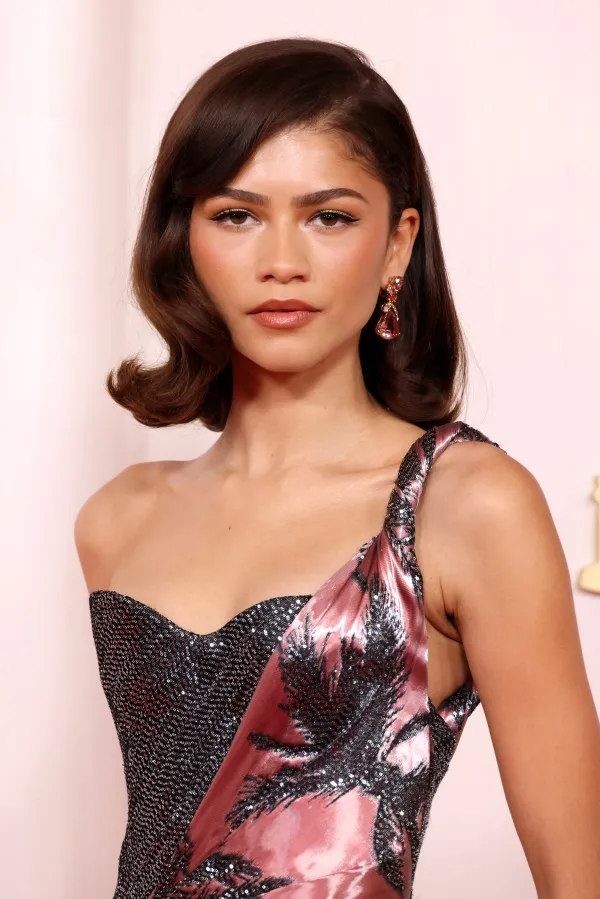 Photo: Zendaya, via goldenglobes.com
Law Roach himself has spoken openly about the intentionality behind his work. "Everything is a conversation," he told Vogue. "We talk about where she's going, what she wants people to feel, what story we're telling." The Challengers press tour wasn't just a series of great outfits. It was a thesis statement about Zendaya's arrival as a full-blown movie star — each look calibrated to a different facet of the film's themes, escalating in drama and confidence as the press cycle built momentum.
That's not styling. That's storytelling with seams.
The Haircut Heard 'Round the World
Few style moments carry the symbolic weight of the dramatic hair change. It's the most universally legible shorthand for transformation — culturally, psychologically, visually. And celebrities know it.
Britney Spears shaving her head in 2007 was a genuine cry for help, not a calculated rebrand — and it's important to distinguish those moments from the strategic ones. But the industry absorbed that image so completely that the hair chop became permanently coded as radical self-reinvention, for better or worse. Every celebrity who's picked up the clippers since has been working in that shadow, whether they intended to or not.
The calculated version looks different. It's Taylor Swift quietly debuting a blunt bob and dark lipstick before Reputation dropped — a visual shedding of the girl-next-door sweetness that defined her earlier era. It's Katy Perry going platinum pixie after her divorce from Russell Brand, signaling a reset that would eventually feed into Witness. It's Ariana Grande pulling her hair into the now-iconic high ponytail as her sound got bigger and her personal life got messier — the ponytail becoming armor as much as aesthetic.
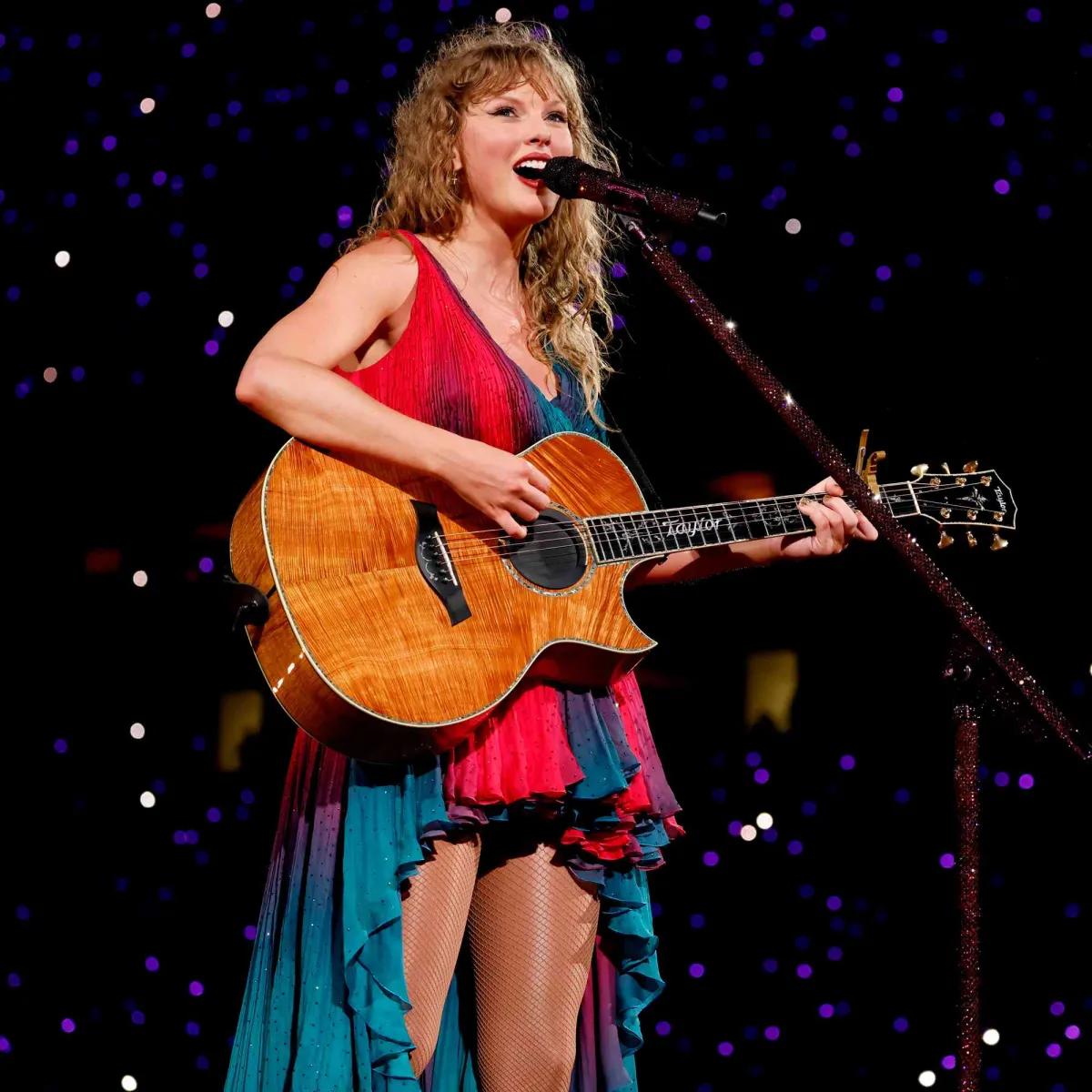 Photo: Taylor Swift, via people.com
In each case, the hair said something before the music did. Fans just had to know how to read it.
What the Wardrobe Is Actually Saying
Beyond the hair, there's the broader wardrobe language — the shift in silhouette, color palette, designer allegiance, and overall vibe that signals a new chapter. And this is where things get genuinely sophisticated.
When Beyoncé moved from the sparkly leotards of her solo pop era into the denim and cowboy hats of Act II, she wasn't just changing clothes. She was planting a flag. Every paparazzi shot, every concert look, every album cover was building a visual world before the music arrived to inhabit it. By the time Cowboy Carter dropped, the aesthetic groundwork had been laid so thoroughly that the album felt like the natural conclusion of a journey the audience had already started.
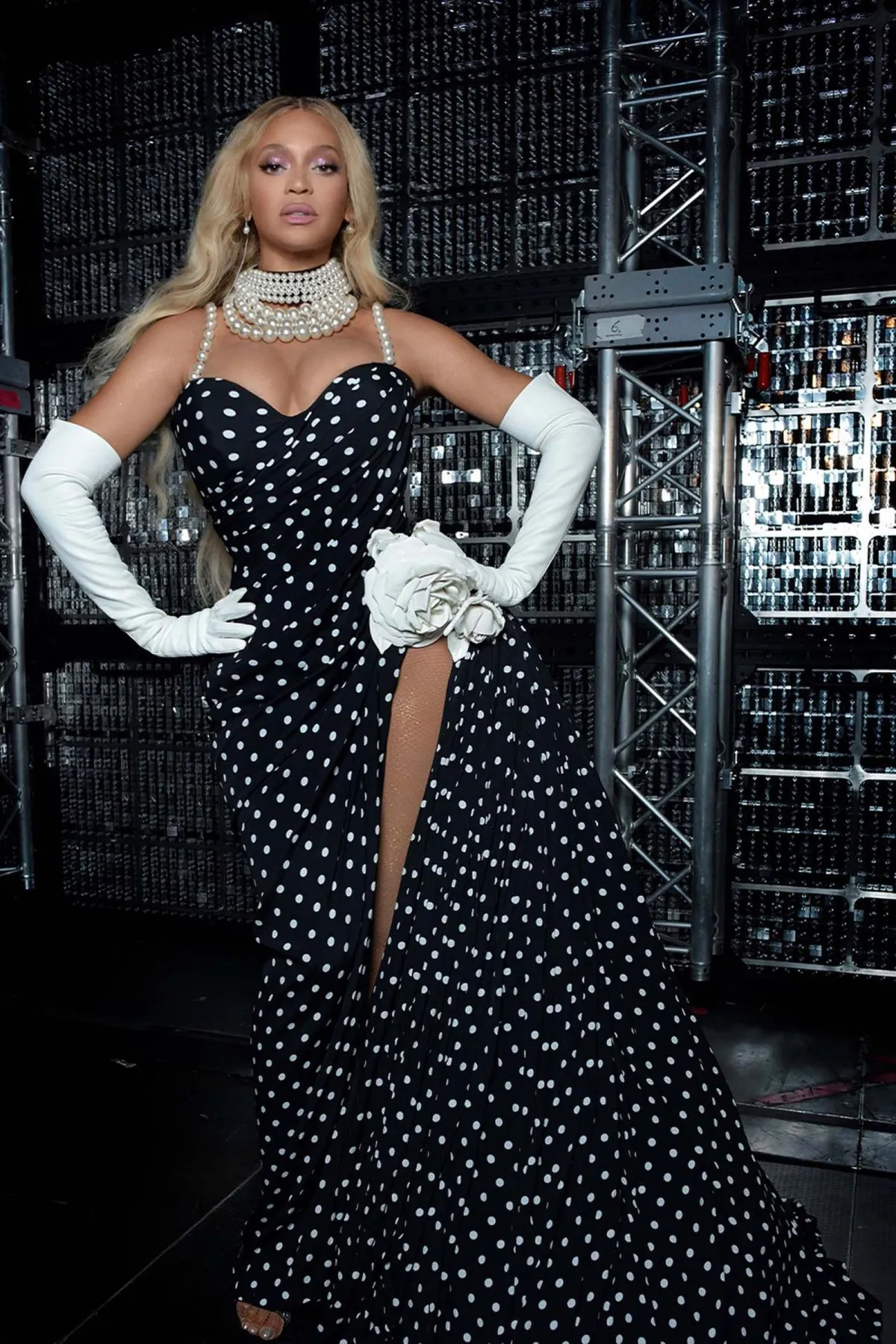 Photo: Beyoncé, via assets.vogue.com
Similarly, when Harry Styles began appearing in Gucci suits, feather boas, and painted nails around the time of his debut solo album, it wasn't random self-expression — or at least, it wasn't only that. It was a deliberate signal that he was operating in a different register than his One Direction days. The fashion became the permission structure for everything that followed: the genre-blending music, the boundary-pushing interviews, the cultural conversation about masculinity and performance.
The Danger Zone: When the Rebrand Misfires
Of course, not every style transformation lands. For every Zendaya press-tour triumph, there's a pivot that confuses more than it communicates — a look that reads as costume rather than conviction, or a departure so jarring it alienates the existing fanbase without attracting a new one.
The difference, industry insiders suggest, is authenticity of intent. Style transformations work when they're genuinely connected to an internal shift — when the artist has actually changed and the clothes are just catching up. They misfire when they're purely tactical, when the new look is a marketing decision that the person wearing it hasn't quite grown into yet. Audiences are remarkably good at sensing the difference, even if they can't always articulate why.
"You can feel when someone is wearing a character versus wearing themselves," one fashion editor put it bluntly. "The best transformations feel inevitable in retrospect. The worst ones feel like a mood board that nobody lived in."
The Secret Language, Decoded
So the next time a celebrity you follow shows up somewhere looking radically different — new hair, new energy, new everything — resist the urge to chalk it up to a whim or a breakup spiral. Look at the timing. Check what's coming. Ask yourself what the look is trying to tell you before the publicist gets the chance.
Because in Hollywood, the scissors almost always come before the soundbites. And if you know how to read the room — or in this case, the runway — you'll always be one step ahead of the official announcement.
The costume, as it turns out, is always the first confession.