Dialect Disasters: The Most Legendarily Bad Accents in Hollywood History, Ranked and Roasted
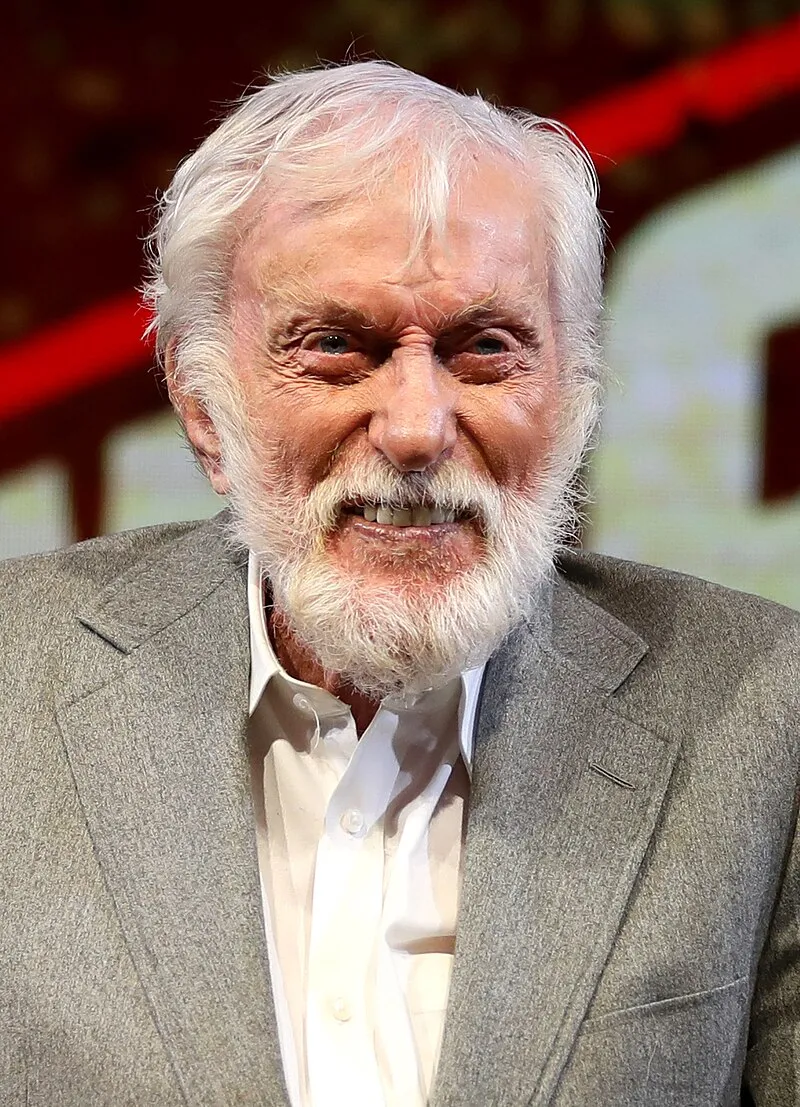
Photo of Dick Van Dyke, via Wikimedia Commons
Every few years, a performance lands in theaters and immediately enters a very specific hall of fame — not for its emotional depth or technical brilliance, but for the accent. The accent that sounds like three different countries collided in a tunnel. The accent that dialect coaches have reportedly watched through their fingers like a horror film. The accent that the actor themselves has publicly apologized for in interviews, sometimes unprompted, sometimes years later, always with the haunted expression of someone who has genuinely processed the event in therapy.
Hollywood's relationship with dialect work is long, complicated, and frequently hilarious. Let's get into it.
Why This Keeps Happening
Before we roast anyone specifically, it's worth understanding the structural reasons these disasters occur — because it's almost never just one person's fault.
Dialect coaches exist. They are trained professionals who spend years studying phonetics, regional speech patterns, and the mechanics of how sounds are produced. Many of them are exceptional at their jobs. The issue is how they're deployed — or, more accurately, how they're not.
"The mistake studios make is treating dialect work as a finishing touch rather than a foundation," said Erik Singer, a dialect coach who has worked extensively in film and television and whose video breakdowns of celebrity accents have earned him a significant following online. In various interviews and public analyses, Singer has noted that actors are frequently given inadequate preparation time, insufficient coaching sessions, and then placed on set under enormous pressure to deliver emotionally complex performances while simultaneously maintaining a phonetic system they've had weeks — sometimes days — to internalize.
Add to that the star power equation: studios cast names, not specialists. A movie with a $150 million budget and a globally recognizable lead actor is not going to recast that actor because their Irish accent is unconvincing. They're going to shoot the movie, hope the performance carries it, and quietly pray that audiences are too engaged with the plot to notice that the County Cork native sounds occasionally Australian.
They always notice.
The Hall of Infamy
Dick Van Dyke in Mary Poppins (1964)
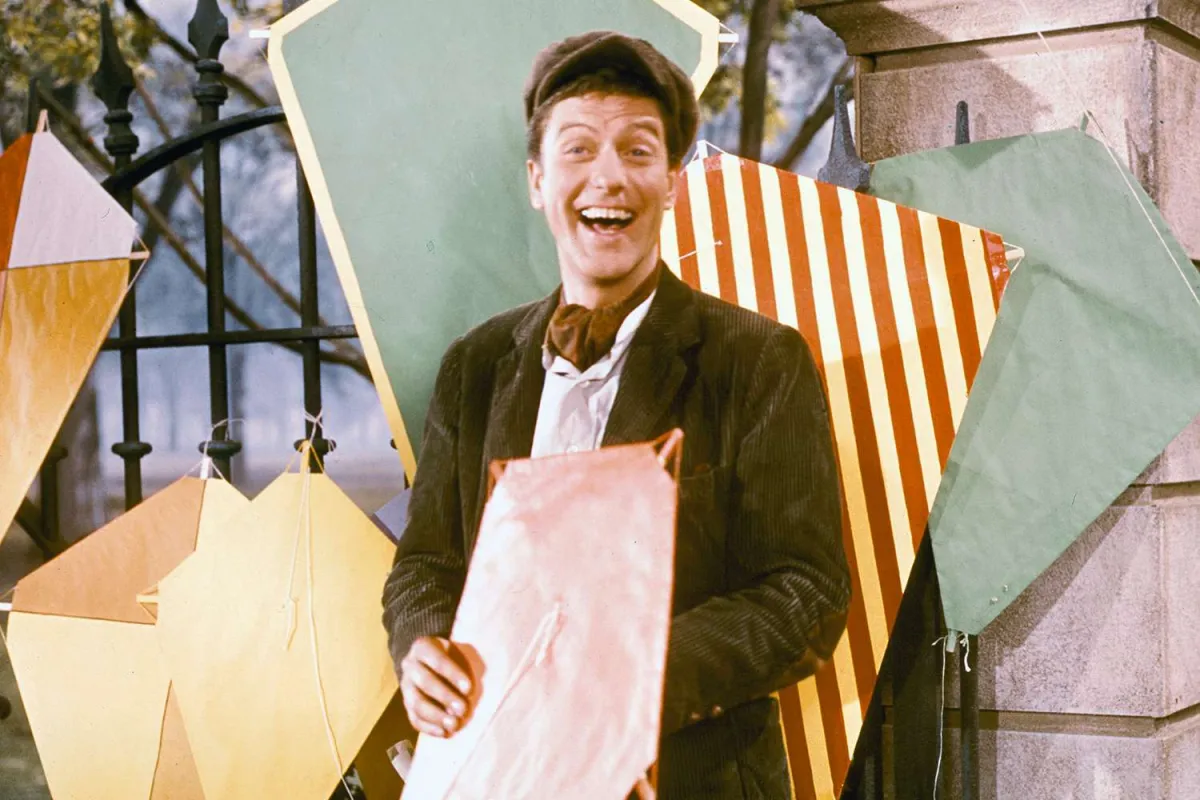 Photo: Dick Van Dyke, via people.com
No list of Hollywood accent disasters is complete — or even legally valid — without acknowledging the gold standard. Dick Van Dyke's Cockney accent in Mary Poppins is so thoroughly, magnificently wrong that it has achieved a kind of immortality. It doesn't sound like London. It doesn't particularly sound like England. It sounds like a very enthusiastic American man doing his best impression of what he imagined a Cockney accent might sound like after hearing a brief description of one.
To Van Dyke's eternal credit, he has owned this completely. "I watched it again recently and even I couldn't believe how bad it was," he told the BBC in 2017, laughing. He also revealed that he had hired a British dialect coach for the film — a man who turned out to be Irish. Which, in retrospect, explains quite a lot.
The accent is so famous that it has functionally become its own cultural artifact. Linguistics professors reference it. It has been described in academic papers. It is, in its own chaotic way, perfect.
Keanu Reeves in Bram Stoker's Dracula (1992)
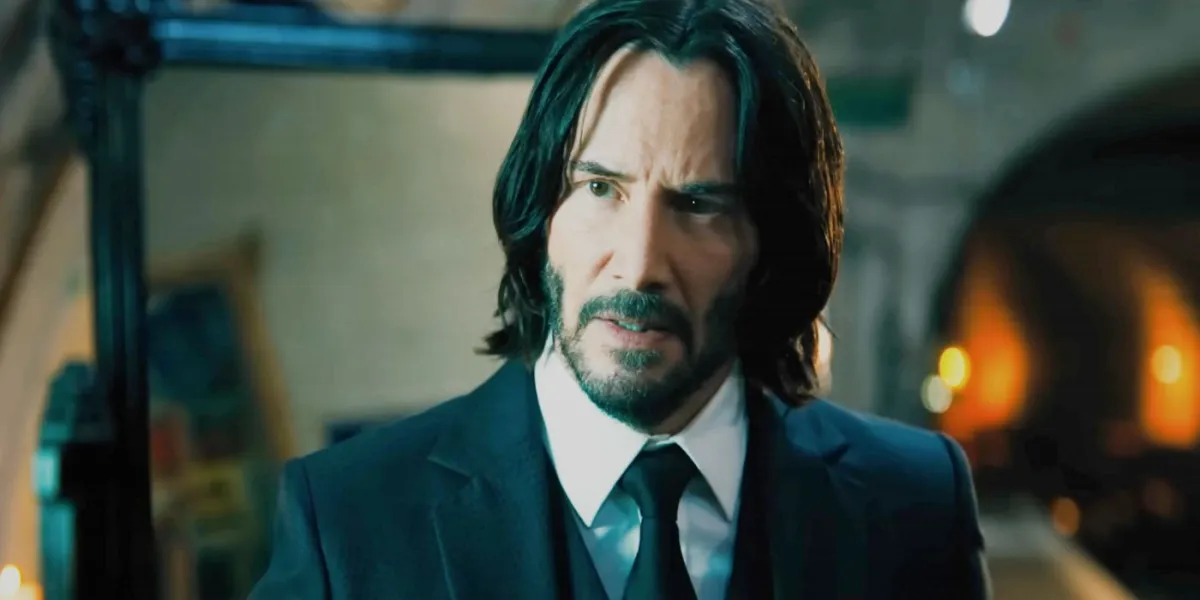 Photo: Keanu Reeves, via static1.srcdn.com
Keanu Reeves is a genuinely compelling screen presence who has delivered legitimately great performances. His turn as Jonathan Harker in Francis Ford Coppola's visually sumptuous Bram Stoker's Dracula is not among them — at least not in the dialect department. His attempt at a 19th-century English accent wanders through multiple counties without committing to any of them, occasionally landing somewhere in the mid-Atlantic and occasionally sounding like Ted from Bill & Ted's Excellent Adventure wearing a cravat.
Coppola himself has acknowledged in interviews that the casting was a compromise driven by studio pressure, and Reeves has been characteristically gracious about the criticism over the years. The performance remains a fascinating document of what happens when an actor's natural charisma and a phonetic system they haven't fully mastered are asked to carry a scene together.
Sean Connery in Literally Everything
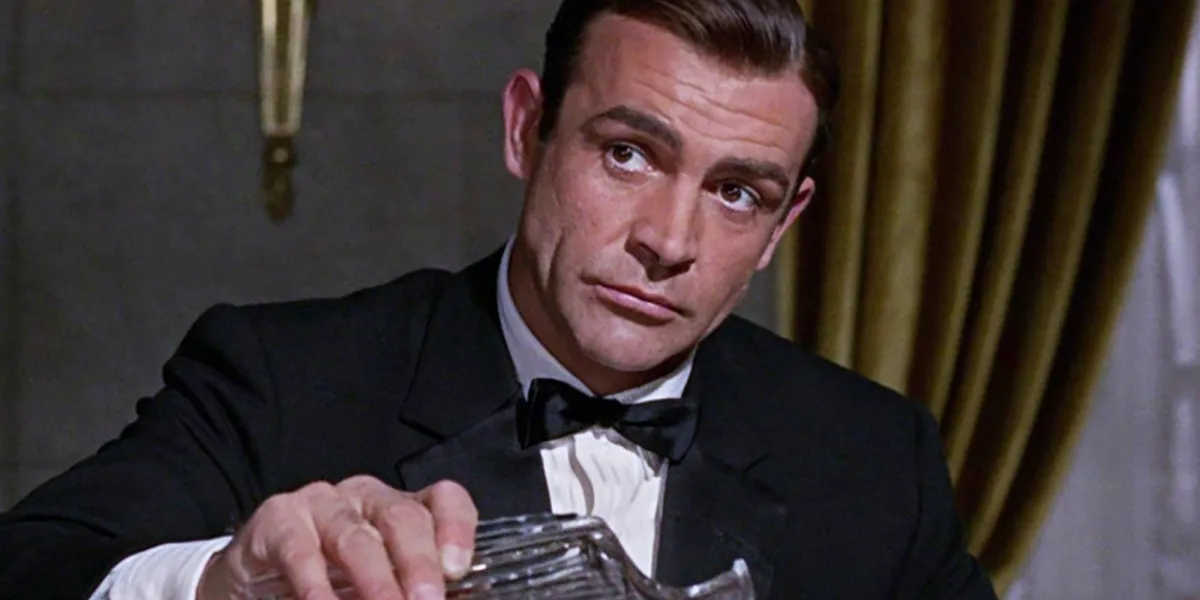 Photo: Sean Connery, via static1.srcdn.com
This one requires a different framing, because Sean Connery is not a dialect disaster in the traditional sense — he simply never changed his accent for any role, ever, and somehow won an Academy Award anyway. He played a Russian submarine captain with a Scottish accent. He played an Irish cop with a Scottish accent. He played a medieval monk, a Spanish immortal, and the father of Indiana Jones — all with a Scottish accent.
At a certain point, this stops being a failure and becomes a philosophy. Connery's position appeared to be that the accent was coming with him regardless of the character's nationality, and audiences were welcome to adjust accordingly. It is, against all odds, an approach that largely worked — which says something interesting about the relationship between star power and phonetic accuracy that dialect coaches probably find professionally frustrating.
Sofia Coppola in The Godfather Part III (1990)
Sofia Coppola has since built one of the most distinctive directorial careers in American independent cinema. Her performance as Mary Corleone in her father's film, however, drew some of the most withering reviews of the era, with critics singling out her flat affect and inconsistent Italian-American dialect as particularly distracting in a film otherwise populated by committed, lived-in performances. Coppola has spoken openly about how difficult the experience was, and her subsequent pivot to directing suggests she found her lane — it just wasn't in front of the camera.
Tom Hanks in The Da Vinci Code (2006)
This one is less about a specific regional dialect and more about the general phenomenon of an actor's natural cadence fighting against a character's supposed intellectual register. Hanks' Robert Langdon speaks with a kind of mid-American flatness that sits oddly against the film's European settings and pseudo-academic dialogue. It's not technically an accent failure — it's more of a dialect mismatch, a sense that the voice and the character are operating on slightly different frequencies. The hair didn't help either, but that's a separate article.
The Ones That Actually Worked — and What They Did Differently
For balance, it's worth noting that spectacular accent work in Hollywood exists and is genuinely impressive when it lands. Meryl Streep's Polish accent in Sophie's Choice, Cate Blanchett's American dialect work in Blue Jasmine, Daniel Day-Lewis in essentially everything — these are performers who treat dialect as inseparable from character, not as a layer applied on top of it.
What distinguishes the successes from the disasters, according to dialect coaches, is almost always preparation time and integration. The actors who nail accents typically spend months with coaches before production begins, building the phonetic patterns into muscle memory rather than conscious performance. By the time cameras roll, they're not thinking about the accent — they're thinking about the scene.
The disasters happen when the accent is still something the actor is doing rather than something they are.
Is the Era of the Accent Disaster Over?
Streaming has actually complicated this question in interesting ways. The demand for international content has raised audience expectations for authentic dialect work — viewers who grew up watching The Crown, Normal People, and Squid Game are considerably more attuned to phonetic authenticity than audiences of previous generations.
At the same time, the volume of content being produced means more roles, more casting compromises, and more situations where a star is asked to carry an accent they haven't had adequate time to develop. The conditions for disaster haven't gone away — they've just multiplied.
And somewhere in pre-production right now, an A-lister is sitting with a dialect coach, three weeks before shooting begins, learning that their character is from a very specific region of Scotland that has its own distinct vowel patterns, and nodding along with the particular expression of someone who is absolutely going to try their best and may or may not end up on a list like this one.
We'll be watching. Affectionately, but we'll be watching.