Selling From the Great Beyond: The Booming Business of Posthumous Celebrity Endorsements
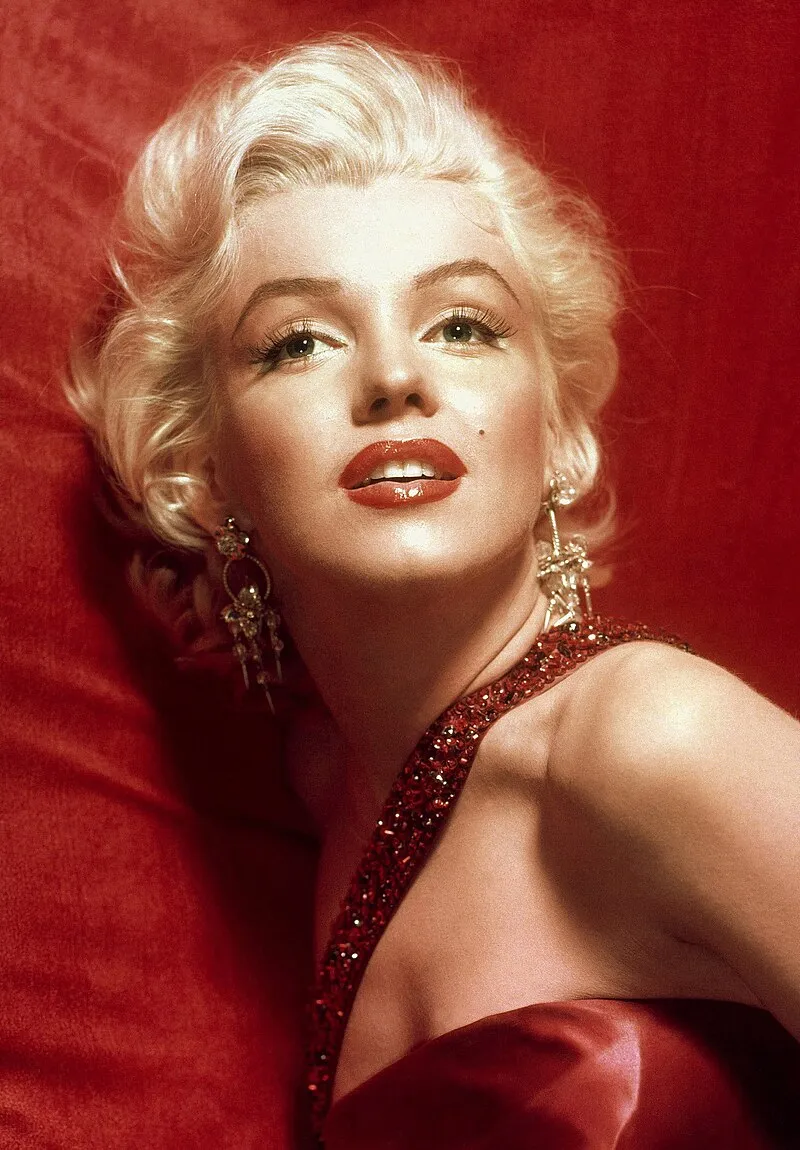
Photo of Marilyn Monroe, via Wikimedia Commons
There's a version of Audrey Hepburn gliding through a chocolate commercial. A digital James Dean has been cast in a feature film. Tupac performed at Coachella without, technically, being alive to do it. And somewhere in a boardroom, someone is pitching the next one — because in Hollywood's most lucrative new revenue stream, death is not a deal-breaker. It's barely even a scheduling conflict.
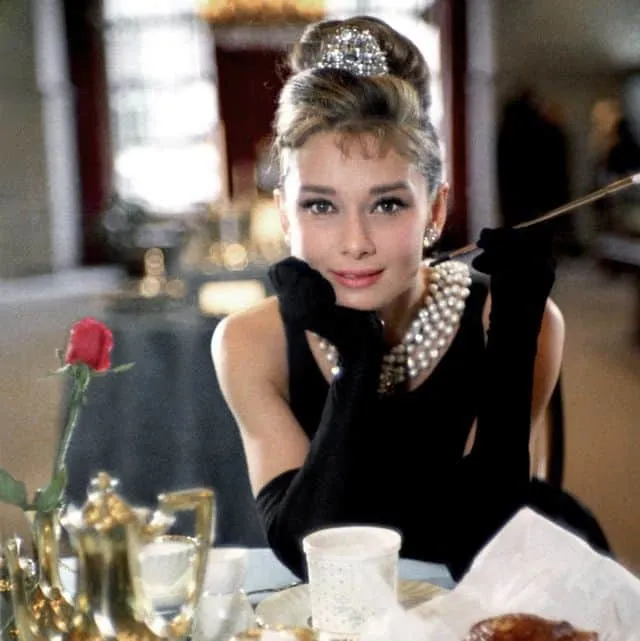 Photo: Audrey Hepburn, via spaces.filmstories.co.uk
The posthumous celebrity endorsement business is booming, and the numbers attached to it are genuinely staggering. Estates, brand partners, and a rapidly evolving AI industry have quietly assembled one of entertainment's most ethically complicated ecosystems — and most of us have already bought something from it without thinking twice.
The Money Is Very Much Alive
Let's start where all good Hollywood stories start: the money. According to Forbes, the estates of deceased celebrities collectively earn hundreds of millions of dollars annually. Michael Jackson's estate reportedly brought in $400 million in 2018 alone — a figure that includes music royalties, licensing deals, and brand partnerships that continue to generate income years after his death. Elvis Presley's estate earns an estimated $40 million per year through Graceland, licensing, and brand tie-ins. Marilyn Monroe's likeness, controlled through Authentic Brands Group (ABG), reportedly generates over $30 million annually.
ABG — a brand management company that has acquired the rights to dozens of celebrity estates including Muhammad Ali, Shaquille O'Neal (while he's still very much alive, interestingly), and Marilyn Monroe — is essentially the silent franchisor of the posthumous endorsement world. They don't just license a name. They manage the entire brand architecture of a dead person's identity, deciding what they'd sell, what they wouldn't, and how much that distinction is worth.
For Monroe specifically, that's meant perfume campaigns, fashion collaborations, and a presence in advertising that her estate's handlers carefully curate to feel aspirational rather than exploitative. Whether they always succeed at that distinction is... debatable.
The Hologram Hustle
If licensing a face for a print ad is the entry-level version of this business, holograms and AI recreations are the graduate program — and the ethical terrain gets considerably rockier.
The 2012 Coachella hologram of Tupac Shakur, produced by Dr. Dre and Snoop Dogg in collaboration with visual effects company Digital Domain, is still the moment most people point to as the industry's inflection point. The technology wasn't actually a hologram — it was a sophisticated Pepper's Ghost illusion — but the cultural shockwave it sent was real. Audiences watched a dead man perform. Some were moved. Some were deeply unsettled. Most were both.
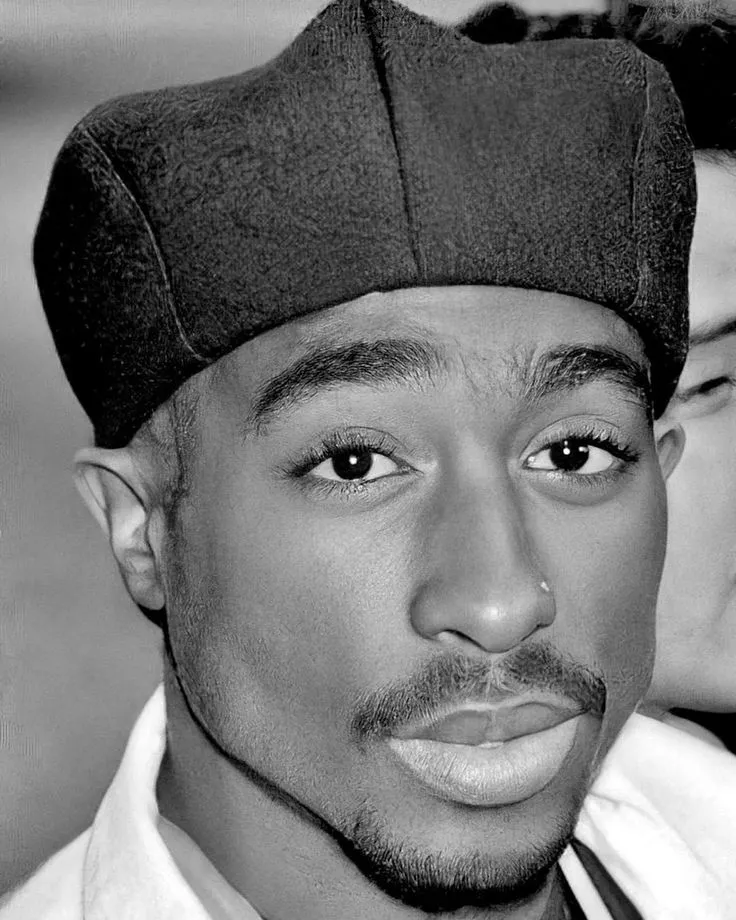 Photo: Tupac Shakur, via i.pinimg.com
Since then, hologram tours featuring Roy Orbison, Buddy Holly, and Whitney Houston have been announced or staged with varying degrees of commercial success and critical reception. Whitney Houston's hologram tour, announced by her estate and Base Hologram in 2020, was met with immediate backlash from fans and former collaborators who argued it was less a tribute than a cash extraction. Her former mentor Clive Davis publicly expressed reservations. The tour was delayed, restructured, and has remained a source of ongoing controversy — a reminder that the people who loved these artists in life don't always feel consulted when the estate makes these calls.
When AI Enters the Chat
Now add artificial intelligence to the equation and the conversation accelerates uncomfortably fast. The 2023 SAG-AFTRA strike put digital likeness rights front and center in Hollywood's labor negotiations, with studios pushing for the ability to scan an actor's likeness and use it indefinitely. The implications for living performers were alarming enough. For deceased celebrities, the guardrails are even thinner.
In 2021, a viral ad campaign used a deepfake of a young Bruce Lee to promote a Chinese sportswear brand — without clear authorization from Lee's estate, which swiftly issued a statement distancing itself from the campaign. In India, a deepfake of late actor Rajinikanth was used in a political ad without consent. The technology is outpacing the legal frameworks meant to govern it, and in the United States, right-of-publicity laws vary dramatically from state to state, leaving enormous gray areas for brands willing to operate in them.
California and New York have some of the strongest posthumous right-of-publicity protections in the country, extending up to 70 years after death in California. But enforcement is expensive, international jurisdictions are a minefield, and not every estate has the resources or appetite for prolonged litigation.
The Tribute-to-Exploitation Spectrum
Here's where it gets genuinely complicated: not all of this is cynical. Some posthumous endorsements feel like authentic extensions of a legacy. The continued licensing of Fred Astaire's image for dance-related projects, or the use of Ella Fitzgerald's voice in jazz education campaigns, threads the needle between commerce and cultural preservation in ways that feel defensible.
But a digital James Dean — who never filmed a single scene with a smartphone, never wore a seatbelt, and died at 24 — being cast in a Vietnam War action film called Finding Jack (a project announced in 2019 that was ultimately shelved after industry outcry) is a different conversation entirely. The directors behind that project argued they had full estate approval and that it was a tribute. The Writers Guild, Screen Actors Guild, and much of Hollywood disagreed loudly enough that the film never moved forward.
The difference between those two scenarios isn't just taste — it's consent, context, and the degree to which the posthumous use aligns with what the person actually stood for. Marilyn Monroe selling a fragrance she might plausibly have endorsed in life sits differently than Marilyn Monroe being rendered in AI for a cryptocurrency ad. Both are theoretically legal. Only one feels like it respects the person beneath the brand.
What Fans Actually Think
Audiences are more conflicted than brands want to admit. A 2023 YouGov survey found that while a majority of respondents were comfortable with deceased celebrities' music being used in advertising, far fewer were comfortable with AI-generated video likenesses — and comfort levels dropped sharply when the product being sold had no obvious connection to the celebrity's life or work.
Social media reactions tend to follow a predictable pattern: initial viral curiosity, followed by a wave of discomfort once the mechanics of the technology become clear, followed by a smaller but vocal contingent arguing that the estate's blessing makes it acceptable. What's notably absent from that conversation is any mechanism for the celebrity themselves to have had input — which is, of course, the entire point.
The Uncomfortable Bottom Line
The posthumous endorsement industry isn't going away — it's going to get more sophisticated, more lucrative, and more legally complex as AI capabilities expand. The estates will keep signing deals. The brands will keep pitching them. And audiences will keep having complicated feelings about whether the person they loved would have wanted this.
The most honest thing the industry could do is stop calling it tribute. It's commerce. Sometimes tasteful, sometimes not, but always, at its core, a business decision made by people who are alive on behalf of people who aren't.
And somewhere in a server farm, a machine is already learning what your favorite dead celebrity's voice sounded like — just in case someone needs it later.