Mercury Was in Retrograde and Apparently So Was Their Career: The Cosmic Timing Behind Celebrity Implosions
Every few months, like clockwork, a celebrity self-destructs in spectacular fashion. A leaked audio clip drops. A relationship implodes on camera. A social media post goes up at 2 a.m. and takes down an entire PR strategy with it. And somewhere, in the corner of the internet that smells faintly of palo santo and rose quartz, an astrologer is nodding slowly and saying: told you.
The overlap between major astrological events and celebrity chaos is, at minimum, a genuinely entertaining rabbit hole. At maximum, it's a legitimate cultural phenomenon that A-listers, their fans, and increasingly their publicists have started paying very close attention to.
Saturn Returns and the 27-to-30 Spiral
Let's start with the one even the skeptics have trouble fully dismissing: the Saturn return. For the uninitiated, Saturn takes roughly 29.5 years to orbit the sun and return to the position it occupied at your birth. Astrologers have long described this period — typically hitting between ages 27 and 30 — as a cosmic reckoning, a forced confrontation with the life you've built versus the one you actually want.
The celebrity evidence is, to put it mildly, not subtle. Britney Spears' most publicly documented crisis hit right on schedule in her late twenties. Kanye West's first major public unraveling — the Taylor Swift VMAs moment, the increasingly erratic interviews — coincided neatly with his Saturn return window. Demi Lovato, who has been admirably open about the struggles that culminated in a 2018 hospitalization, was 25 going on 26 when the pressure began building toward that moment.
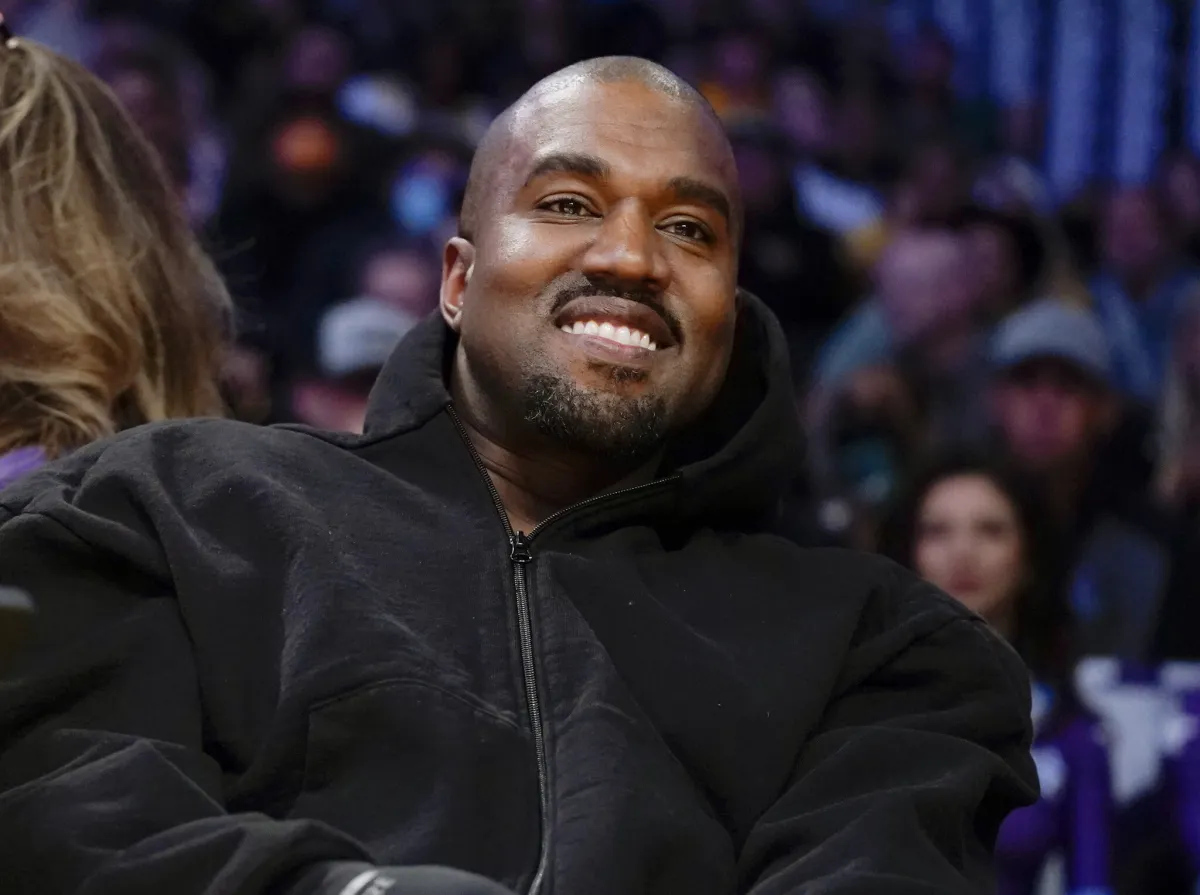 Photo: Kanye West, via static.timesofisrael.com
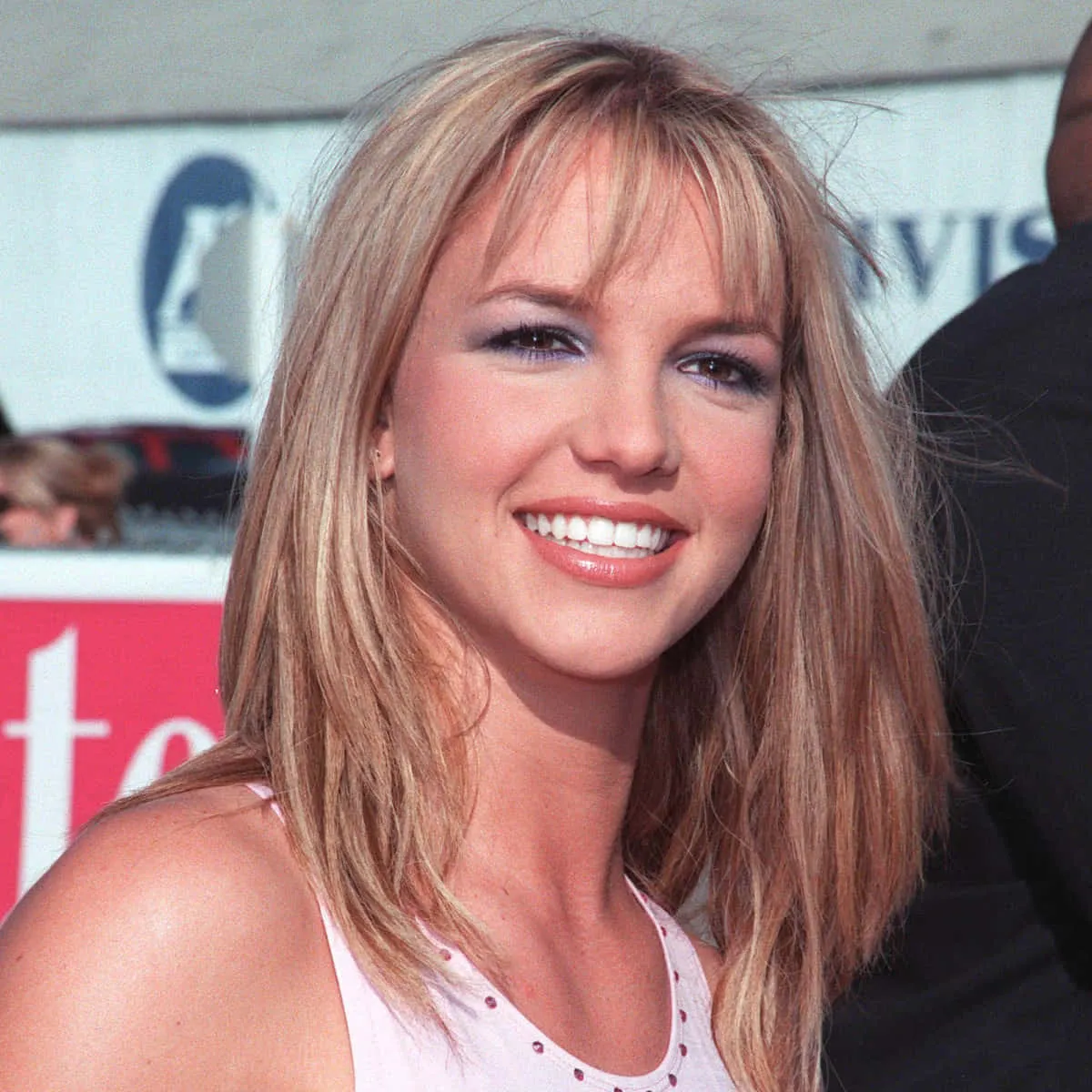 Photo: Britney Spears, via wallpapers.com
None of this is confirmation. Correlation is not causation, and plenty of people have quietly difficult Saturn returns without a paparazzi camera in their face. But the pattern is consistent enough that celebrity astrologers — yes, that's a real and apparently thriving career — have built entire client lists around coaching famous people through this window.
"The Saturn return doesn't create the crisis," says the general astrological consensus, as summarized by practitioners like Chani Nicholas, whose app and books have found a significant Hollywood audience. "It just makes it impossible to keep avoiding what was already there."
Eclipse Season: Hollywood's Favorite Chaos Agent
If Saturn returns are the slow burn, eclipse seasons are the match dropped on dry wood. Eclipses occur in pairs — a solar and a lunar — roughly every six months, and in astrological tradition they represent sudden, irreversible shifts. Endings that couldn't be postponed. Reveals that refused to stay hidden.
Scroll back through major celebrity news cycles and the eclipse calendar alignment is, frankly, a little unnerving. The timing of several high-profile relationship announcements, breakups, and explosive public feuds in recent years has landed within weeks — sometimes days — of eclipse events. Fans on platforms like Reddit and X (formerly Twitter) have developed entire tracking systems for this, cross-referencing celebrity news drops with NASA's published eclipse schedules with the dedication of investigative journalists.
And celebrities themselves have started talking about it. Lizzo has referenced astrology openly in interviews. Cardi B is famously vocal about her belief in cosmic influence. Keke Palmer, Megan Fox, and Lana Del Rey have all made public statements crediting or at least acknowledging astrological timing in their personal lives. Lana Del Rey even released a book of poetry and astrology, leaning into the connection so hard it became part of her brand architecture.
Mercury Retrograde: The Celebrity Scapegoat We Deserve
Then there's Mercury retrograde — the astrological event that has successfully crossed over from niche spiritual practice into mainstream cultural shorthand. Mercury goes retrograde (appearing to move backward from Earth's perspective) three to four times a year, and tradition holds that it scrambles communication, technology, and contracts.
For celebrities, whose entire professional existence depends on carefully managed communication, the implications are obvious. And the retrograde has become something of a collective excuse — a cosmic shrug for when the interview goes sideways, the tweet lands wrong, or the contract negotiation collapses.
What's interesting is how the retrograde has been absorbed into celebrity PR strategy, even by teams who would never publicly admit to consulting an ephemeris. Several entertainment lawyers and talent managers, speaking to outlets like The Cut and Vogue, have noted that major clients increasingly request that contract signings, album announcements, and press tour launches avoid retrograde windows. Whether they believe in the astrology or simply believe their clients believe in it is almost beside the point — the scheduling accommodation is real.
The Fan Astrology Industrial Complex
Here's where it gets genuinely fascinating from a cultural standpoint: it's not just the celebrities doing this. Their fans have turned celebrity birth chart analysis into a full-time internet occupation. Entire TikTok accounts, Substack newsletters, and YouTube channels are dedicated to predicting celebrity behavior, relationship compatibility, and career trajectories based on natal charts.
When a famous couple breaks up, the astrology community doesn't grieve — it audits. Synastry charts get pulled. Composite charts get analyzed. Someone always posts a thread that begins "I've been saying since 2021 that their Venus-Saturn square was unsustainable" and receives forty thousand likes from people who couldn't define a Venus-Saturn square twenty minutes ago but are now completely convinced.
This participatory astrology culture has given fans a framework for making sense of celebrity chaos that feels more satisfying than the usual narrative of "rich person makes bad choices." It's impersonal but intimate. It's fatalistic but not cruel. It lets you care about a celebrity's downfall without having to assign blame — the stars did it, not the person.
Does Any of This Actually Mean Anything?
Here's the honest answer: probably not in a literal, celestial-mechanics-determining-human-behavior kind of way. The scientific consensus on predictive astrology as a causal system is, to put it gently, not enthusiastic.
But here's what might actually be happening. Celebrities who believe in astrology use it as a permission structure — to make changes they were already contemplating, to end relationships that were already failing, to take risks they were already tempted by. The retrograde or the eclipse or the Saturn return becomes the nudge, the narrative frame, the reason to finally do the thing. And when the thing goes public, the timing looks cosmic because the internal clock was already running.
For fans, astrology provides a story that's more interesting than randomness. Human brains are pattern-recognition machines, and celebrity culture is an endless feed of data points just waiting to be connected into something meaningful.
Whether the stars are actually steering the ship or we're just very, very good at reading constellations into the wreckage — the tea is hot either way.
Watch the skies. Eclipse season is always closer than you think.