The Understudy Earworm: How Deep Cuts and B-Sides Became the Songs That Actually Defined a Generation
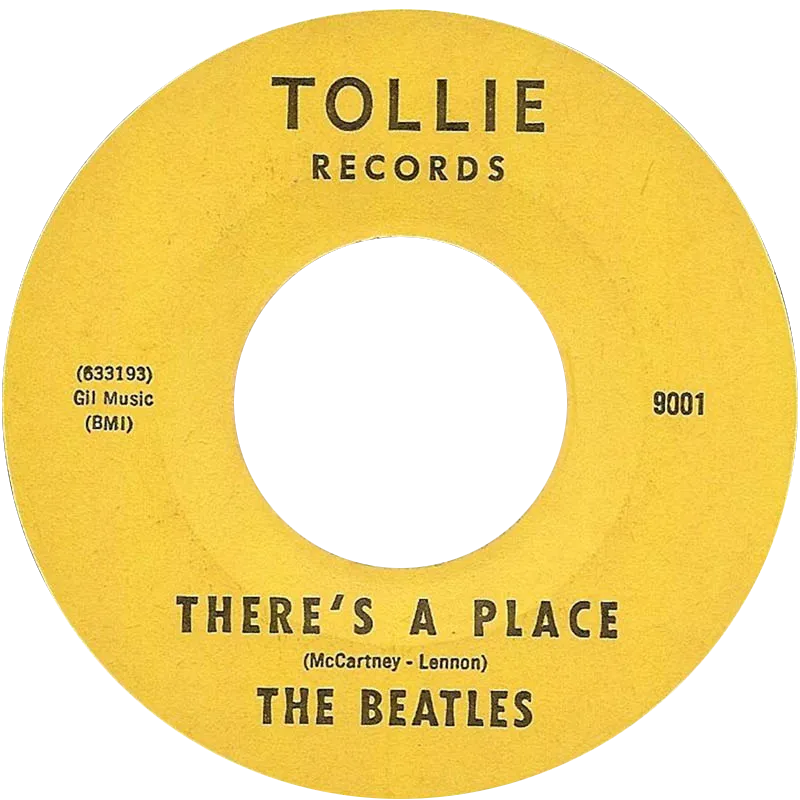
Photo: Tollie Records, Public domain, via Wikimedia Commons
When Track 11 Hits Different
There's something beautifully rebellious about falling in love with the song the record label didn't want you to hear. While executives were calculating radio-friendly hooks and streaming potential, music fans were quietly discovering that the real magic was often hiding in the album's forgotten corners—those deep cuts, B-sides, and "filler" tracks that were never meant to see the light of a music video.
These are the songs that become tattoo inspiration, wedding processionals, and the soundtrack to 2 AM breakdown sessions. They're the tracks that spawn cult followings, inspire cover bands, and somehow outlive the actual singles that dominated the charts. In an industry obsessed with algorithmic success and playlist placement, the rise of the deep cut represents something beautifully unquantifiable: the gap between what sells and what actually moves people.
The Anatomy of an Accidental Anthem
What makes a deep cut transcend its humble origins? Often, it's the absence of commercial pressure. Without the weight of label expectations, artists frequently experiment with more personal lyrics, unconventional structures, or production choices that would never make it past a focus group. The result is music that feels more authentic, more vulnerable, more human.
Take those haunting ballads buried at the end of pop albums, or the experimental interludes that major artists slip between their radio-ready anthems. These songs often contain an artist's most honest moments—the thoughts they had at 3 AM in the studio, the emotions they couldn't quite fit into a three-and-a-half-minute single format.
The Fan Underground
Before TikTok made deep cuts discoverable, there was an entire underground economy of music obsessives who served as unofficial A&R scouts for overlooked gems. These were the fans who bought physical albums, dissected liner notes, and created elaborate forum discussions about why track 7 was actually the album's masterpiece.
These communities became the keepers of musical secrets, passing along recommendations like underground resistance fighters. They created fan-made music videos, covered obscure tracks at open mic nights, and gradually built grassroots movements around songs that labels had written off as album padding.
When Labels Get It Wrong
The music industry's track record for predicting which songs will resonate is surprisingly poor. Time and again, the tracks that labels push as singles fade from memory while the deep cuts become generational touchstones. It's a phenomenon that exposes the fundamental disconnect between market research and genuine emotional connection.
Some of the most beloved songs of the past two decades were never intended to be anything more than album filler. These tracks succeeded not because of marketing budgets or radio play, but because they captured something real that listeners couldn't find anywhere else. They became the songs that fans claimed as their own, creating a sense of discovery and ownership that no amount of promotional spending can manufacture.
The Streaming Revolution
Platforms like Spotify and Apple Music have democratized music discovery in unprecedented ways, but they've also revealed just how wrong the industry has been about what people actually want to hear. Suddenly, those forgotten B-sides were getting millions of streams, climbing viral charts, and spawning their own fan communities.
The algorithms that were supposed to predict hit songs instead became vehicles for resurecting buried treasures. A deep cut that touched the right nerve could explode on social media, accumulating more cultural impact in a few months than the original single achieved in years of traditional promotion.
The Economics of Emotion
The rise of deep cut culture has forced the music industry to reconsider how it values songs. When a track that cost almost nothing to promote generates more engagement than a multi-million-dollar single campaign, it raises uncomfortable questions about the entire promotional apparatus.
Record labels are now paying attention to deep cut metrics in ways they never did before. Some artists have started intentionally burying their most experimental or personal work deep in their albums, knowing that discovery by dedicated fans often creates stronger, more lasting connections than mainstream exposure.
The Cult of the Overlooked
There's something almost spiritual about the relationship between artists and their deep cut devotees. These fans often feel like they've discovered the "real" version of their favorite artist—the one who exists beyond the carefully crafted public persona and radio-friendly image.
This dynamic has created some of the most passionate fan communities in modern music. They're not just consumers; they're curators, evangelists, and guardians of artistic authenticity. They create elaborate theories about hidden meanings, organize listening parties for album anniversaries, and treat these overlooked songs like sacred texts.
The Paradox of Success
The strangest part of deep cut culture is what happens when these songs finally get their due. When a buried track explodes on TikTok or gets featured in a popular TV show, there's often a bittersweet quality to its mainstream success. The fans who discovered it first feel both vindicated and slightly betrayed—happy that their favorite song is finally getting recognition, but mourning the loss of their secret.
It's a phenomenon that speaks to our complicated relationship with discovery in the digital age. In a world where everything is instantly accessible, the value of finding something hidden has only increased.
The New Treasure Hunters
Today's music fans have become sophisticated archaeologists, digging through discographies, B-side collections, and unreleased vault tracks with the dedication of academic researchers. They understand that the most meaningful musical moments often happen in the margins, away from the spotlight and outside the carefully orchestrated promotional cycles.
These modern treasure hunters prove that in an industry increasingly driven by data and algorithms, the most powerful force in music remains beautifully unpredictable: human connection to authentic artistic expression, wherever it might be hiding.