Shipped Into Existence: How Stan Culture Stopped Imagining Celebrity Romances and Started Manifesting Them
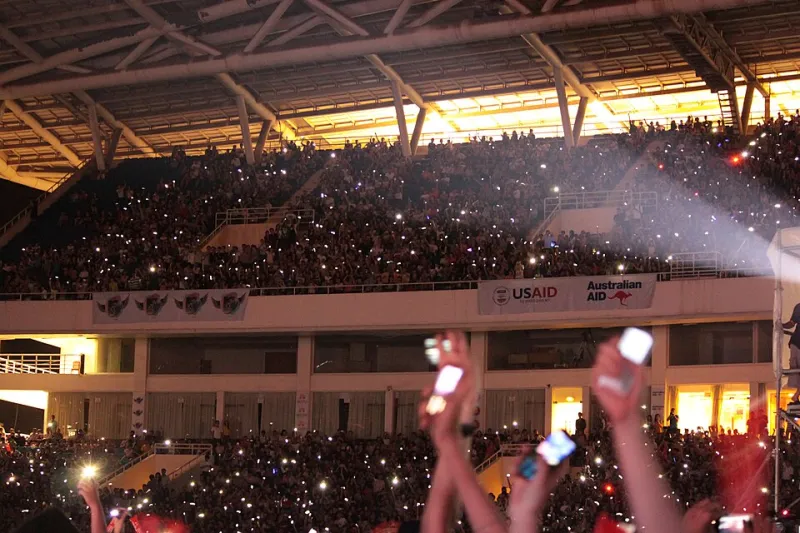
Photo: USAID Vietnam, Public domain, via Wikimedia Commons
Somewhere between a Tumblr gifset and a $200 million box office opening weekend, something shifted. The fans who spent years writing elaborate romantic fiction about their favorite celebrities — pairing co-stars, rivals, bandmates, and best friends into relationships that may or may not have existed — stopped being a fringe internet hobby and became, quietly and then very loudly, one of Hollywood's most powerful forces.
Celebrity shipping culture — the practice of fans enthusiastically supporting (or outright willing into existence) romantic pairings between public figures — has gone from a niche corner of fandom to a legitimate variable in how studios cast films, how labels time album releases, and how PR teams construct public narratives. The stans figured out they had leverage. And Hollywood, never slow to identify a free marketing engine, figured out how to use them.
Where It Started: The Tumblr Primordial Soup
To understand where shipping culture is now, you have to go back to where it began — which is, broadly speaking, the intersection of fan fiction communities and the early social media era. Tumblr, in its chaotic heyday, was the primary incubator. Users would compile photo sets, gif collections, and lengthy written analyses "proving" the romantic chemistry between two celebrities, often with the rigor of a doctoral thesis and the passion of a true believer.
The subjects were usually co-stars from major franchises. The Harry Potter cast. The One Direction members. The Twilight leads. The Marvel ensemble. These were people who spent enormous amounts of time together, photographed constantly, and whose on-screen chemistry was already pre-loaded with romantic or emotional intensity. Shipping was, in many ways, a completely logical extension of what the stories were already asking audiences to feel.
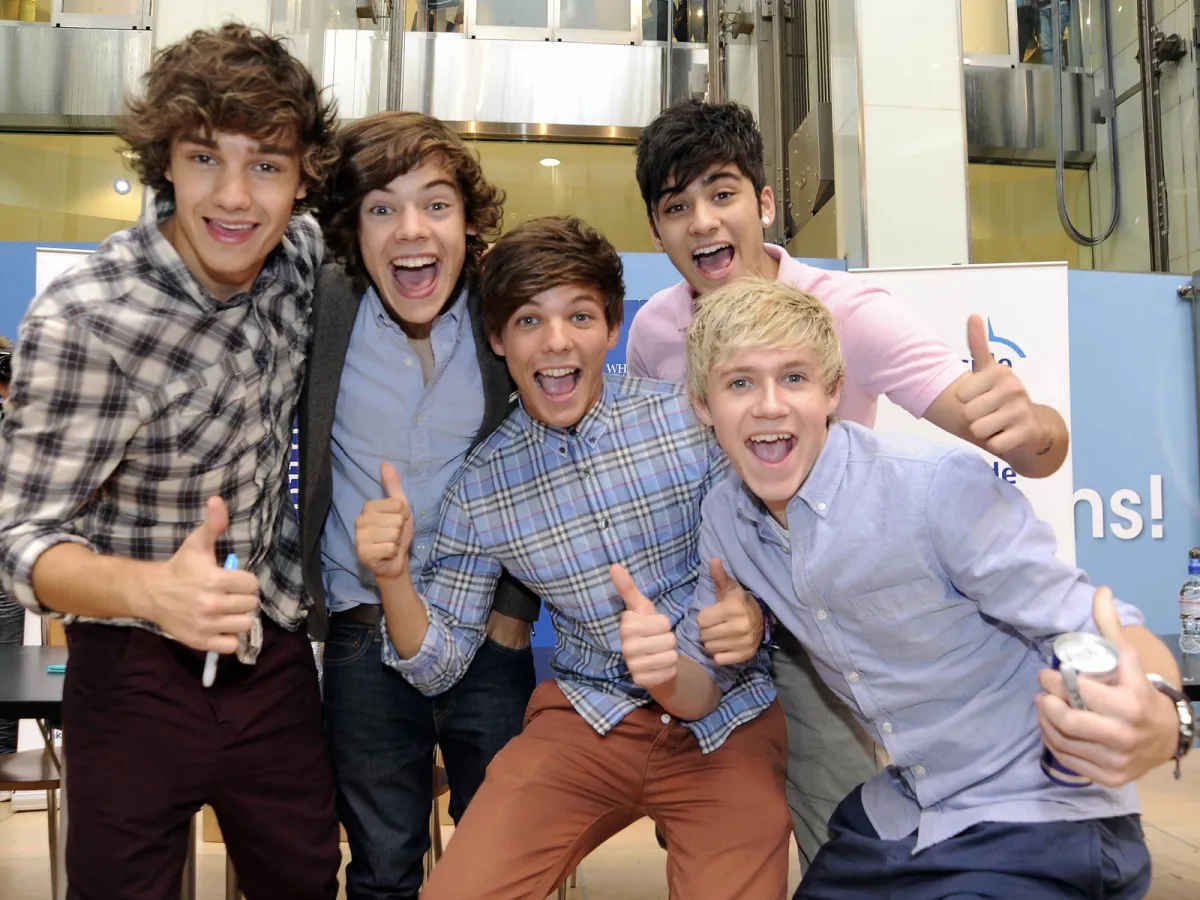 Photo: One Direction, via image-cdn.netflixjunkie.com
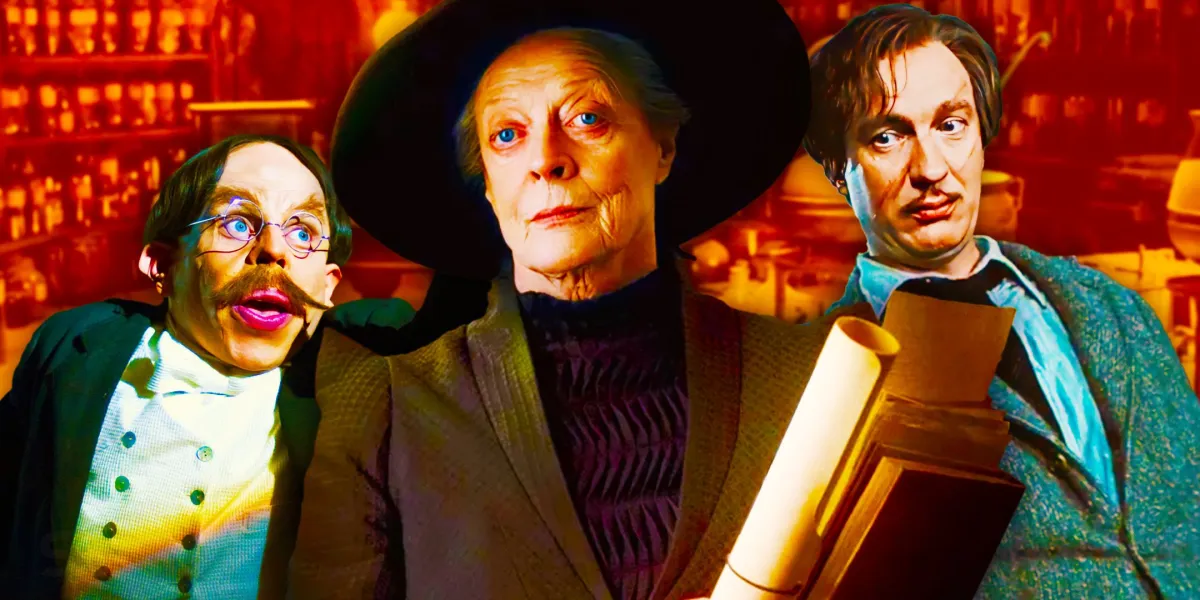 Photo: Harry Potter, via static1.srcdn.com
But it didn't stay contained to fictional characters. It migrated — rapidly and completely — onto the real people playing them.
The Mechanics of a Ship: How Fans Build a Narrative
A celebrity ship doesn't emerge from nothing. It has a construction process that, once you see it, is impossible to unsee.
First, there's the source material — a real interaction, a paparazzi photo, a moment in an interview, a social media exchange. It doesn't need to be romantic. It needs to be interpretable. Two celebrities laughing too hard at each other's jokes. A lingering look caught on a red carpet. A reply to a tweet that could mean nothing or could mean everything depending on how badly you want it to mean something.
Then comes the community amplification. That moment gets gifted, captioned, analyzed, and shared across platforms until it has its own vocabulary. The pairing gets a ship name — a portmanteau of their names, usually, delivered with the same gravity as a legal entity. The ship name is important because it collapses two separate people into a single cultural unit. It makes the pairing feel inevitable.
From there, the content ecosystem explodes. Fan fiction. Fan art. Edit videos on YouTube and TikTok. Dedicated accounts that track every public interaction between the two subjects. Timeline threads that compile every moment of alleged chemistry going back years. The ship becomes a fandom unto itself, with its own lore, its own inside references, its own ongoing drama.
And then something interesting happens. The subjects notice.
Hollywood Leans In: The Strategic Use of Shipping Energy
Here's where the cultural phenomenon becomes a business story. Studios and talent teams have watched shipping culture generate enormous, free, sustained publicity for their projects — and they've started designing for it.
The most obvious mechanism is casting. When franchises need to generate pre-release buzz, pairing actors with existing fan bases and known shipping history is a reliable accelerant. The audience arrives at the project already emotionally invested in the leads' dynamic, already primed to read every behind-the-scenes photo as evidence of a real connection, already committed to buying tickets and streaming episodes and posting about both.
This isn't speculation — entertainment journalists and industry analysts have written about the casting calculus that factors in "shipping potential" as a legitimate variable. The question isn't just "can these two act?" It's "does the internet already have feelings about these two?" The answer to the second question can significantly influence the answer to the first.
PR strategy has absorbed shipping culture even more explicitly. Social media teams for major films and TV shows now routinely create content specifically designed to feed shipping narratives — behind-the-scenes footage of co-stars being warm and playful together, carefully timed joint press appearances, the strategic deployment of co-star compliments in interviews. None of it confirms a real relationship. All of it feeds the speculation that keeps the project in the conversation.
The Music Industry's Shipping Problem (and Opportunity)
The music world has its own shipping ecosystem, and it operates with even higher emotional stakes because the parasocial relationship between fans and musicians is, by design, more intimate than the one between fans and actors.
Boy band shipping has a history stretching back decades — the Beatles, New Kids on the Block, *NSYNC — but it reached a new intensity with One Direction, whose fandom essentially ran a parallel universe in which various member pairings were in committed relationships. The Larry Stylinson ship (Harry Styles and Louis Tomlinson) became so dominant that it reportedly created genuine tension within the band and was directly addressed by management in ways that only amplified the conspiracy theories.
More recently, the shipping apparatus has attached itself to solo artists and their collaborators, their rumored rivals, and occasionally their actual romantic partners in ways that blur the line between celebration and surveillance. When Taylor Swift began publicly dating Travis Kelce, the existing Swift fandom — already expert-level shippers — absorbed the real relationship into their framework almost instantly, treating it with the same analytical intensity they'd previously applied to fictional pairings.
 Photo: Taylor Swift, via cdn.charitystars.com
Album rollouts have started to account for this energy. Releasing a collaboration with a celebrity the fandom already ships with a star? That's not an accident. That's a marketing decision.
The Line Between Flattering and Frightening
It would be dishonest to write this piece without acknowledging the part of shipping culture that has always been uncomfortable: the way it treats real people as characters in a story they didn't consent to be part of.
When shipping stays in the realm of playful enthusiasm — fan art, fiction clearly labeled as such, social media fun — it's largely harmless and often genuinely creative. Fan communities have produced remarkable art, music, and writing inspired by the pairings they love.
But shipping culture has also produced harassment campaigns against real romantic partners of celebrities (who are accused of "getting in the way" of the ship), invasive speculation about celebrities' private lives and sexuality, and coordinated pressure on studios and networks to make creative decisions based on fan ship preferences rather than storytelling ones.
Several celebrities have spoken about the discomfort of being shipped — particularly when the shipping involves speculation about their sexuality or when fan behavior crosses from enthusiasm into something that feels like ownership. The community, like most powerful communities, contains multitudes.
Who Actually Has the Wheel?
The honest answer to whether Hollywood has handed its storytelling wheel to the stans is: partially, conditionally, and with one hand still firmly on the controls.
Studios use shipping energy when it's useful and try to manage it when it isn't. Celebrities engage with fan shipping narratives when it generates positive attention and distance themselves when it becomes intrusive. The relationship is symbiotic and slightly uncomfortable for everyone involved, which is maybe the most Hollywood dynamic imaginable.
What's undeniable is that the fans have more influence over the entertainment industry's decisions than they did twenty years ago — not because anyone handed it to them, but because they built the leverage themselves, one gifset and one hashtag campaign at a time.
The stans didn't wait for an invitation to the writers' room. They just started submitting drafts until someone started reading them.
The next casting announcement that breaks the internet? There's a good chance a fan account predicted it six months ago — and a better chance the studio saw that prediction before they made the call.