Tears, Timing, and Trophies: The Dark Art of Selling Trauma During Award Season
Somewhere in a sleek West Hollywood conference room, a publicist is looking at a calendar. On one side: a client's deeply personal story about addiction, loss, or abuse. On the other: the Academy's nomination announcement date. The question being asked is not should this story come out. It's when.
 Photo: West Hollywood, via i.etsystatic.com
Welcome to what the industry quietly calls the sympathy cycle — the carefully orchestrated rollout of celebrity vulnerability designed to land with maximum emotional impact during the months that matter most for awards. It's one of Hollywood's worst-kept secrets, and it's worth asking out loud: are we being genuinely moved, or are we being worked?
The Calendar Never Lies
Look back at any Oscar season from the past decade and a pattern emerges with uncomfortable consistency. Profiles drop in Variety or The Hollywood Reporter in October. By November, the subject is sitting across from a sympathetic late-night host, voice cracking on cue. December brings the long-form magazine cover — soft lighting, a headline about resilience, a quote about finally being ready to talk about it.
The timing is not accidental. Academy voting windows are well-documented, and any publicist worth their retainer knows exactly when a story needs to be in the bloodstream of voters. Grief, it turns out, has an optimal release date.
The Grammy cycle operates on a slightly different clock but follows the same architecture. An artist drops an album described in press materials as "deeply personal" and "the most vulnerable work of their career." Within weeks, the interviews arrive — a childhood trauma here, a near-breakdown there. By the time nominations are announced, the narrative is fully baked: this isn't just music, it's survival. Vote accordingly.
The Mechanics of the Sympathy Rollout
Industry insiders — speaking carefully and without attribution, because this is still a town that runs on relationships — describe a fairly standard playbook. Step one is what one veteran entertainment strategist called "the soft open": a vague social media post or a brief mention in an existing interview that plants the seed without fully blooming. Step two is the anchor piece, typically a sit-down with a trusted journalist at a major publication that controls the framing. Step three is amplification: the clip goes viral, the think-pieces follow, and suddenly the conversation around the film or album is inseparable from the story of the person who made it.
The machinery is sophisticated enough that some PRs reportedly time even the type of trauma being disclosed. Sources in the industry suggest that stories involving family loss or childhood hardship tend to land better early in the cycle, while addiction and recovery narratives are more effective closer to voting, when they can be framed around present-day transformation.
Real Pain, Real Problem
Here's where it gets genuinely complicated, and where the easy cynicism starts to feel insufficient. The trauma being deployed is, in most cases, completely real. Nobody is inventing dead parents or fabricating addiction histories for a statuette. The pain is authentic. What's being manufactured is the moment of disclosure — the packaging, the platform, the timing.
And that distinction matters enormously. There is something legitimately meaningful about a public figure using their platform to speak about mental health or abuse. Real people in real living rooms hear those stories and feel less alone. The parasocial benefit is not nothing.
But it's also not nothing that the same disclosure that helps a stranger in Cincinnati is simultaneously helping a client close a deal with the Academy. The question of whether that dual function corrupts the message is one that Hollywood has a very strong financial incentive never to answer honestly.
The Voters Are Not Immune
Academy and Recording Academy voters are human beings, and human beings respond to narrative. Study after study in behavioral psychology confirms that we evaluate performance differently when we know the performer was suffering. A crying scene lands harder when we believe the actor was drawing on real grief. A vocal performance sounds more raw when we've read the interview about the divorce.
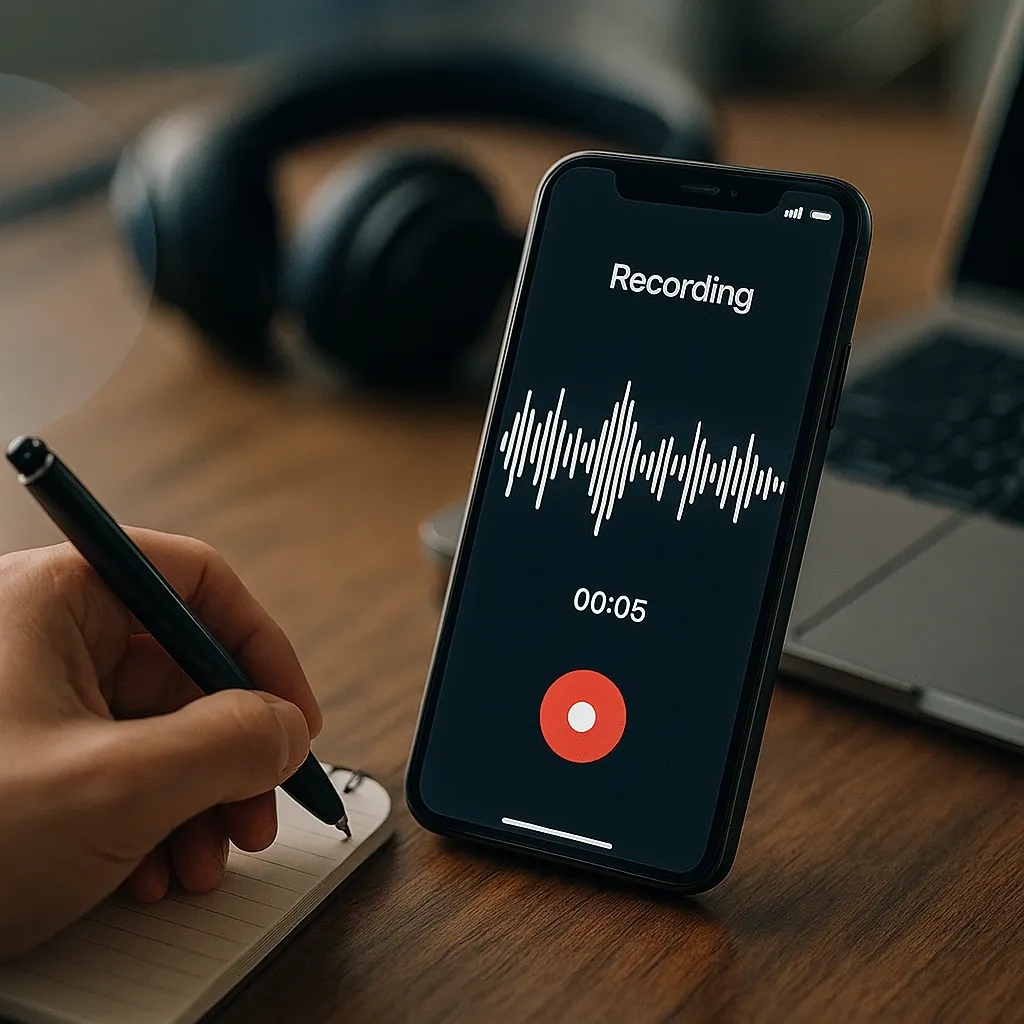 Photo: Recording Academy, via screenapp.io
This is not manipulation in the abstract — it is manipulation of the most effective kind, because it works by making the audience feel like they're doing something generous. Voting for someone who overcame something feels like solidarity. It feels like the right thing to do. The industry has simply learned to engineer those feelings with precision.
Some voters have started to notice. Off the record, a handful of longtime Academy members have described a growing fatigue with what one called "the suffering sweepstakes" — a sense that every major contender now arrives pre-packaged with a backstory calibrated to make a no-vote feel like a moral failure.
The Floor Beneath the Formula
None of this means every celebrity who shares a personal story during award season is being cynical. Some are simply doing press for work they're proud of and answering the questions journalists are asking — questions that, in 2024, almost always push toward the personal. The media ecosystem that demands vulnerability from celebrities is as responsible for this dynamic as the PR teams who supply it.
And some stories genuinely needed to be told, and award season happened to be when the timing aligned. Not every overlap is engineered. Some of it is just life.
But the pattern is real, the incentives are obvious, and the audience deserves to hold both truths simultaneously: that a celebrity's pain can be genuine and that its public presentation can be strategic. Feeling moved and being manipulated are not mutually exclusive. In Hollywood, they're practically a matched set.
The trophy doesn't know the difference — but maybe we should.