Perfectly Timed Pain: The Art of Dropping Your Trauma Right Before the Album Drops
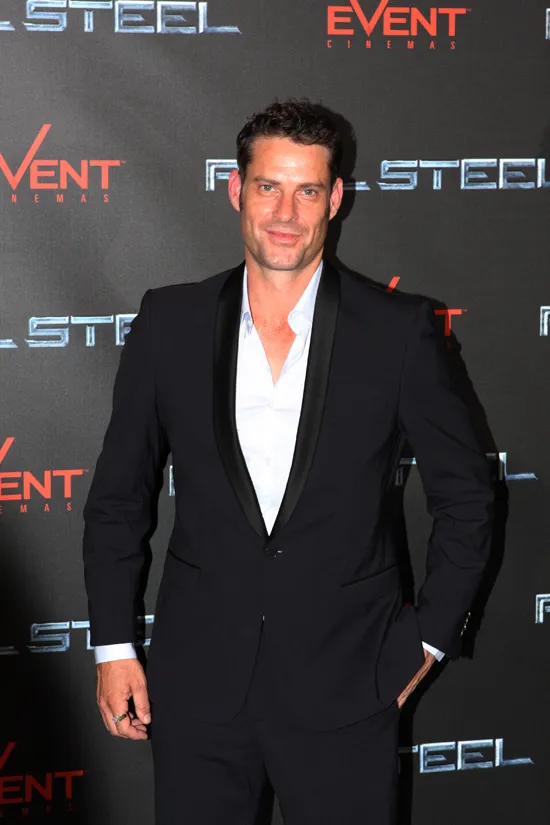
Photo: Eva Rinaldi, CC BY-SA 2.0, via Wikimedia Commons
Let's be clear about something upfront: celebrities are human beings. They experience real pain, real hardship, real trauma. None of what follows is meant to suggest otherwise, and it would be both reductive and cruel to dismiss every personal disclosure from a famous person as manufactured content.
But.
There is a pattern. It is consistent enough to have a shape. And once you see it, you genuinely cannot unsee it.
The deeply personal revelation — the childhood wound, the health diagnosis, the family estrangement, the addiction battle, the abusive relationship — has a remarkable tendency to surface in the precise window before a major project launches, during an awards campaign that needs a human-interest angle, or in the immediate aftermath of a controversy that requires a narrative reset. This isn't cynicism. It's pattern recognition. And it comes with receipts.
The Timeline Never Lies
Consider the anatomy of a typical celebrity vulnerability moment. A star sits down for a long-form interview — Vogue, The Hollywood Reporter, Rolling Stone, a podcast with a host who's known for going deep. They open up. Really open up. Things they've "never talked about publicly before." The audience responds with an outpouring of empathy and support. The parasocial bond deepens. And then, almost without exception, something is announced. A tour. An album. A film. A brand deal. A comeback.
 Photo: The Hollywood Reporter, via trustnordisk.com
The gap between the revelation and the announcement is usually measured in days, not months.
This isn't a new observation — entertainment journalists have been noting the timing for years — but the mechanics have become increasingly refined. Where once a celebrity might drop a single emotional anecdote in a print profile, the modern version is a multi-platform rollout: a teaser clip on social media, a full podcast episode, a magazine cover story, and a coordinated fan response that trends on X before noon. The emotional content is real. The distribution strategy is very much not accidental.
"Vulnerability is currency right now," a former entertainment publicist told The Atlantic in a piece examining celebrity authenticity. "Audiences want to feel like they know the real person. If you can give them that — or something that feels like that — they'll follow you anywhere. Including to the box office."
 Photo: The Atlantic, via c8.alamy.com
Case Studies in Convenient Candor
Without singling out any one celebrity as definitively cynical — because, again, the pain is often real — it's worth mapping some patterns.
The awards-season confessional is perhaps the most reliable format. An actor is in contention for a major prize. Their publicist secures a prestige interview slot. The conversation pivots, seemingly organically, to something deeply personal — a mental health struggle, a family rupture, a period of profound self-doubt. Critics and audiences, already primed to evaluate the performance, now have an emotional backstory that makes the work feel more resonant. The vulnerability and the campaign become mutually reinforcing. Coincidence? Maybe once. As a pattern? That's a strategy.
The scandal burial is equally recognizable. A celebrity is embroiled in controversy — a problematic old post resurfaces, a feud escalates publicly, a business venture implodes. Within weeks, sometimes days, a personal disclosure appears. Not addressing the controversy directly — that would be too obvious — but redirecting the emotional narrative entirely. The audience, being human and empathetic, often follows the redirect. The original story loses oxygen. The crisis passes.
And then there's the comeback disclosure — perhaps the most structurally sophisticated of all. A star who's been out of the cultural conversation for a meaningful stretch returns not with a project announcement but with a story. A health scare they've been sitting on. A period of personal darkness they're now emerging from. The revelation functions as both explanation (where they've been) and invitation (to join them on the other side). By the time the album or film or memoir actually arrives, the audience is already emotionally invested in the protagonist's journey.
Where Genuine Vulnerability Ends and Strategic Storytelling Begins
This is the genuinely difficult question, and it deserves more than a glib answer.
The uncomfortable truth is that these two things are not mutually exclusive. A celebrity can be authentically, genuinely traumatized by something that happened to them and choose — with the guidance of a publicist or manager — to disclose that trauma at a moment that serves their career. The pain doesn't become fake because the timing was calculated. But the disclosure does become something more complicated than pure vulnerability.
What changes is the relationship between the celebrity and the audience receiving the information. If someone is sharing their truth and using it as a marketing tool, the audience deserves to know that both things can be true simultaneously. Informed empathy is still empathy. But uninformed empathy — the kind that's been deliberately engineered — starts to feel like something closer to manipulation, however soft and well-intentioned.
"There's a version of this that's genuinely therapeutic — telling your story publicly can be healing, and it can help other people feel less alone," one therapist who works with high-profile clients told a mental health publication. "But there's also a version where the disclosure is shaped by a team of people with commercial interests, and the person at the center of it sometimes doesn't even fully realize how packaged their own story has become."
That second version is worth sitting with.
The Audience's Emotional Labor
Here's what rarely gets discussed in these conversations: what happens to the fans.
When a celebrity opens up about trauma — real or strategically timed — millions of people respond with genuine emotional investment. They share the story. They feel seen by it. They defend the celebrity in comment sections. They buy the album or the book or the ticket because they feel a bond. That emotional labor is real, and it's freely given. But if the disclosure was calibrated to produce exactly that response, at exactly that moment, for exactly that commercial purpose — is the exchange an honest one?
The parasocial relationship between celebrity and fan has always been asymmetrical. The fan feels they know the star; the star doesn't know the fan exists. But the vulnerability disclosure moment creates the illusion of reciprocity — I'm showing you something real; now you're really seeing me — and when that moment is engineered, the illusion is doing a lot of heavy lifting.
Fans are increasingly aware of this dynamic, which is part of why the conversation around celebrity authenticity has gotten so sharp in recent years. The comment sections under these disclosures now routinely include both "this is so brave" and "interesting timing" — sometimes from the same account. People are doing the math in real time.
Pattern Recognition Is Not Cruelty
Noticing the timing of a trauma disclosure isn't the same as dismissing the trauma. It isn't accusing anyone of lying. It isn't denying that famous people suffer. It's simply acknowledging that the entertainment industry has developed an extremely sophisticated apparatus for packaging human experience as content — and that apparatus doesn't stop working just because the content happens to be painful.
The next time a celebrity opens up about something deeply personal in the week before their project drops, you're allowed to feel two things at once: genuine compassion for what they've been through, and a clear-eyed recognition that the timing was almost certainly not an accident.
Both of those things can be true. Hollywood has just been hoping you'd only feel the first one.