You Thought You Saw Them. You Didn't. The AI Celebrity Clone Economy Is Already Here.
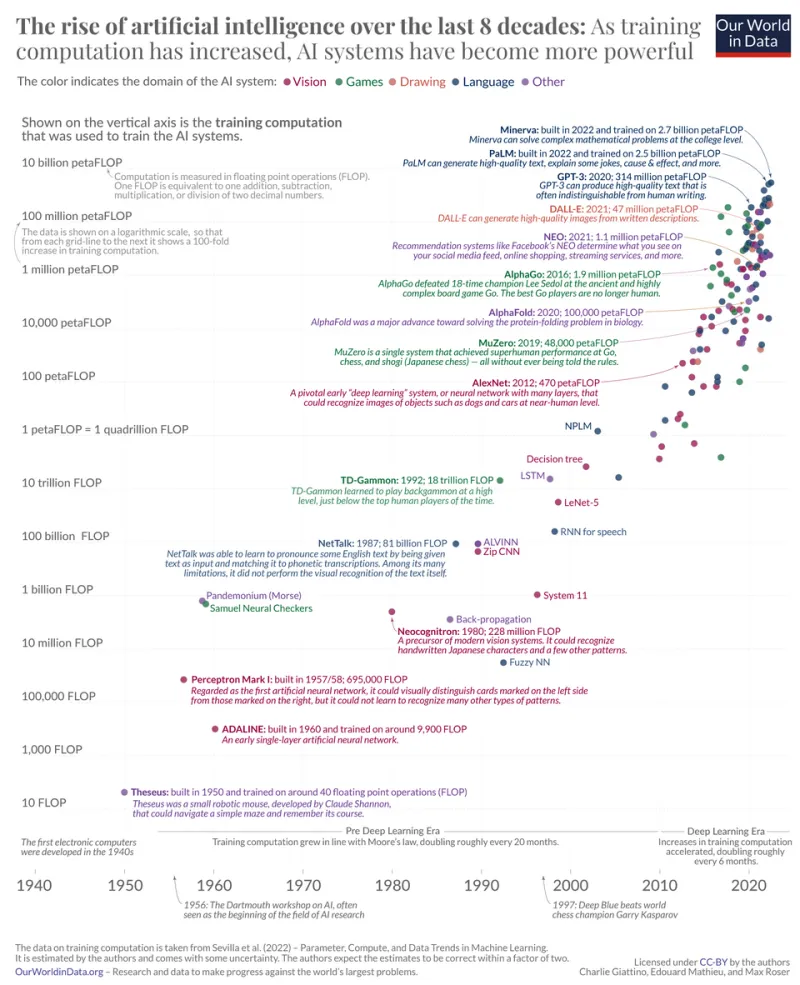
Photo: Our World in Data, CC BY 4.0, via Wikimedia Commons
You Thought You Saw Them. You Didn't. The AI Celebrity Clone Economy Is Already Here.
Picture this: a global superstar appears in a luxury car commercial airing simultaneously across North America, Europe, and Asia. The performance is perfect — right mannerisms, right voice, right energy. The brand is thrilled. The campaign goes viral. The celebrity's team sends an approval email. The celebrity themselves? They approved a contract, signed off on a likeness license, and moved on with their life. They were never on set. They were never in the room. In the strictest sense, they were never there.
This is not a hypothetical. Versions of this scenario are happening right now, in deals that rarely make headlines and almost never include a disclaimer for audiences. The AI celebrity clone economy has arrived, and it is moving considerably faster than the ethical and legal frameworks trying to keep up with it.
The Technology Got Here Before the Rules Did
The building blocks of digital celebrity replication have been assembling for years. Deepfake technology, initially a novelty and then a source of genuine alarm, has matured into something far more sophisticated — and far more commercially viable. Voice cloning tools can now replicate a celebrity's vocal signature from a relatively small audio sample. Photorealistic image synthesis can generate a star's face in any setting, any lighting, any age. Motion capture combined with AI can produce performances that are, to the untrained eye, indistinguishable from the real thing.
Hologram concerts offered an early proof of concept. When a digital version of Tupac Shakur appeared at Coachella in 2012, the internet collectively lost its mind. Since then, tours featuring digitally reconstructed performances by deceased artists have become an established genre of the live entertainment business, with estates licensing likenesses for experiences that generate significant revenue. The late ABBA's members went a step further — creating digital "ABBA-tars" of their younger selves for an entire concert residency experience, with the living artists' full participation and consent.
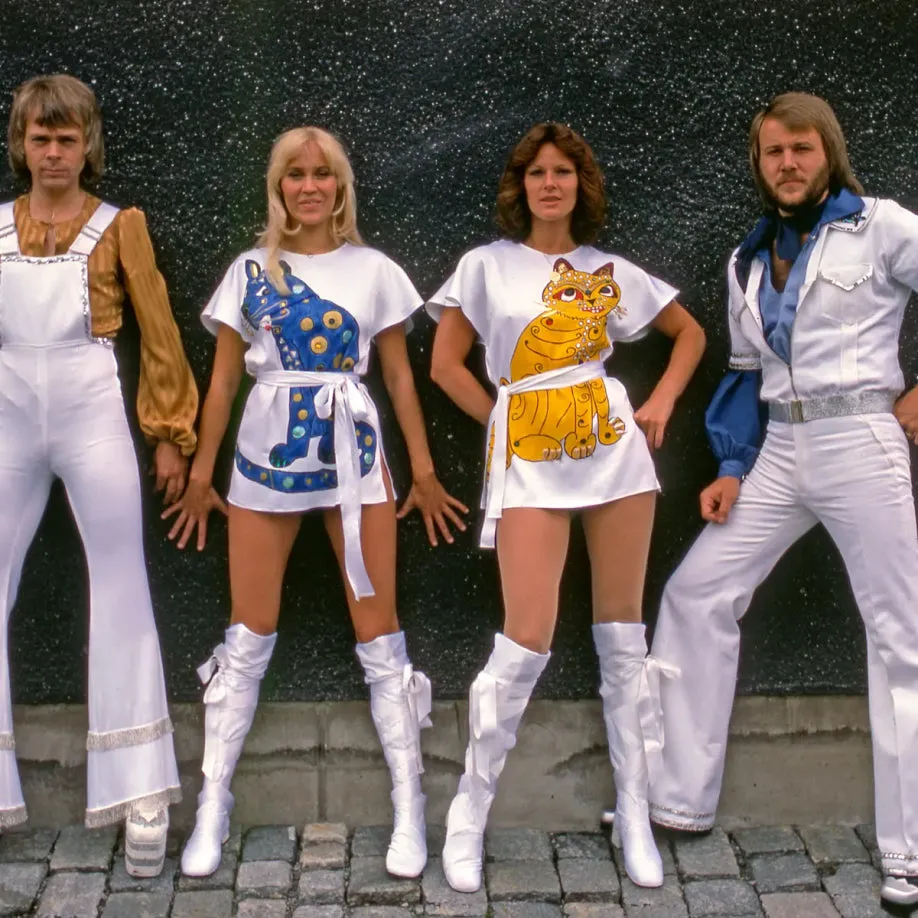 Photo: ABBA, via shop.abbathemuseum.com
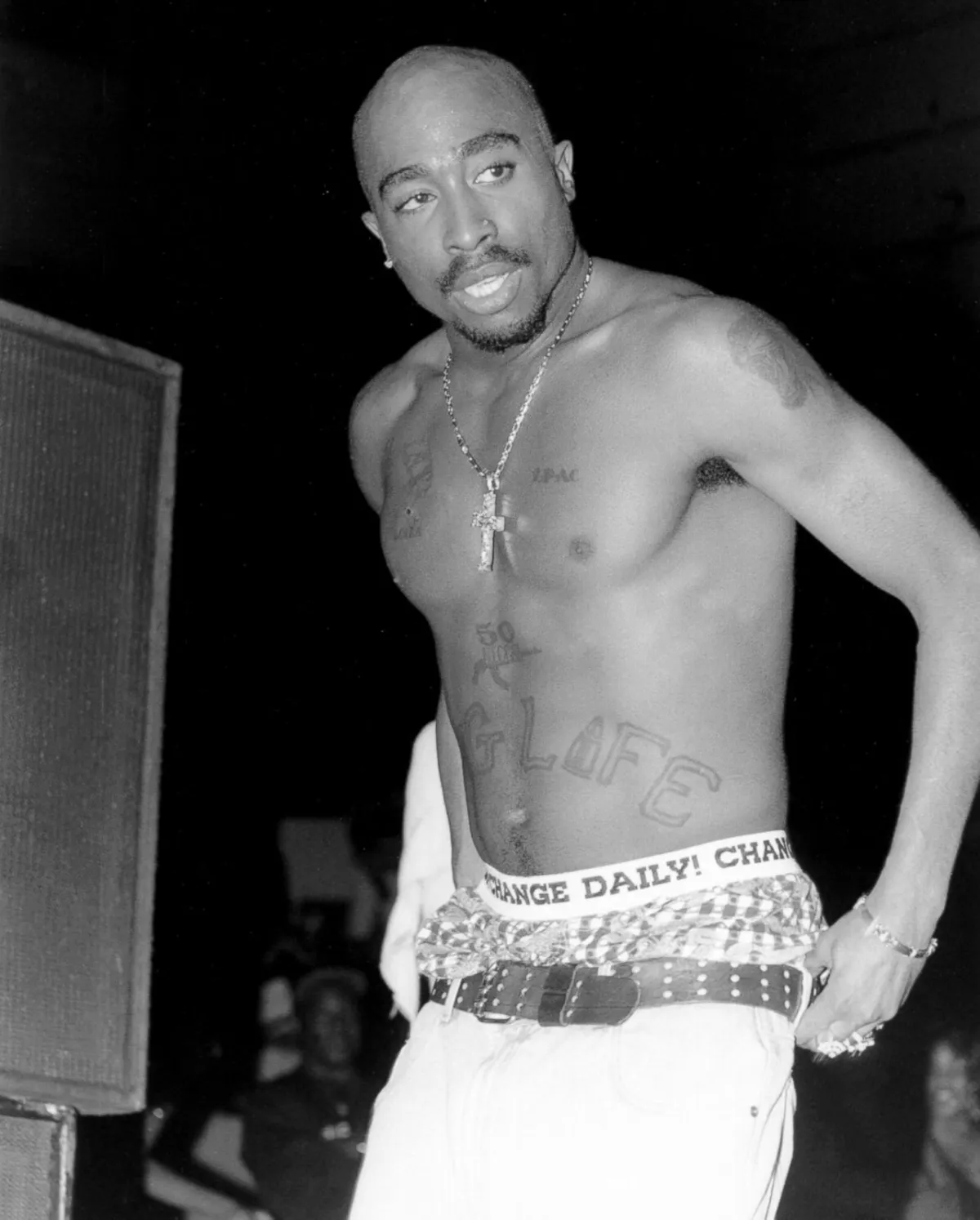 Photo: Tupac Shakur, via abcnews.go.com
But the technology has since moved well beyond tribute concerts and nostalgia tours. The frontier now involves living celebrities licensing their digital selves for ongoing commercial use — and not always with the transparency audiences might expect.
The Likeness License: Fame as a Tradeable Asset
In entertainment law circles, the conversation around personality rights and likeness licensing has exploded. Several high-profile talent agencies have quietly established dedicated divisions to manage AI likeness deals — negotiating terms under which a client's voice, face, or performance style can be used in perpetuity, or for a specified window, across defined categories of use.
The financial logic is straightforward: a celebrity who can generate brand revenue without blocking off calendar time, traveling, or physically showing up to set is a celebrity whose earning capacity has been dramatically expanded. For aging stars whose physical availability is limited, or for A-listers whose schedules are already maxed out, the digital double represents something close to a passive income stream built from fame itself.
Some deals, according to entertainment attorneys who have reviewed comparable contracts, include provisions for the AI output to be approved by the celebrity or their representatives before use. Others are broader, granting licensees significant latitude in how the likeness is deployed. The difference between those two structures is enormous — and the public rarely has any way of knowing which type of deal underpins the ad they just watched.
The Fan Trust Equation
Here is the question that the industry's financial enthusiasm tends to skip past: what do fans actually think they're seeing?
The parasocial relationship between a celebrity and their audience is built, in large part, on the belief that the person is present — that the performance, the interview, the social post, the appearance represents a genuine expression of a real human being. When that presence is simulated, the implicit contract gets complicated.
Fan communities, particularly those organized around musicians and actors with deeply devoted followings, have begun to push back. Online discussions about AI-generated celebrity content frequently surface themes of betrayal — a sense that the intimacy they believed they shared with a public figure has been revealed as, at least partially, a product. "I paid to see her," one fan wrote on a music forum after learning that a promotional video had used AI-generated footage of their favorite artist. "I didn't pay to see a very good guess at what she looks like."
This reaction is not universal. Younger audiences, raised on digital-native media and already fluent in the aesthetics of CGI and virtual influencers, tend to be more comfortable with the blurring of real and rendered. For them, authenticity is not necessarily located in physical presence. But that comfort level varies wildly across demographics, and the industry has been notably reluctant to surface the question for audiences to answer themselves.
Labor's Existential Moment
The AI likeness economy is not only a question of celebrity identity. It is a labor crisis with a very large blast radius. The 2023 SAG-AFTRA strike placed AI likeness protections at the center of contract negotiations for exactly this reason — studios and platforms had been seeking terms that would allow them to scan a background actor's face once, pay a day rate, and then use that likeness indefinitely across future productions. The implications for working actors, voice performers, stunt professionals, and the broader crew ecosystem are severe.
Celebrity likeness deals exist at the glamorous, well-compensated end of a spectrum that gets considerably darker very quickly. The same technology that allows a superstar to license their digital self for a luxury campaign can be used to replace a working voice actor with an AI clone of themselves, trained on their own past performances, at a fraction of the cost. The star profits. The working professional loses a career.
What Comes Next
Legislation is moving, slowly. Several states have passed or are considering laws that extend personality rights protections and require explicit consent for AI likeness use. At the federal level, the NO FAKES Act has been introduced — legislation that would create a national right of publicity specifically addressing AI-generated replicas. Whether it passes, and in what form, remains to be seen.
In the meantime, the deals are being signed, the avatars are being deployed, and most audiences are watching without any indication that the person they believe they're seeing was never actually in the room.
Fame, it turns out, doesn't need a body anymore — and that should unsettle all of us a lot more than it currently does.