The Silence Sellers: How Celebrity NDAs Have Weaponized Loyalty and Erased Entire Relationships From Public Record
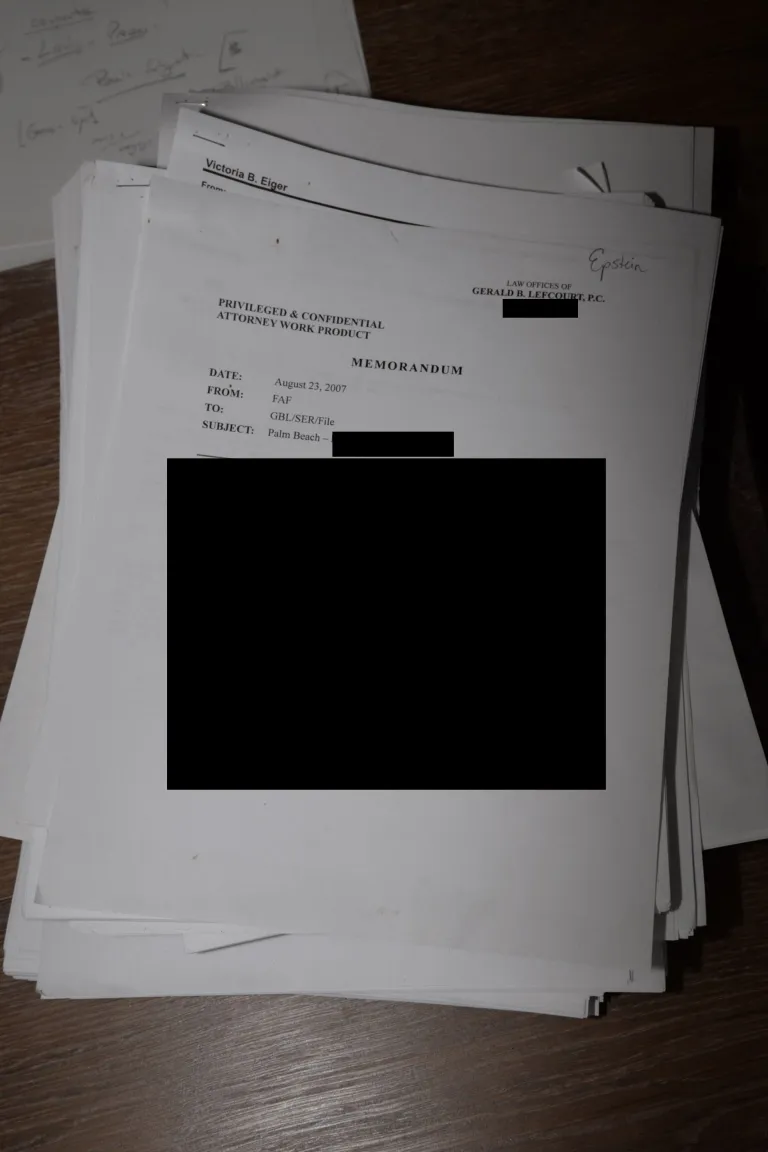
Photo: Federal Bureau of Investigation, Public domain, via Wikimedia Commons
The Paper Trail of Silence
Somewhere in a law office filing cabinet sits a non-disclosure agreement that could rewrite everything you think you know about your favorite celebrity. Multiply that by thousands, and you begin to understand the scope of Hollywood's most powerful weapon: the systematic legal silencing of anyone who gets close enough to see behind the curtain.
Non-disclosure agreements in Hollywood have evolved far beyond their original purpose of protecting legitimate business secrets. They've become instruments of relationship control, wielded not just against employees and business partners, but against friends, family members, romantic partners, and anyone else who might have an inconvenient story to tell.
The Expanding Circle of Silence
The modern celebrity NDA covers territories that would have seemed unthinkable just a decade ago. Personal trainers sign agreements that prevent them from discussing not just their client's fitness routine, but their eating habits, family dynamics, and personal conversations. Nannies are bound by contracts that extend years beyond their employment, covering everything from parenting styles to household arguments.
Even more troubling is the expansion into personal relationships. Ex-partners are routinely asked to sign NDAs as part of breakup negotiations, effectively purchasing their silence about the relationship's dynamics. Childhood friends find themselves presented with legal documents when their famous friend's career takes off, retroactively classifying decades of shared experiences as proprietary information.
"It's not just about protecting privacy anymore," explains one entertainment lawyer who specializes in NDA litigation. "It's about controlling narrative. These agreements don't just prevent people from talking to the press—they prevent them from talking to anyone, including therapists, family members, and future partners."
The Psychological Warfare of Legal Silence
The most insidious aspect of celebrity NDAs isn't what they prevent people from saying—it's how they change the fundamental nature of human relationships. When every conversation is potentially subject to legal scrutiny, genuine intimacy becomes nearly impossible.
Former employees describe the paranoia that sets in when you realize that expressing concern about your employer's behavior, even to a trusted friend, could result in career-ending litigation. The agreements often include provisions for "liquidated damages" that can reach into the millions of dollars, amounts that would bankrupt most ordinary people.
This creates a chilling effect that extends far beyond the specific terms of any individual agreement. People begin to self-censor not just their public statements, but their private thoughts and personal relationships.
The Friendship Firewall
Perhaps nowhere is the impact more visible than in celebrity friendships—or rather, in their conspicuous absence. Many A-list stars maintain remarkably small circles of genuinely close relationships, not because they're naturally antisocial, but because legal and professional considerations make authentic friendship nearly impossible.
"When someone's entire social circle is bound by NDAs, are those really friendships or are they just professional relationships with emotional components?" asks one former celebrity assistant who spoke on condition of anonymity. "When you can't share your real experiences with anyone, you start to question whether those experiences even happened."
The result is a strange form of isolation that money and fame can't solve. Celebrities often describe feeling lonely despite being surrounded by people, but rarely acknowledge that this loneliness might be partially self-imposed through legal strategy.
The Family Exception That Isn't
Even family relationships aren't immune to NDA culture. While blood relatives can't typically be bound by traditional employment-based NDAs, celebrities have found creative workarounds. Family members who work for the celebrity in any capacity—managing social media, handling business affairs, or even just receiving regular financial support—often find themselves subject to confidentiality agreements.
The most disturbing cases involve adult children of celebrities who discover that their childhood experiences are considered proprietary information belonging to their famous parent. Some have been presented with NDAs as a condition of continued family financial support or inheritance consideration.
When NDAs Go to War
The enforcement of these agreements has become increasingly aggressive. High-profile cases have established precedents that extend NDA coverage to areas that were previously considered protected speech, including discussions of workplace safety, illegal activity, and even personal trauma.
The threat of litigation is often enough to maintain silence, even when the underlying NDA might not be enforceable. The cost of defending against a celebrity's legal team, even successfully, can be financially devastating for ordinary individuals.
Some celebrities have reportedly used NDAs as offensive weapons, presenting them to people who have never worked for them or had any business relationship with them, simply as a way of preemptively preventing unwanted stories from emerging.
The Therapeutic Blind Spot
One of the most problematic aspects of expansive NDA culture is how it interferes with mental health treatment. Many agreements include language that could potentially prevent signatories from discussing their experiences even in therapy, creating barriers to processing trauma or emotional difficulties.
Therapists who work with entertainment industry clients describe having to navigate complex legal considerations when treating patients whose experiences are bound by confidentiality agreements. Some have been asked to sign NDAs themselves, creating ethical dilemmas about patient confidentiality versus legal obligations.
The Digital Amplification
Social media has dramatically expanded the scope and importance of celebrity NDAs. Agreements now routinely include provisions covering not just traditional media interviews, but social media posts, comments, likes, and even private messages that might be screenshot and shared.
The permanence and searchability of digital content means that a single careless post can violate an NDA years after it was signed, creating ongoing legal liability that follows people indefinitely.
The Counter-Revolution
Recently, some former celebrity employees and associates have begun challenging the enforceability of overly broad NDAs, particularly those that attempt to cover illegal activity or matters of public interest. High-profile cases have established that NDAs cannot be used to cover up criminal behavior or prevent reporting of workplace safety violations.
Some states have begun passing legislation limiting the scope of NDAs, particularly in employment contexts. However, these protections often don't extend to the personal relationships that make up much of a celebrity's inner circle.
The Price of Manufactured Privacy
The ultimate irony of celebrity NDA culture is that it often creates the very problems it's designed to solve. By legally preventing authentic relationships, celebrities become more isolated and potentially more prone to the kinds of personal difficulties that generate negative publicity.
The artificial nature of legally maintained privacy also makes genuine moments of vulnerability more valuable and sought-after by media outlets, creating perverse incentives for invasion of privacy in areas not covered by NDAs.
The Human Cost
Beyond the legal and professional implications, the widespread use of NDAs in celebrity culture represents a fundamental shift in how we understand human relationships and personal truth. When someone's life experiences become legally classified information, it raises questions about who owns our memories and whether authentic human connection is possible under such constraints.
The people who sign these agreements often describe a strange form of gaslighting, where their lived experiences are legally redefined as someone else's intellectual property. They become witnesses to their own lives who are prohibited from testifying about what they've seen.
As one former celebrity family member put it: "It's not just that you can't tell your story—you start to forget that it's your story to tell."
In a culture increasingly concerned with authentic expression and personal truth, the celebrity NDA industrial complex represents a powerful counterforce, one that prioritizes manufactured image over genuine human experience and treats relationships as potential legal liabilities rather than sources of meaning and connection.