The Loyalty Test: When Celebrities Publicly Back Their Famous Friends — And Immediately Regret It
In Hollywood, loyalty is currency — until it becomes liability. The entertainment industry runs on relationships, mutual back-scratching, and public displays of solidarity. But what happens when that friend you just defended on Instagram turns out to be exactly as problematic as everyone said? Welcome to the celebrity loyalty minefield, where good intentions meet career suicide.
The Armie Hammer Avalanche
When cannibalism allegations surfaced against Armie Hammer in 2021, his Call Me By Your Name co-star Timothée Chalamet faced immediate pressure to comment. Smart money stayed quiet, but other celebrities weren't so strategic. Several industry figures had already gone on record praising Hammer's character and professionalism, statements that aged like milk in the desert sun.
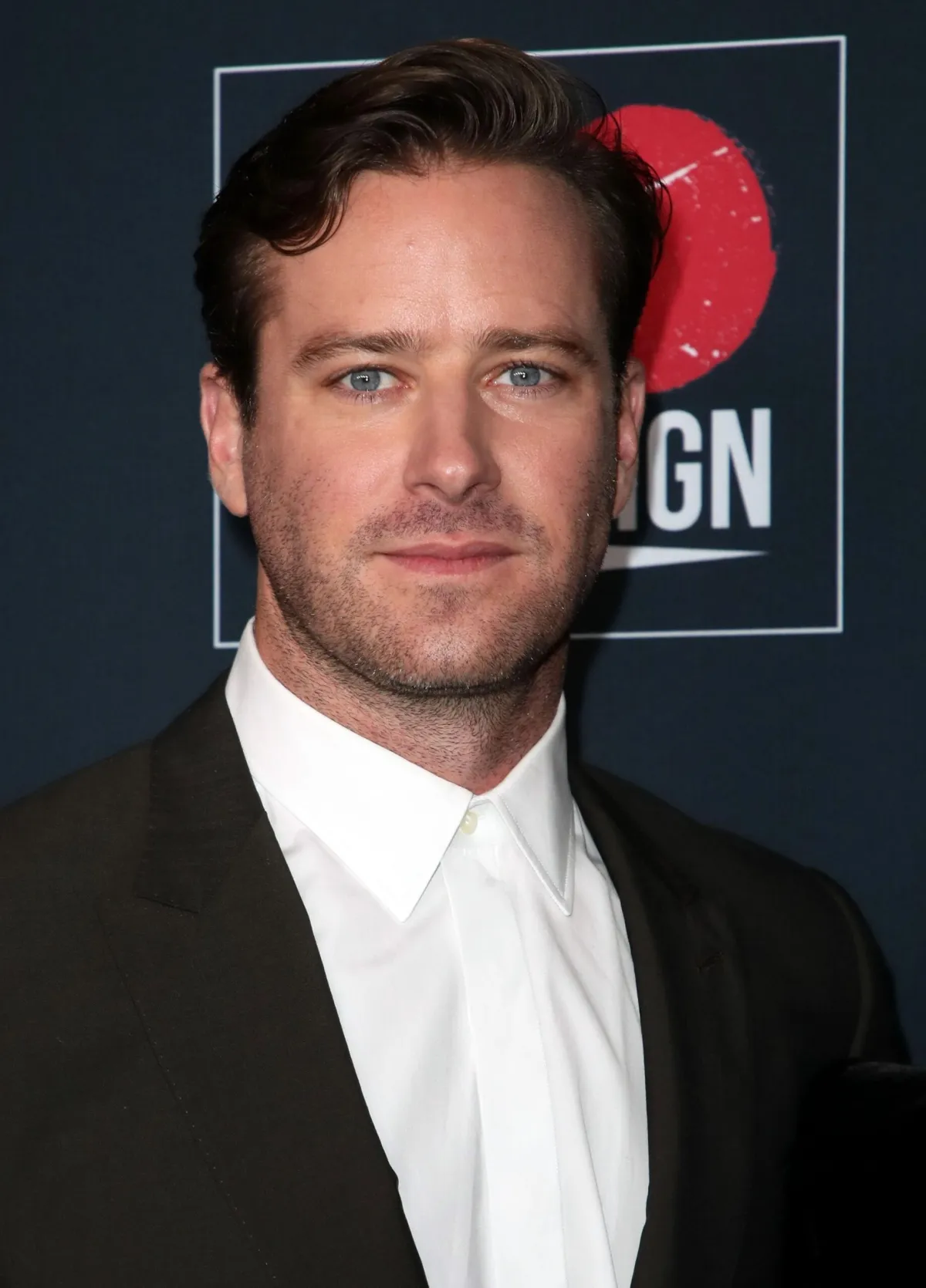 Photo: Armie Hammer, via www.tvinsider.com
The lesson? In the social media age, every public endorsement becomes a permanent receipt. Stars who had casually praised Hammer in interviews found their old quotes weaponized against them, forcing awkward clarifications and strategic amnesia about their working relationships.
The Kanye Conundrum
Kim Kardashian's years-long public defense of Kanye West's increasingly erratic behavior culminated in one of the most spectacular loyalty failures in recent memory. For years, Kim explained away his outbursts, defended his "genius," and asked for public patience with his mental health struggles. Then came the antisemitic comments, and suddenly every previous defense looked like enabling.
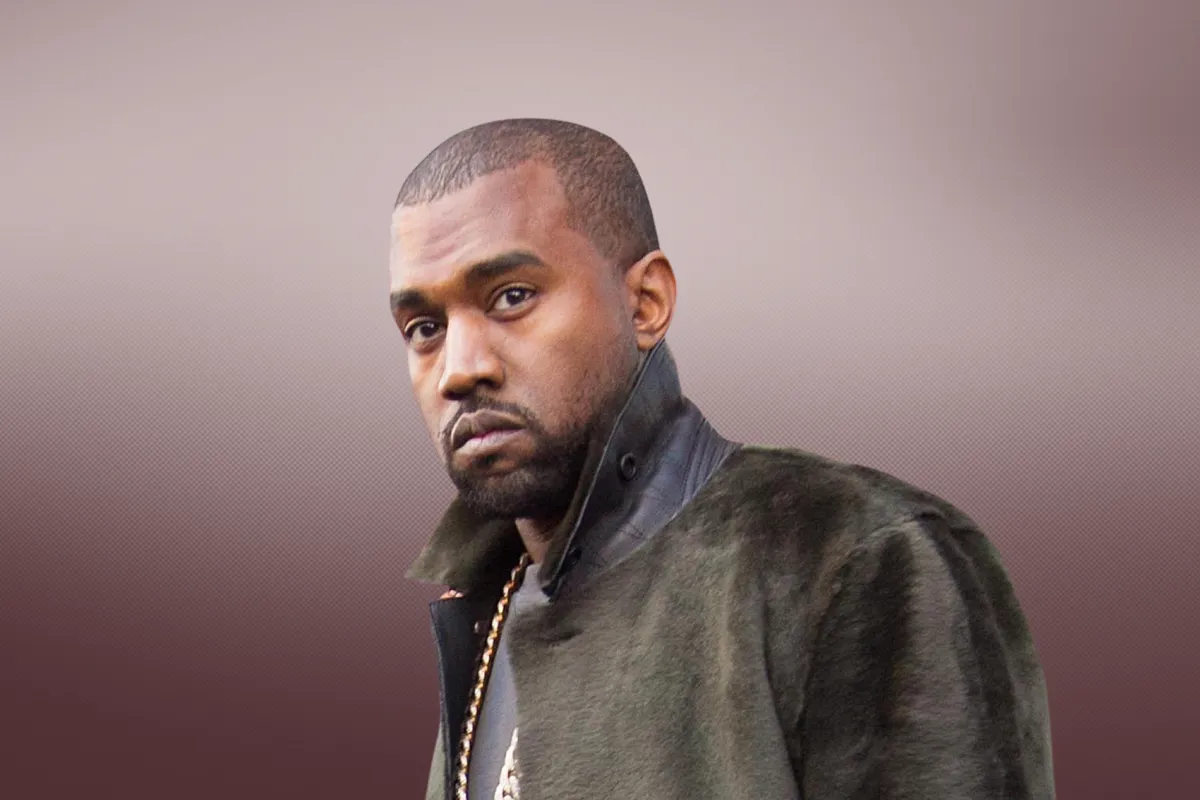 Photo: Kanye West, via allhiphop.com
The Kardashian family's delayed response to Kanye's hate speech highlighted the impossible position celebrity loyalty can create. How do you publicly distance yourself from someone whose behavior you've spent years justifying? Kim's eventual condemnation felt necessary but also highlighted how her previous solidarity had provided cover for increasingly dangerous rhetoric.
The Joss Whedon Defenders
When Justice League actor Ray Fisher accused director Joss Whedon of abusive behavior on set, several Whedon collaborators rushed to his defense. Buffy alumni like Sarah Michelle Gellar and Charisma Carpenter initially stayed quiet, but when more allegations emerged, some early defenders found themselves on the wrong side of history.
The Whedon situation revealed how Hollywood's "family" dynamics can blind people to abuse. Stars who had positive experiences with a director felt compelled to defend him, not realizing that their good times didn't negate someone else's trauma. The public loyalty became ammunition against the accusers, making the eventual revelations even more damaging.
The Ellen Effect
For years, celebrity guests gushed about Ellen DeGeneres's kindness and generosity. Stars like Jennifer Aniston, Justin Timberlake, and Portia de Rossi regularly praised Ellen's character and defended her against criticism. When workplace toxicity allegations finally stuck in 2020, these public endorsements became uncomfortable artifacts.
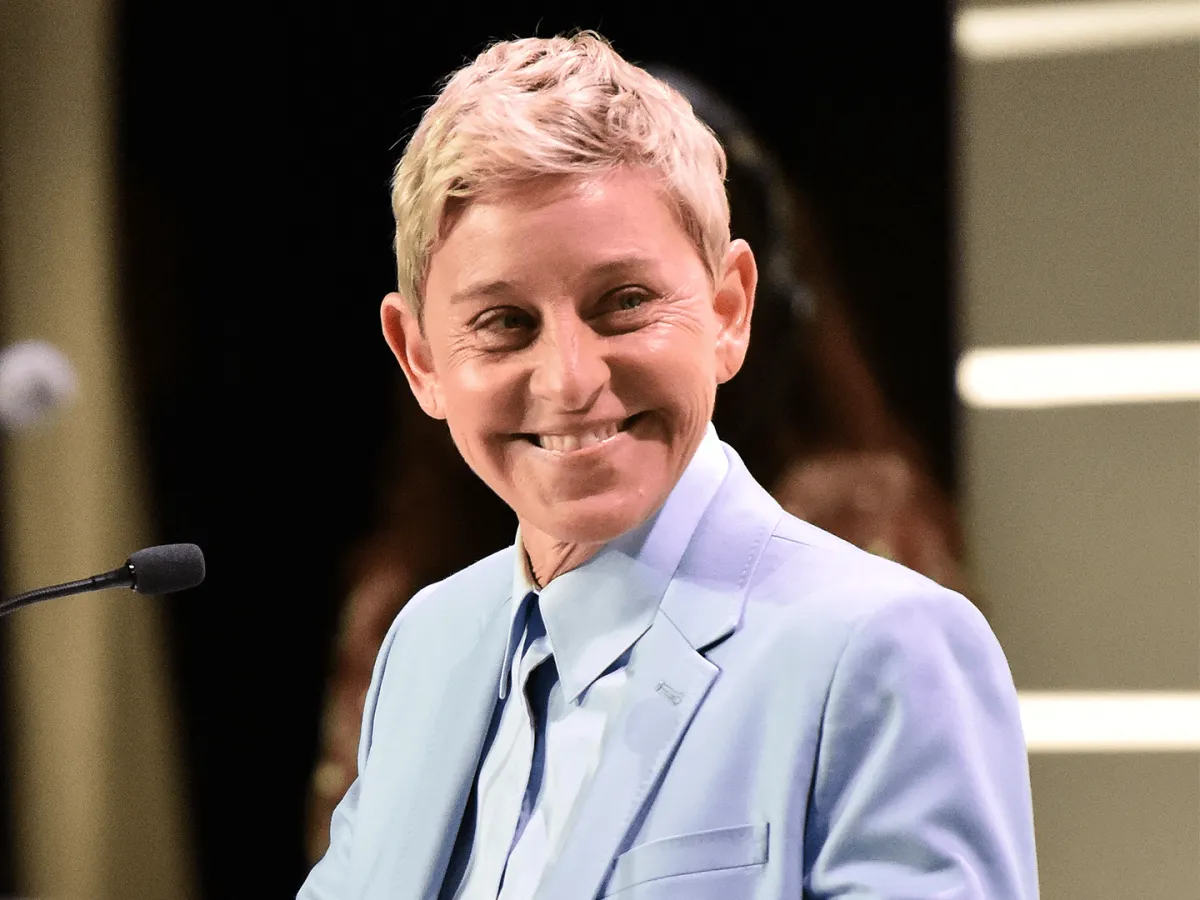 Photo: Ellen DeGeneres, via www.sheknows.com
The Ellen situation was particularly tricky because many celebrities genuinely had positive personal experiences with her. Their loyalty wasn't calculated — it was based on real relationships. But their public defenses inadvertently helped maintain a toxic workplace by reinforcing Ellen's "be kind" brand while her staff suffered behind the scenes.
The Method Behind the Madness
Why do celebrities keep making this mistake? The answer lies in Hollywood's unique social ecosystem. In an industry built on personal relationships and public image, refusing to support a friend can seem like career suicide. But supporting the wrong friend can be actual career suicide.
There's also the bubble effect. When you're wealthy and famous, you're often surrounded by people who have a vested interest in maintaining your goodwill. Friends, agents, and publicists all benefit from keeping you happy, which means you might not hear the full truth about someone's behavior until it's too late.
The Strategic Silence Revolution
Smart celebrities are learning to weaponize silence. When Harvey Weinstein was arrested, notice which A-listers immediately condemned him and which ones went mysteriously quiet on social media. The silent treatment has become its own form of communication — a way to distance yourself without explicitly throwing someone under the bus.
This strategic silence isn't just about self-preservation; it's about avoiding the loyalty trap entirely. Why risk your reputation defending someone when you can simply... not? The absence of support becomes the statement.
The Friendship Audits
Some celebrities have started conducting what industry insiders call "friendship audits" — preemptively distancing themselves from potentially problematic associates before scandals break. This calculated approach to relationships might seem cold, but it's increasingly necessary in an environment where guilt by association is real.
The audit process reportedly includes social media scrubbing, declining photo opportunities, and gradually reducing public interactions. It's friendship breakup by strategic fade-out, designed to minimize collateral damage when the inevitable happens.
The Double Standard Dilemma
The loyalty trap affects different celebrities differently. Women who defend problematic men are often judged more harshly than men who do the same. People of color face additional scrutiny when supporting controversial figures. The intersectionality of celebrity loyalty creates a complex web of expectations and consequences.
Meanwhile, some celebrities seem immune to loyalty backlash. Their previous defenses of problematic figures get memory-holed while others face ongoing criticism for similar actions. The inconsistency reveals how much celebrity loyalty consequences depend on your existing public image and cultural capital.
The Receipts Generation
Social media has turned every celebrity statement into permanent evidence. Screenshots live forever, old interviews resurface at inconvenient moments, and deleted tweets become smoking guns. This digital permanence has raised the stakes of public loyalty exponentially.
Young celebrities who grew up online seem more aware of these risks. They're more likely to stay quiet during controversies, understanding that today's defense could become tomorrow's cancellation. It's a more cautious approach to friendship, but arguably a smarter one.
The New Rules of Celebrity Solidarity
Smart celebrities are developing new strategies for navigating loyalty in the digital age. Instead of blanket defenses, they offer qualified support ("I can only speak to my experience"). Instead of immediate reactions, they wait for more information. Instead of public statements, they show support privately.
The entertainment industry is slowly learning that blind loyalty is a luxury it can no longer afford. In an environment where every association is scrutinized and every defense is weaponized, the safest friendship might be the one nobody knows about.
The loyalty test isn't going anywhere — if anything, it's getting harder. But celebrities who learn to navigate it successfully will find that strategic friendship management is just as important as talent, timing, or luck. Sometimes the best way to support a friend is to support them quietly, away from the cameras and the Twitter feeds that turn every gesture into a potential career-ending mistake.