The Identity Escape Room: Why Hollywood's Biggest Stars Keep Changing Their Names — And What They're Really Running From

Photo: Pjotr Mahhonin, CC BY-SA 3.0, via Wikimedia Commons
The Identity Escape Room: Why Hollywood's Biggest Stars Keep Changing Their Names — And What They're Really Running From
In the span of just two years, we've watched The Weeknd become Abel Tesfaye, Grimes transform into c, and a parade of other celebrities quietly shed their stage names like snakes discarding old skin. What started as isolated incidents has become a full-blown trend that's reshaping how we think about celebrity identity in the digital age.
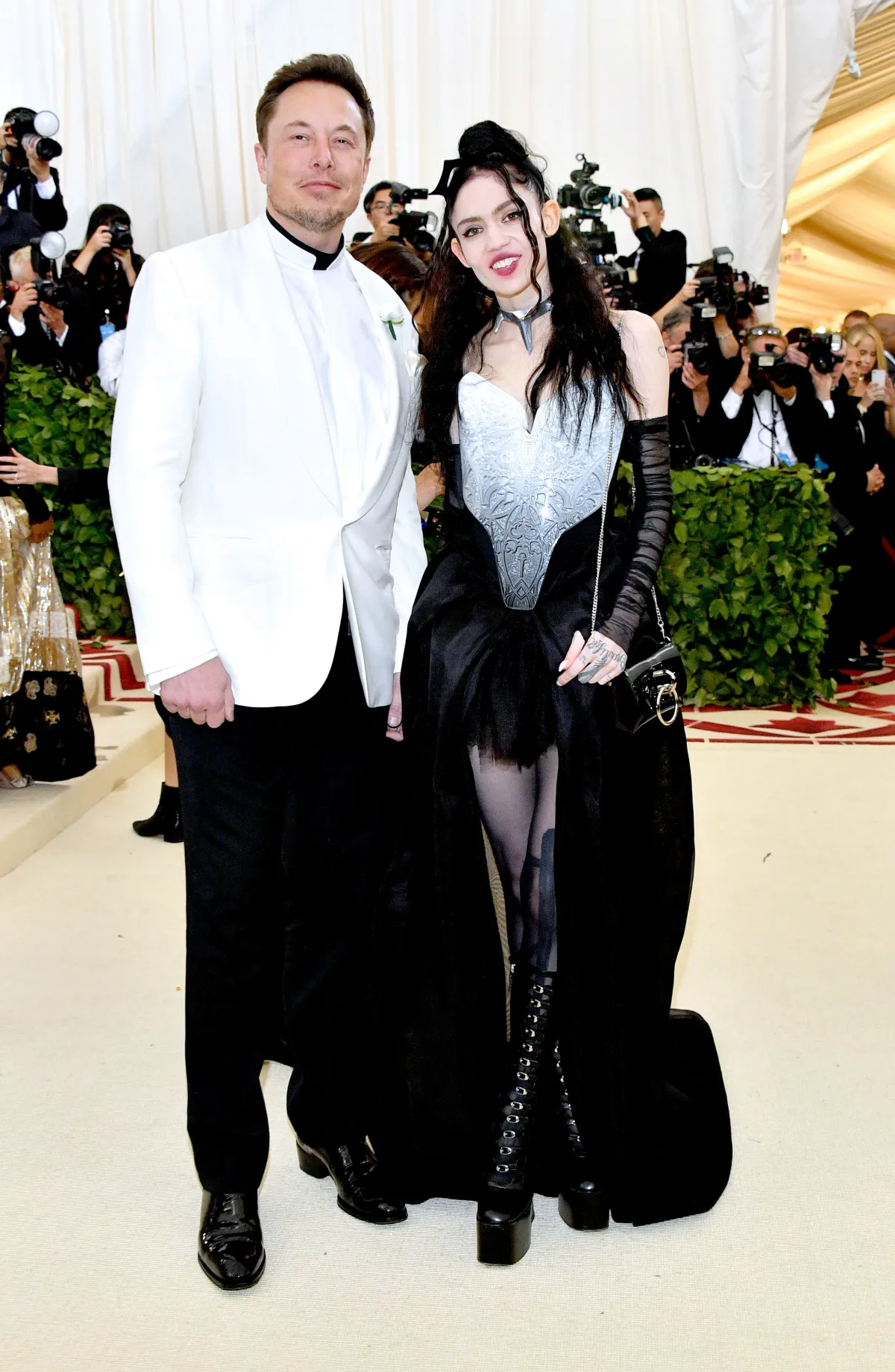 Photo: Grimes, via assets.vogue.com
 Photo: The Weeknd, via wallpapercave.com
But here's the thing about sudden name changes in Hollywood: they're rarely just about "artistic evolution." More often, they're strategic maneuvers designed to outrun controversy, reset public perception, or game the algorithm gods who control modern fame. Welcome to the era of the celebrity identity escape room, where your past is just a rebrand away.
The Algorithm Reset Strategy
In 2021, The Weeknd announced he was transitioning to using his real name, Abel Tesfaye, for future projects. The official explanation? Artistic maturity and a desire for authenticity. The unofficial reality? A calculated attempt to separate his brand from years of controversial lyrics and problematic associations that had begun affecting his mainstream appeal.
"Name changes in the digital era aren't just about personal reinvention," explains brand strategist Marcus Chen, who's worked with several A-list rebrands. "They're about SEO manipulation, algorithm confusion, and creating clean slates in search results. When you Google a new name, you're not immediately confronted with old controversies."
The strategy is surprisingly effective. Search "Abel Tesfaye" and you'll find recent interviews about artistic growth and maturity. Search "The Weeknd" and you're more likely to encounter think pieces about his earlier, more problematic content.
The Controversy Cleanse
Grimes' evolution from Claire Boucher to c represents perhaps the most transparent example of using name changes for reputation management. The shift coincided with increased scrutiny over her relationship with Elon Musk and criticism of her political statements that alienated much of her progressive fanbase.
By adopting a minimalist moniker that's nearly impossible to Google effectively, Grimes created a buffer between her new artistic output and the baggage of her previous persona. It's genius-level damage control disguised as artistic minimalism.
"The shorter and more generic the new name, the harder it becomes to connect to past controversies," notes digital reputation expert Dr. Lisa Park. "It's like witness protection for celebrities."
The Legal Liberation
Some name changes serve more practical purposes — specifically, escaping restrictive contracts or legal entanglements tied to their original stage names. When artists sign with major labels, they often surrender trademark rights to their stage names, creating complicated ownership issues that can last decades.
Prince's symbol phase wasn't just artistic rebellion — it was a legal strategy to escape his contract with Warner Bros. while maintaining creative control. Similarly, several contemporary artists have quietly adopted new names to circumvent similar restrictions.
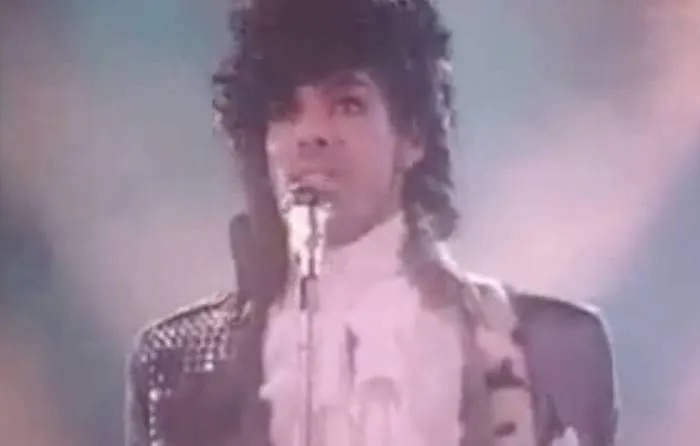 Photo: Prince, via img.nowness.com
"Record labels essentially own your identity when they own your stage name," explains entertainment lawyer Jennifer Walsh. "Changing your name can be the only way to truly own your artistic output again."
The Generation Gap Bridge
For some established stars, name changes represent attempts to connect with younger audiences who might view their original personas as outdated or irrelevant. Madonna's brief flirtation with "M" in the early 2000s was widely mocked, but it reflected a real challenge: how do you stay relevant when your name is synonymous with a different era?
More recently, we've seen subtle variations of this strategy. Jennifer Lopez's return to "J.Lo" for certain projects, Will Smith's occasional use of "Fresh Prince" branding, and other celebrities selectively deploying different versions of their names depending on the target audience.
The Social Media Optimization Game
The rise of TikTok and Instagram has created new pressures around name recognition and searchability. Celebrities are increasingly choosing names that work well as hashtags, handles, and search terms across multiple platforms.
"Your name needs to be platform-agnostic now," explains social media strategist Alex Rivera. "It needs to work as an Instagram handle, a TikTok username, a Twitter hashtag, and a YouTube channel name. Traditional stage names often don't translate well to digital formats."
This explains why newer celebrities often choose shorter, more distinctive names that work well across all platforms. It also explains why established stars are retrofitting their identities to work better in digital spaces.
The International Appeal Factor
Globalization has made name accessibility crucial for worldwide success. Names that are difficult to pronounce or culturally specific can limit international appeal, leading some artists to adopt more universally accessible alternatives.
The shift often happens gradually — using initials instead of full names, adopting nicknames that are easier for non-native speakers, or choosing entirely new names that work across multiple languages and cultures.
The Mental Health Angle
Beyond strategic considerations, some name changes reflect genuine personal growth and healing. For celebrities who became famous young, their stage names can feel like prisons that lock them into personas they've outgrown.
"When your name becomes synonymous with a period of your life you're trying to move past — whether that's addiction, toxic relationships, or just immaturity — changing it can be genuinely therapeutic," notes celebrity therapist Dr. Rachel Green, who's worked with several stars through identity transitions.
This appears to be the case with several recent changes, where celebrities have explicitly connected their name shifts to personal growth, sobriety, or other major life changes.
The Backlash Risk
Not all celebrity name changes succeed. When the motivation feels transparent or inauthentic, audiences can rebel. Sean Combs' multiple name changes (Puff Daddy to P. Diddy to Diddy to Love) became a running joke that undermined rather than enhanced his brand.
"The key is making it feel organic rather than calculated," advises brand consultant Maria Santos. "Audiences can smell desperation, and obvious attempts to escape controversy often backfire by drawing more attention to whatever you're trying to escape."
The Future of Celebrity Identity
As digital footprints become permanent and cancel culture makes past mistakes harder to escape, expect name changes to become even more common. We're already seeing celebrities proactively register multiple names and variations to give themselves options for future rebrands.
Some industry insiders predict we'll see more "era-based" naming, where celebrities use different names for different phases of their careers, similar to how David Bowie used different personas.
"The idea of having one fixed identity throughout your entire career is becoming obsolete," predicts futurist and media analyst Dr. James Wright. "Future celebrities will likely have multiple identities they can deploy strategically depending on their current projects and public perception."
What's In a Name, Really?
Ultimately, the celebrity name-change wave reflects broader questions about identity, authenticity, and redemption in the digital age. In a world where everything is archived and nothing is forgotten, the ability to reinvent yourself becomes not just artistic freedom, but psychological necessity.
Whether it's genuine evolution or sophisticated damage control, one thing is clear: in Hollywood, your name is just another tool in the image management toolkit — and like any tool, it can be upgraded, modified, or completely replaced when it stops serving your purposes.
The only constant in celebrity identity these days is change itself, and smart stars are planning for their next reinvention before they even need it.