The Algorithm All-Stars: How Streaming Platforms Created a New Species of Celebrity
Photo: Internet Archive Book Images, No restrictions, via Wikimedia Commons
The New Fame Formula
Forget box office receipts and opening weekends. The new currency of stardom is measured in hours watched, completion rates, and social media engagement. While traditional Hollywood was still figuring out how to make streaming work, a completely new tier of celebrity was quietly emerging from the algorithm — stars who built their fame entirely within the confines of Netflix queues, Hulu recommendations, and Max autoplay features.
These aren't actors who transitioned from theaters to streaming; they're digital natives who bypassed the traditional celebrity pipeline entirely. They've never walked a red carpet for a major studio premiere, never had their faces plastered on billboards for summer blockbusters, and never needed the approval of theatrical audiences to build massive, devoted fanbases.
Meet the streaming aristocracy: a new class of A-lister that traditional Hollywood is still trying to understand, categorize, and most importantly, control.
The Platform Princes and Princesses
The streaming star ecosystem operates on completely different principles than traditional celebrity culture. Where movie stars built their fame through carefully curated public appearances and magazine covers, streaming celebrities live in the intimate spaces of their audience's homes. They're not distant figures on silver screens; they're the familiar faces that appear in living rooms week after week, season after season.
Consider the phenomenon of actors like Penn Badgley, whose career was transformed not by a blockbuster movie but by Netflix's "You." Or look at the cast of "Stranger Things," who went from unknown child actors to global superstars without ever headlining a theatrical release. These performers built their celebrity entirely through binge-watching culture, developing the kind of parasocial relationships with audiences that movie stars used to spend decades cultivating.
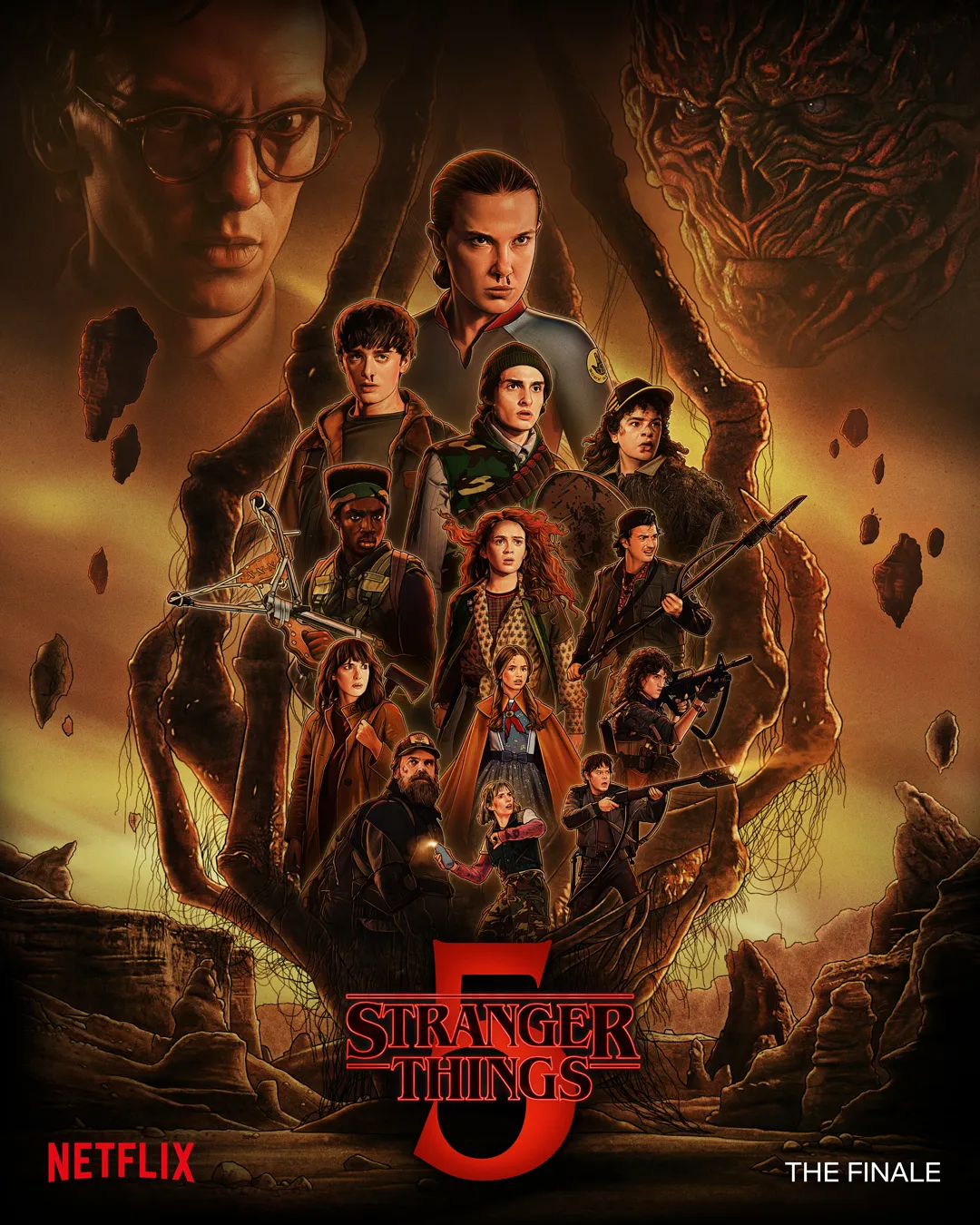 Photo: Stranger Things, via www.whats-on-netflix.com
 Photo: Penn Badgley, via thumbs.dreamstime.com
The numbers tell the story: streaming platforms are creating stars who command social media followings that rival traditional A-listers, negotiate eight-figure deals, and influence pop culture conversations — all without the traditional markers of movie star success.
The Intimacy Advantage
Streaming celebrity operates on a fundamentally different psychological principle than theatrical fame. Movie stars are aspirational figures — larger than life, glamorous, and slightly untouchable. Streaming stars are relational figures — they feel like friends, family members, or people you might actually know in real life.
This intimacy creates a different kind of star power. Streaming celebrities don't need to maintain the mystique that traditionally protected movie stars. Instead, they thrive on accessibility, authenticity, and the feeling that they're letting audiences into their real lives. Social media becomes an extension of their on-screen presence rather than a carefully managed PR tool.
The result is a fan relationship that's more intense and personal than traditional celebrity worship. Streaming audiences don't just admire their favorite stars; they feel genuinely connected to them. This emotional investment translates into incredibly loyal fanbases that follow these celebrities across platforms, projects, and even career changes.
The Economics of Algorithm Fame
Streaming platforms have fundamentally altered the economics of stardom. Traditional movie stars needed massive marketing budgets, international distribution networks, and carefully orchestrated publicity campaigns to build global recognition. Streaming stars can achieve worldwide fame through the organic reach of platform algorithms and social media virality.
This new model is incredibly cost-effective for both platforms and performers. Netflix can create a global superstar for the cost of a single season of television, while actors can build career-defining fame without the traditional gatekeepers of agents, managers, and studio executives controlling every aspect of their public image.
The financial rewards can be staggering. Top-tier streaming stars are now commanding salaries that rival traditional movie stars, often with more creative control and better working conditions. The platforms need these celebrities as much as the celebrities need the platforms, creating a more balanced power dynamic than the traditional studio system ever provided.
The Cultural Impact Revolution
Streaming celebrities aren't just changing how fame works — they're reshaping what it means to be culturally relevant. Traditional movie stars influenced fashion, lifestyle trends, and social conversations through carefully managed public appearances and magazine profiles. Streaming stars shape culture through memes, social media interactions, and the kind of authentic engagement that feels more like peer influence than celebrity endorsement.
The global reach of streaming platforms has also created the first truly international celebrity ecosystem. A Korean actor can become a household name in Ohio through a Netflix series, while British performers can build massive American fanbases without ever setting foot in Hollywood. Geographic boundaries that once limited celebrity reach have essentially disappeared.
This democratization of fame has profound implications for representation and diversity in entertainment. Streaming platforms, driven by data rather than traditional industry biases, have been more willing to bet on unconventional stars and diverse stories that might never have gotten theatrical distribution.
The Fragility of Digital Stardom
But streaming celebrity comes with unique vulnerabilities that traditional movie stars never faced. When your entire career is built on a single platform's algorithm and recommendation system, you're essentially one corporate decision away from obscurity. Shows get cancelled, platforms change direction, and algorithms shift in ways that can instantly diminish a star's visibility.
The recent trend of platforms removing content for tax write-offs has highlighted just how precarious streaming-based fame can be. Imagine if movie theaters could retroactively erase classic films from history — that's essentially what happens when streaming platforms delete shows that launched careers.
Streaming stars also face the challenge of translating their digital fame into lasting career sustainability. While they may have massive social media followings and devoted fanbases, it remains unclear whether this type of celebrity has the staying power and cross-media appeal of traditional movie stardom.
The Traditional Hollywood Response
Established Hollywood institutions are still figuring out how to relate to streaming celebrities. Award shows struggle to categorize their work. Talent agencies are adapting their strategies to represent stars whose fame doesn't follow traditional patterns. Movie studios are increasingly looking to streaming platforms to identify their next potential blockbuster leads.
The result is a fascinating culture clash between old and new celebrity systems. Traditional movie stars are pivoting to streaming to maintain relevance, while streaming stars are attempting to break into theatrical releases to legitimize their fame. The boundaries between different types of celebrity are blurring in real time.
The Future of Fame
As streaming platforms continue to dominate entertainment consumption, their model of celebrity creation will likely become the dominant force in star-making. The question isn't whether streaming celebrities are "real" stars — it's whether traditional movie stardom will survive in its current form.
The streaming revolution has proven that audiences don't need theaters to form deep emotional connections with performers, and platforms don't need traditional distribution models to create global superstars.
The algorithm has spoken, and it's creating its own constellation of stars that shine just as brightly as any Hollywood legend — they just happen to live in your Netflix queue instead of on the big screen.