When Plan B Becomes Pure Gold
Hollywood loves a good origin story, but the industry's most fascinating tales aren't always about the chosen ones — they're about the backups who accidentally became superstars. While casting directors obsess over finding the "perfect" actor for a role, some of cinema's most iconic performances came from people who were literally anyone's second choice.
The entertainment industry runs on calculated risks and carefully curated images, but every so often, pure chaos creates magic. When original casting falls through due to scheduling conflicts, creative differences, or plain old cold feet, the replacement actors who step in don't just fill the void — they completely redefine what the role could be.
The Accidental Icons
Take Harrison Ford's Han Solo, arguably one of the most beloved characters in film history. Ford wasn't even auditioning for the role — he was working as a carpenter, building cabinets for George Lucas when he got pulled into reading lines with other actors. The original frontrunners included established names, but Ford's natural charisma and slightly sarcastic delivery turned what could have been a standard space hero into the galaxy's most charming scoundrel.
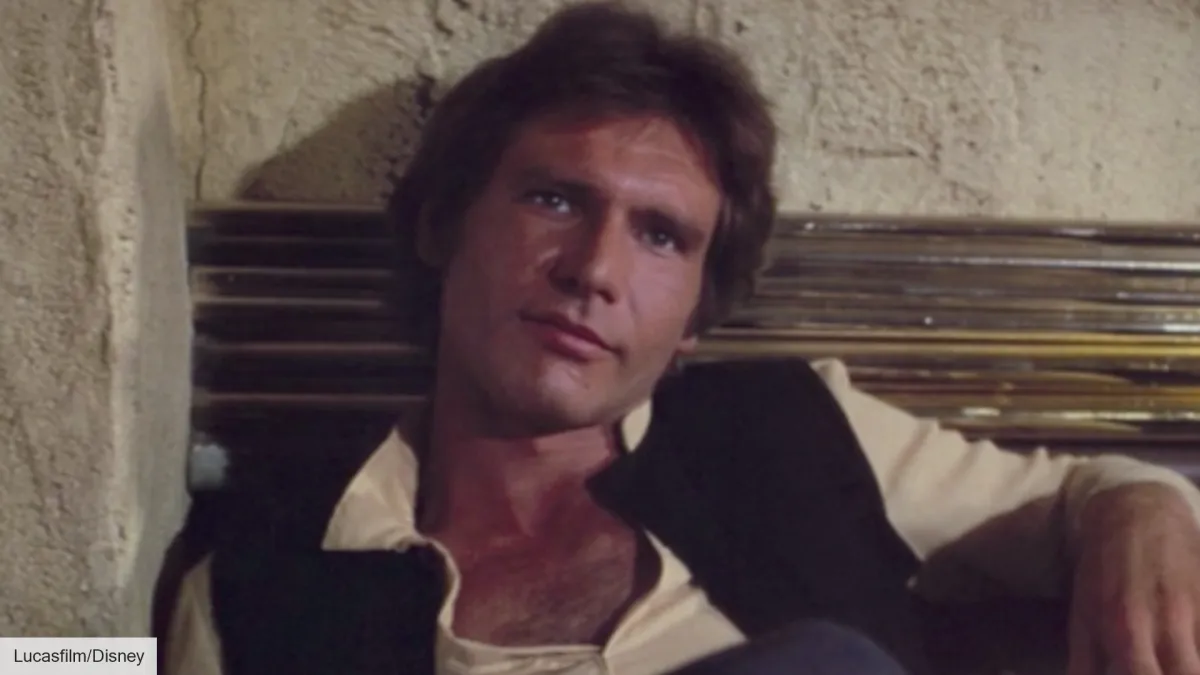 Photo: Harrison Ford, via www.thedigitalfix.com
Then there's the legendary case of Michael J. Fox in "Back to the Future." Eric Stoltz had already filmed several weeks of footage when director Robert Zemeckis made the brutal decision to replace him. The studio panicked about the cost of reshooting, but Fox's manic energy and perfect comedic timing transformed Marty McFly from a generic teenager into a character that defined a generation. Stoltz went on to have a respectable career, but Fox became a household name.
When Chemistry Trumps Everything
The most fascinating aspect of these casting switcheroos isn't just individual talent — it's the unpredictable magic of on-screen chemistry. Julia Roberts wasn't the first choice for "Pretty Woman," but her infectious laugh and genuine vulnerability turned what was originally conceived as a much darker film into a romantic comedy classic. The role that other actresses passed on became Roberts' star-making moment and essentially created the modern rom-com template.
Similarly, John Travolta's Danny Zuko in "Grease" happened because Henry Winkler, riding high on his Fonzie fame, turned down the role to avoid being typecast. Travolta's natural singing ability and dance moves didn't just fill the part — they elevated the entire production and launched him into the stratosphere.
The Billion-Dollar Backup Plans
Some replacement casting decisions have literally reshaped entire franchises. When Richard Gere stepped in for John Travolta in "American Gigolo," he didn't just take over a role — he established himself as Hollywood's go-to leading man for complex, morally ambiguous characters. The film's success led directly to "Pretty Woman" and cemented Gere's place in the A-list hierarchy.
More recently, Robert Downey Jr.'s Tony Stark wasn't Marvel's first choice, but his improvised "I am Iron Man" line at the end of the first film literally launched the Marvel Cinematic Universe as we know it. The studio took a massive gamble on an actor coming back from personal struggles, and that bet paid off to the tune of billions of dollars.
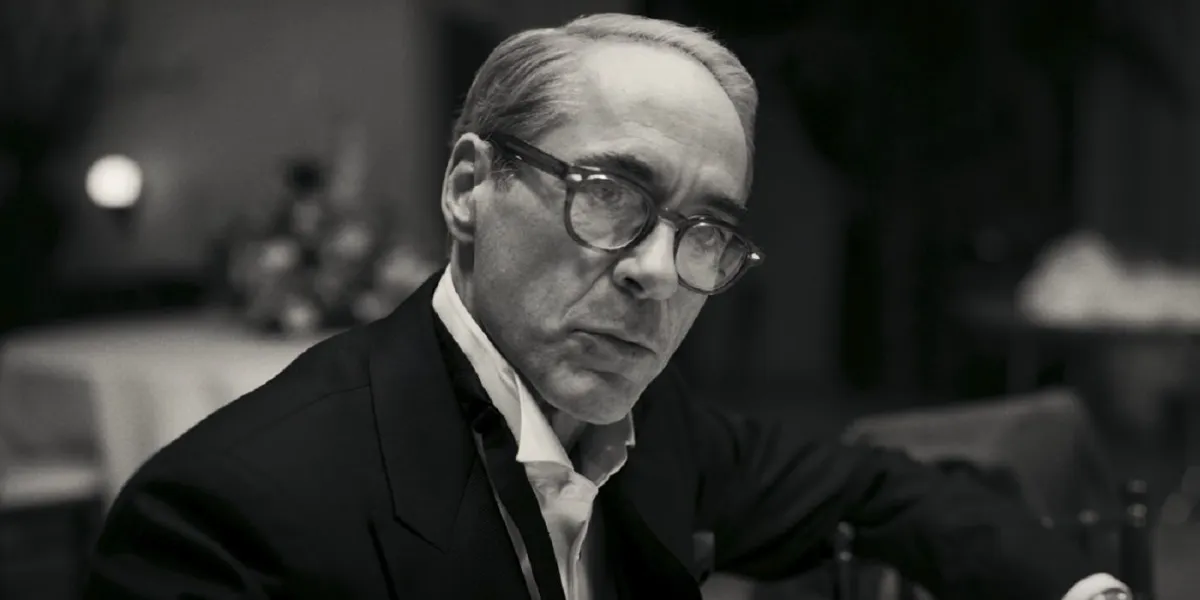 Photo: Robert Downey Jr., via static1.cbrimages.com
The Psychology of the Perfect Miscast
What makes these accidental castings work so well often comes down to authenticity. When actors aren't desperately chasing a role, they bring a different energy to the audition room. They're more relaxed, more willing to make bold choices, and less concerned with giving the "right" performance versus the interesting one.
Industry insiders often talk about how the best performances come from actors who almost didn't get the part. There's something about being the underdog, the second choice, the backup plan that seems to unlock a special kind of magic on screen.
The Ripple Effect
These casting switcheroos don't just affect individual careers — they reshape entire Hollywood trajectories. When one actor steps into a role that makes them a star, it creates a domino effect that influences casting decisions for decades. The success of unlikely choices has made studios more willing to take risks on unknown quantities or actors against type.
The phenomenon also highlights how much of Hollywood success comes down to pure timing and luck. Talent matters, but being in the right place at the right moment when someone else drops out might matter even more.
The Modern Backup Revolution
Today's streaming era has created even more opportunities for backup casting to create stars. With multiple projects filming simultaneously and actors juggling packed schedules, last-minute replacements are more common than ever. The difference now is that social media amplifies these success stories, turning casting near-misses into viral content that builds even more mystique around the final choice.
The lesson for Hollywood? Sometimes the best casting decision is the one you never planned to make, and the most memorable performances come from actors who weren't trying to be memorable — they were just trying to do the job.