The Art of Making Problems Disappear
For every celebrity scandal that dominates headlines for weeks, there are dozens of stories that never see the light of day. Not because they didn't happen, but because someone wrote a very large check to ensure they stayed buried. Welcome to Hollywood's most expensive industry: the business of buying silence.
The entertainment industry has perfected the art of damage control to a degree that would make political operatives jealous. Through a combination of non-disclosure agreements, strategic settlements, and what insiders euphemistically call "reputation management," the biggest names in Hollywood have managed to keep their darkest secrets locked away tighter than Fort Knox.
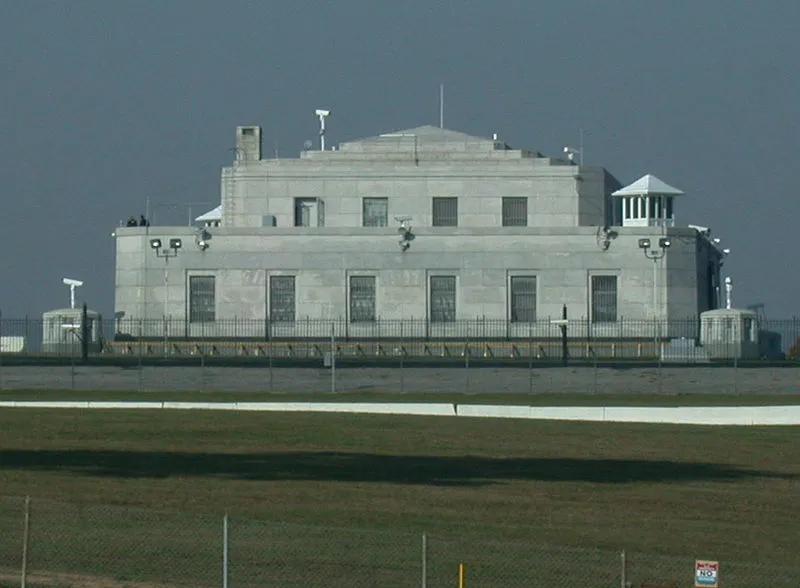 Photo: Fort Knox, via 1.bp.blogspot.com
The NDA Industrial Complex
Non-disclosure agreements have become as standard in Hollywood as craft services and red carpets. But these aren't just contracts — they're weapons of mass suppression, designed to ensure that anyone with dirt on a celebrity thinks twice before speaking up.
"The NDAs we see now are absolutely draconian," says one entertainment lawyer who has worked on high-profile cases. "They don't just cover the specific incident — they can cover everything the person might have witnessed during their entire relationship with the celebrity. It's scorched earth legal strategy."
The penalties for breaking these agreements can be financially devastating. Seven-figure liquidated damages clauses are common, effectively pricing out most people from ever speaking their truth. It's a system that heavily favors those with deep pockets and teams of attorneys on speed dial.
The Harvey Weinstein Effect
The #MeToo movement pulled back the curtain on how pervasive these silencing tactics had become. Harvey Weinstein's decades-long pattern of abuse was enabled not just by his power, but by an intricate web of NDAs, settlements, and intimidation tactics that kept victims quiet for years.
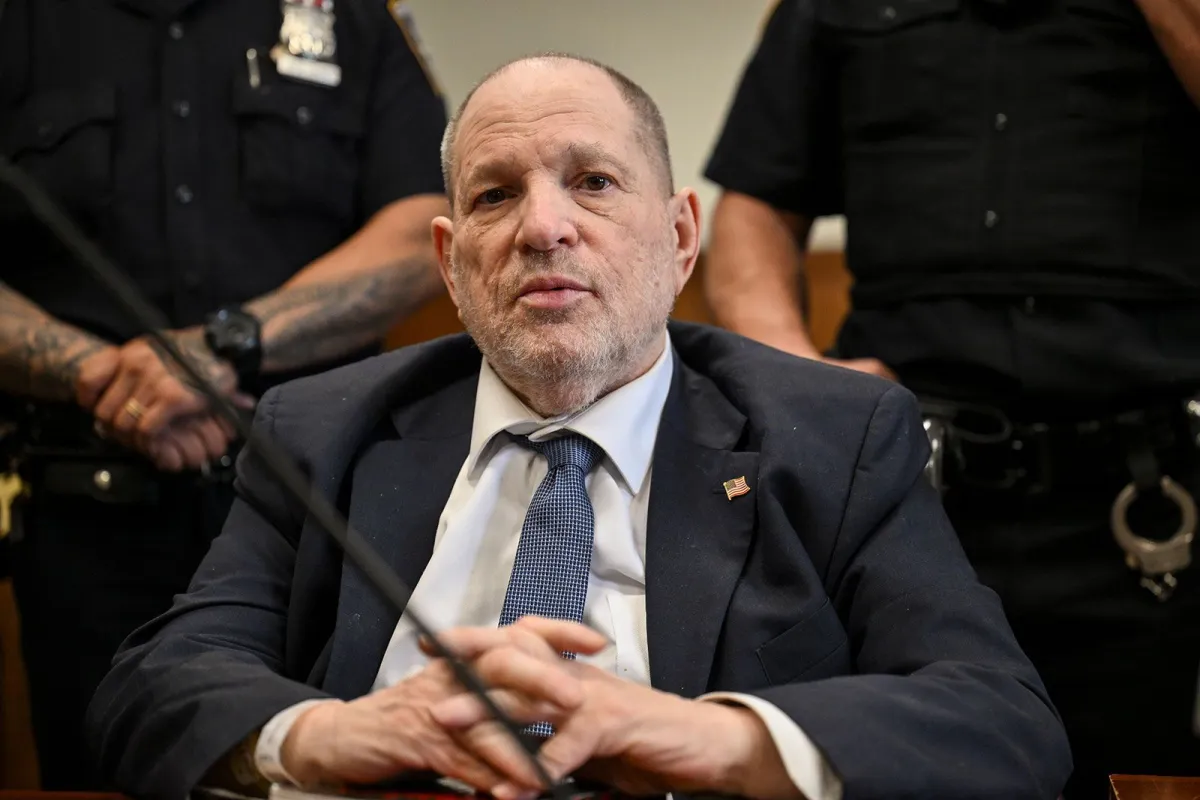 Photo: Harvey Weinstein, via cdn.britannica.com
But Weinstein wasn't unique in his methods — just more extreme in their application. The same playbook has been used to cover up everything from financial fraud to substance abuse to violent behavior. The only difference is that most celebrities are smart enough to settle before things reach criminal territory.
The Price of Silence
So what does it cost to buy someone's silence? The numbers are staggering. Sources familiar with high-profile settlements describe payouts ranging from hundreds of thousands to tens of millions of dollars, depending on the severity of the allegations and the star power involved.
One former studio executive, speaking on condition of anonymity, described a case where a major action star's legal team paid out over $5 million to settle what they called a "misunderstanding" with a former employee. The incident never made it to court, never made it to the press, and officially never happened.
"It's cheaper than a trial, cheaper than bad publicity, and infinitely cheaper than losing a $100 million franchise deal," the executive explained. "From a pure business perspective, it's a no-brainer."
The Fixers and Their Methods
Behind every clean celebrity image is usually a crisis management specialist — Hollywood's version of a fixer. These professionals specialize in making problems disappear before they become public relations nightmares.
Their methods go beyond just writing checks. They cultivate relationships with journalists, editors, and publishers. They know which stories can be killed with a phone call and which ones require more creative solutions. Some have been known to plant competing stories to distract from negative coverage, or to orchestrate positive publicity campaigns timed to overshadow potential scandals.
One prominent crisis manager, who has represented multiple A-list celebrities, described their job as "playing three-dimensional chess with the news cycle." The goal isn't just to suppress negative stories, but to control the entire narrative around their client.
When the Walls Come Down
But the digital age has made traditional silencing tactics increasingly difficult to maintain. Social media has democratized information sharing in ways that even the most sophisticated legal teams struggle to control.
The #MeToo movement proved that when enough people speak up simultaneously, even the most ironclad NDAs become meaningless. Harvey Weinstein's victims found strength in numbers, and their collective testimony ultimately brought down one of Hollywood's most powerful figures.
Similarly, the rise of anonymous tip platforms and encrypted communication has made it easier for whistleblowers to share information without immediate legal consequences. Websites like Crazy Days and Nights have built followings by publishing blind items about celebrity behavior that traditional media outlets won't touch.
The Streisand Effect
Perhaps most ironically, the very attempts to suppress information often end up drawing more attention to it. The "Streisand Effect" — named after Barbra Streisand's failed attempt to suppress photos of her Malibu home — has become a cautionary tale about the limits of legal intimidation in the internet age.
 Photo: Barbra Streisand, via api.time.com
When celebrities or their representatives try too aggressively to suppress information, it often backfires spectacularly. Social media users have become adept at reading between the lines of vague legal statements and carefully worded denials.
The New Rules
The entertainment industry is slowly adapting to a world where absolute control over information is no longer possible. Some publicists now advocate for transparency over suppression, arguing that getting ahead of negative stories is more effective than trying to bury them.
"The old model was about controlling the narrative completely," explains one veteran publicist. "The new model is about managing the narrative honestly. Audiences can smell BS from a mile away now."
The Stories We'll Never Know
Despite these changes, the silence industry continues to thrive. For every story that eventually comes to light, there are countless others that remain buried under layers of legal agreements and financial settlements.
The most troubling aspect isn't just what we don't know, but what we can't know. How many potential victims have been silenced? How many instances of abuse, fraud, or criminal behavior have been covered up? How many careers have been protected at the expense of justice?
In an industry built on storytelling, perhaps the most powerful stories are the ones we're never allowed to hear.