The Art of the Dramatic Exit
Nothing says "I need attention" quite like a celebrity retirement announcement. Whether it's a musician declaring their "final" album, an athlete tearfully hanging up their cleats, or an actor swearing off Hollywood forever, these grand gestures have become as predictable as award show speeches thanking God and their agents.
The latest culprit? Well, take your pick. Hollywood's retirement announcements have become so frequent and so frequently reversed that we've basically developed immunity to caring. Remember when Jay-Z called "The Black Album" his retirement record in 2003? Or when Tom Brady's NFL "retirement" lasted exactly 40 days? These aren't isolated incidents — they're part of a long, storied tradition of celebrities treating retirement like a revolving door.
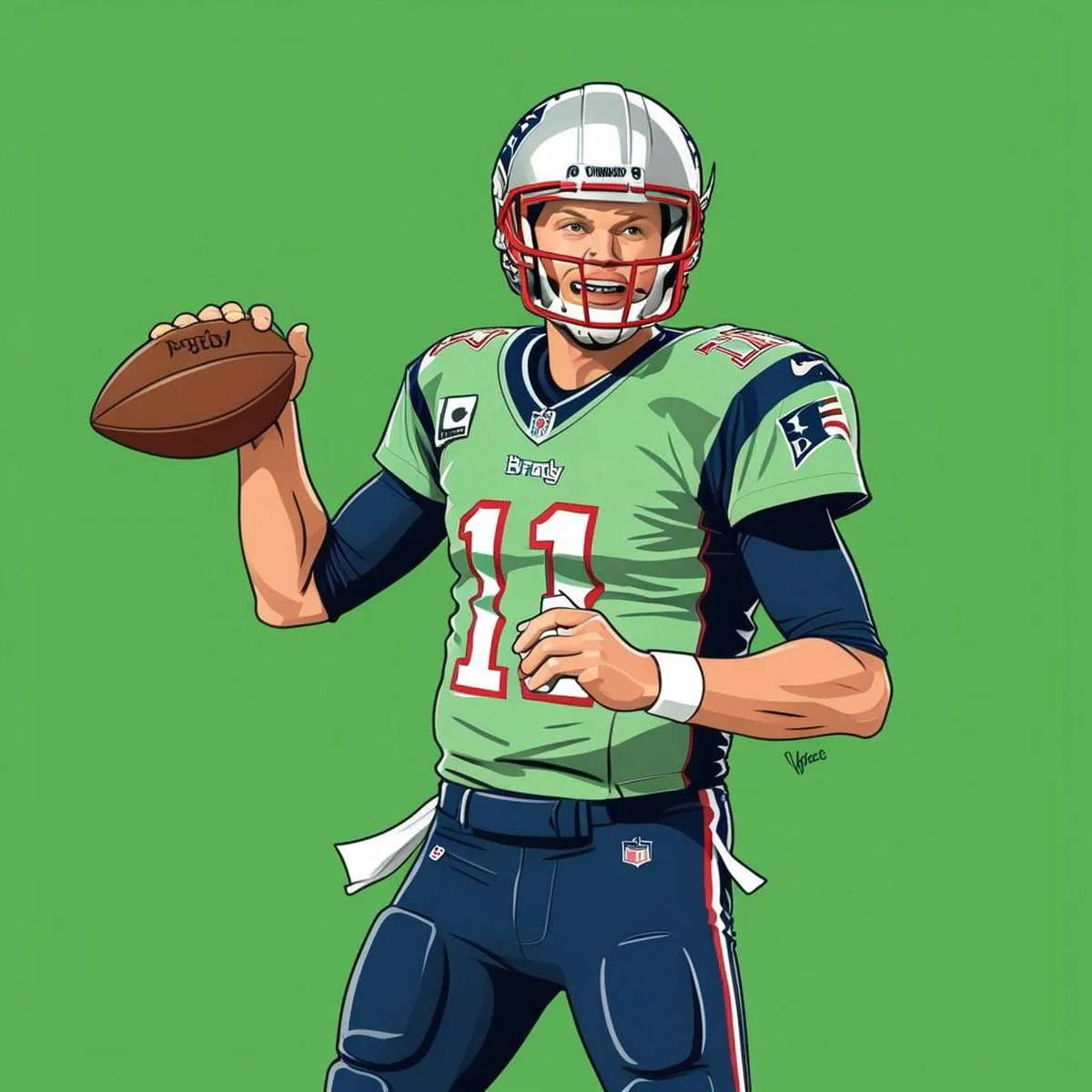 Photo: Tom Brady, via oghumor.com
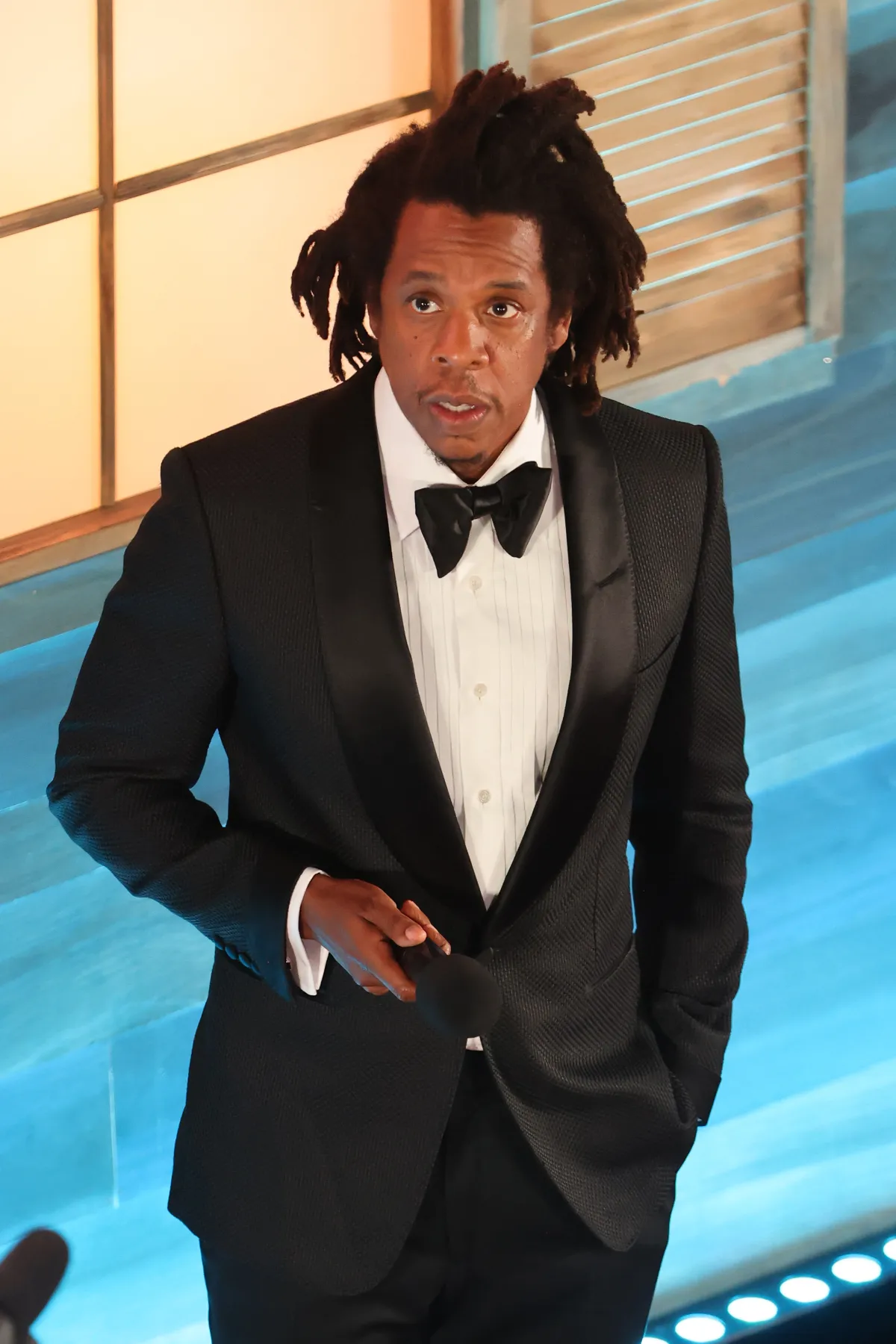 Photo: Jay-Z, via hiphopnc.com
The Psychology Behind the Farewell Tour
So why do stars keep pulling this move? According to entertainment industry insiders, the retirement announcement serves multiple strategic purposes. First, there's the nostalgia factor — nothing makes people appreciate what they have like the threat of losing it forever. Ticket sales surge, streaming numbers spike, and suddenly everyone remembers why they loved this celebrity in the first place.
"It's brilliant marketing, honestly," says one veteran publicist who's worked with A-list clients for over two decades. "You get all the emotional payoff of a career retrospective without actually having to end your career."
Then there's the control aspect. In an industry where careers can end abruptly due to scandal, changing tastes, or simple aging out, the retirement announcement lets celebrities craft their own narrative. They get to go out on their terms — or at least pretend to.
The Hall of Fame (Or Should We Say Hall of Shame?)
Let's rank some of history's most unconvincing retirement announcements, shall we?
Jay-Z's "The Black Album" (2003): Hov claimed this would be his final solo album, complete with a farewell tour and everything. Three years later, "Kingdom Come" hit shelves. His excuse? He "got bored being retired." At least he was honest about it.
Brett Favre's NFL Career (2008, 2009, 2010): The Green Bay Packers legend turned retirement into an annual summer tradition, flip-flopping so many times that ESPN probably had pre-written stories for both scenarios. Each "final" decision lasted roughly as long as a football season.
Barbra Streisand's Farewell Tours (2000, 2006, 2012, 2016): The legend has said goodbye to touring more times than a dramatic teenager leaving for college. Her "farewell" concerts have become their own genre at this point.
Ozzy Osbourne's Final Tour (2018-present): The Prince of Darkness announced his "No More Tours 2" farewell tour in 2018. Five years later, he's still touring. Death apparently can't stop the man, so why would retirement?
When Retirement Actually Means Business
Of course, not every retirement announcement is a publicity stunt. Some celebrities genuinely try to walk away — they just can't stay gone. Take Michael Jordan, who retired from basketball in 1993 to pursue baseball, only to return to the NBA in 1995 with a simple "I'm back" fax. His second retirement in 1998 seemed more final, until he unretired again in 2001 to play for the Washington Wizards.
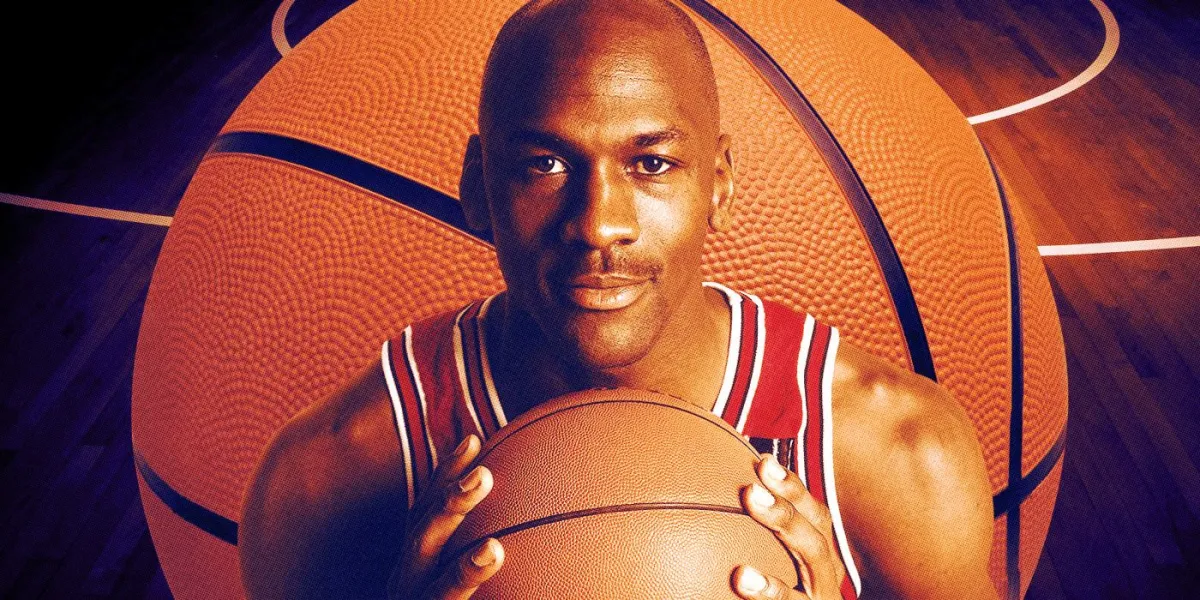 Photo: Michael Jordan, via static1.colliderimages.com
The difference? Jordan never framed his returns as anything other than what they were — a competitor who couldn't stay away from competition. No elaborate explanations, no claims that "the fans demanded it." Just pure, honest FOMO.
The Audience Gets Wise
Here's the thing: we're not falling for it anymore. Social media has made us too savvy, too cynical, and frankly, too exhausted by celebrity drama to invest emotionally in these theatrical exits. When news broke about various celebrities' "final" projects this year, the internet's response was basically a collective eye roll.
"Nobody believes retirement announcements anymore," one entertainment journalist explains. "We just bookmark them and wait for the inevitable comeback announcement six months later."
The memes practically write themselves at this point. "See you next season" has become the standard response to any celebrity farewell, and honestly? They've earned our skepticism.
The New Rules of Celebrity Retirement
So what does it take for a retirement announcement to be believable in 2024? Based on recent history, here are the new criteria:
- Don't announce it at all — Just quietly stop working and let people figure it out
- Have a specific, non-career reason — Health issues, family commitments, or genuine burnout
- Don't do a farewell tour — Nothing screams "I'll be back" like monetizing your exit
- Actually mean it — Revolutionary concept, we know
The Comeback Industrial Complex
The real issue isn't that celebrities fake retirement — it's that we've created an entire industry around comebacks. Streaming platforms love reunion specials, award shows live for "lifetime achievement" moments that turn into comeback announcements, and social media thrives on the nostalgia cycle.
We've essentially trained celebrities to treat retirement as just another career move rather than, you know, the end of their career.
What Happens Next?
As long as there are headlines to grab and attention spans to capture, celebrities will keep announcing dramatic exits they don't intend to follow through on. The question isn't whether they'll stop doing it — it's whether we'll stop caring when they do.
Spoiler alert: we probably won't, because apparently we're all gluttons for this particular brand of punishment.
Until then, we'll just keep our "Welcome Back" banners ready and our expectations appropriately low — because in Hollywood, retirement is apparently just another word for "see you in six months."