The Inevitable Itch for Legitimacy
There's a predictable moment in every blockbuster star's career when they wake up, look at their bank account full of franchise money, and think: "But do they respect me as an artist?" Thus begins Hollywood's most reliable pattern — the prestige pivot, where popcorn royalty suddenly develops an inexplicable urge to star in gritty indie dramas about addiction, mental illness, or historical trauma.
It's as predictable as death, taxes, and Marvel announcing another Phase. Will Smith goes from saving the world in "Independence Day" to chasing an Oscar in "Ali." Leonardo DiCaprio trades "Titanic" heartthrob status for a series of increasingly masochistic roles involving bear attacks and frozen wastelands. Even Dwayne "The Rock" Johnson — the human embodiment of crowd-pleasing entertainment — has started making noises about wanting to do "serious" work.
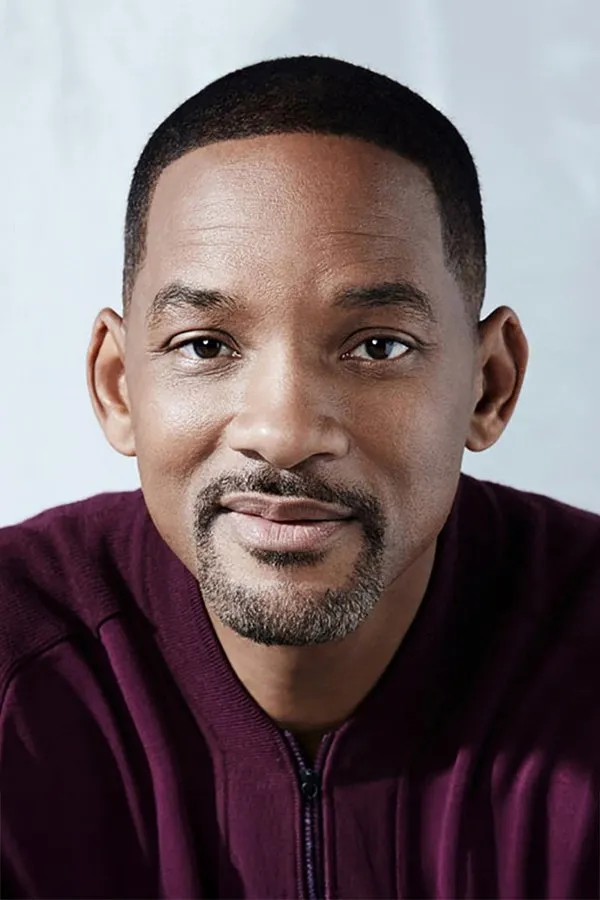 Photo: Will Smith, via media.themoviedb.org
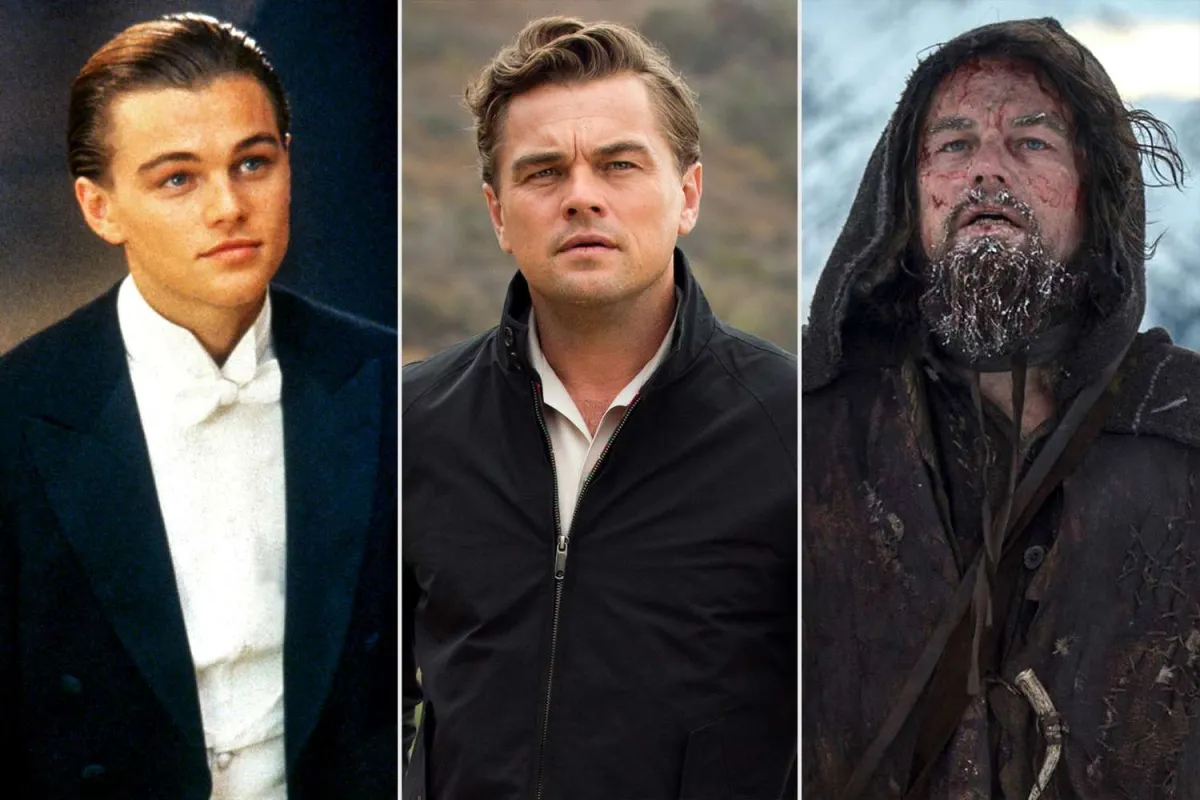 Photo: Leonardo DiCaprio, via static.onecms.io
The pattern is so obvious that you can practically set your watch by it: Blockbuster success → Critical dismissal → Desperate pivot to "important" films → Confused audiences → Mixed results.
The Hall of Fame Pivots (That Actually Worked)
Leonardo DiCaprio: The Gold Standard
Leo perfected the art of the prestige pivot, systematically shedding his pretty-boy image through a series of increasingly challenging roles. From "What's Eating Gilbert Grape" to "The Revenant," he played the long game, working with prestige directors and taking on physically demanding roles until the Academy finally caved. His Oscar win felt less like recognition and more like the industry saying, "Fine, you've suffered enough."
Matthew McConaughey: The McConaissance
Perhaps the most successful pivot in recent memory, McConaughey went from shirtless rom-com king to serious dramatic actor through sheer force of will and some very strategic role choices. "Dallas Buyers Club," "True Detective," and "Interstellar" completely rewrote his Hollywood narrative. The key? He disappeared from the rom-com circuit entirely, making his transformation feel authentic rather than calculated.
Robert Pattinson: Vampire to Vengeance
After "Twilight" made him a household name for all the wrong reasons (in his mind), Pattinson systematically chose the weirdest, most challenging indie films he could find. "Good Time," "The Lighthouse," and "Uncut Gems" proved he was a serious actor trapped in a sparkly vampire's body. His casting as Batman feels like the perfect marriage of his blockbuster appeal and newfound credibility.
 Photo: Robert Pattinson, via static1.srcdn.com
The Hall of Shame (When Pivoting Goes Wrong)
Will Smith: The Pursuit of Respect
Smith's Oscar chase became almost painful to watch. After dominating the box office with crowd-pleasers, he pivoted hard into "serious" territory with "Ali," "The Pursuit of Happyness," and "Concussion." While some performances were genuinely good, the desperation for Academy recognition was palpable. His eventual Oscar win for "King Richard" was overshadowed by, well, you know what happened at that ceremony.
Adam Sandler: The Dramatic Experiment
Sandler's attempts at serious acting have been fascinatingly inconsistent. "Punch-Drunk Love" showed genuine promise, "Uncut Gems" was a revelation, but "The Meyerowitz Stories" felt like homework. The Academy seems fundamentally incapable of taking him seriously, no matter how good his performance actually is.
Ryan Reynolds: Still Waiting
Reynolds has been making subtle attempts at prestige for years, but his natural charisma and wit keep undermining his serious actor credibility. Even in dramatic roles, he can't help but be charming, which apparently disqualifies him from Oscar consideration in the Academy's mind.
Why the Academy Remains Unimpressed
The dirty secret about prestige pivots is that the Academy can smell desperation from a mile away. There's something almost insulting about A-listers assuming they can simply buy their way into critical respect with a few calculated indie film choices.
"The Academy voters are smart," explains one longtime Oscar campaigner. "They can tell when someone is slumming it for awards season versus when someone is genuinely passionate about a project. The performances that win are usually from actors who've been consistently taking risks, not just when they want recognition."
The most successful pivots feel organic — like a natural evolution of an actor's interests rather than a calculated career move. When it feels like homework, audiences and critics alike tend to tune out.
The Franchise Trap
Part of the problem is that modern franchise filmmaking has created a generation of actors who are incredibly famous but critically undervalued. Chris Evans, Chris Hemsworth, and Scarlett Johansson are household names who've made hundreds of millions for studios, but their Marvel work doesn't translate to awards credibility.
This creates a weird dynamic where some of the most successful actors in Hollywood feel like they need to prove themselves artistically. It's like being the valedictorian of summer school — technically an achievement, but not the kind that gets you into Harvard.
The Streaming Wild Card
Streaming platforms have complicated the prestige game by blurring the lines between theatrical and television work. Stars like Nicole Kidman and Reese Witherspoon have found critical acclaim in limited series, while movie stars like Will Ferrell and Julia Roberts have migrated to streaming projects.
This has created new pathways to prestige that don't require the traditional "suffering for your art" approach. Sometimes a really good Netflix limited series can do more for your critical reputation than a forgettable indie drama.
The New Rules of Respect
The most successful modern actors have learned to integrate blockbuster appeal with artistic credibility from the beginning of their careers. Actors like Oscar Isaac, Michael B. Jordan, and Lupita Nyong'o move seamlessly between franchise work and prestige projects without it feeling like a calculated pivot.
The key seems to be consistency and authenticity. Audiences and critics respond to actors who seem genuinely passionate about their craft, regardless of budget size or award potential.
The Verdict
The prestige pivot will continue to be a Hollywood staple because the desire for artistic validation is fundamentally human. But the most successful transitions happen when actors follow their genuine interests rather than chasing awards.
Maybe the real prestige was the popcorn we made along the way — and sometimes, that's perfectly fine.