Remember when Taylor Swift's squad dominated every red carpet, Instagram feed, and beach vacation photo op circa 2015? The carefully choreographed girl gang of Gigi Hadid, Karlie Kloss, Selena Gomez, and rotating cast of models-slash-actresses wasn't just friendship goals — it was a masterclass in collective brand building that Hollywood has been trying to replicate ever since.
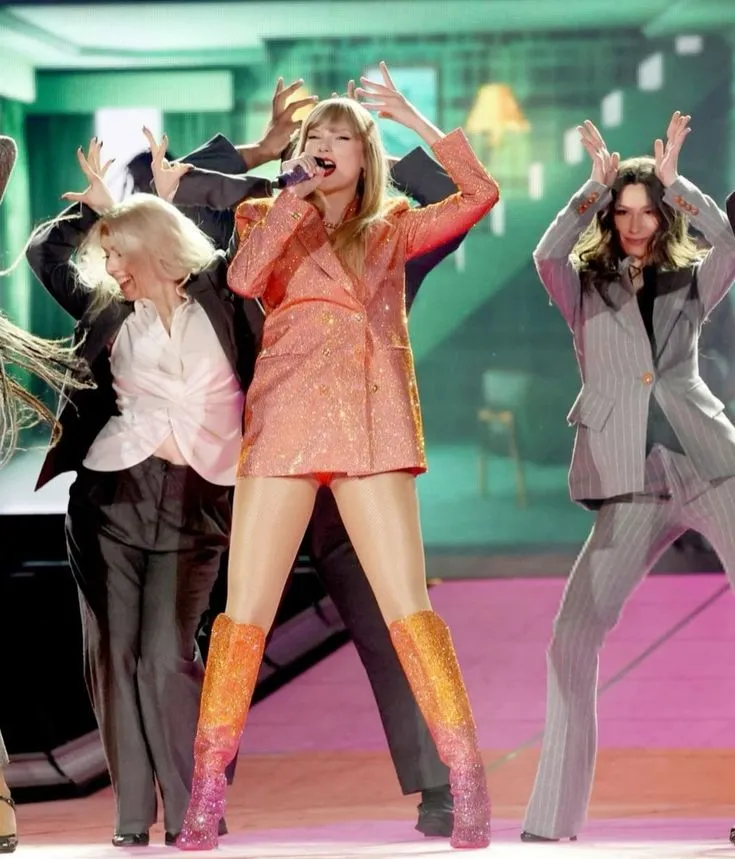 Photo: Taylor Swift, via i.pinimg.com
The Business of Being Besties
What looks like organic friendship from the outside is actually a sophisticated marketing ecosystem where everyone wins — until someone doesn't. These celebrity girl gangs operate like exclusive clubs with unspoken membership requirements: complementary brand aesthetics, similar target demographics, and most importantly, the ability to amplify each other's projects without stealing the spotlight.
Take the current iteration of Hollywood's most visible female friendships. The Kardashian-adjacent circle includes rotating players like Hailey Bieber, Kendall's model crew, and carefully selected influencers who match the family's luxury lifestyle brand. Each appearance together is essentially a multi-million dollar advertisement for their respective ventures — from Kylie's cosmetics to Hailey's skincare line.
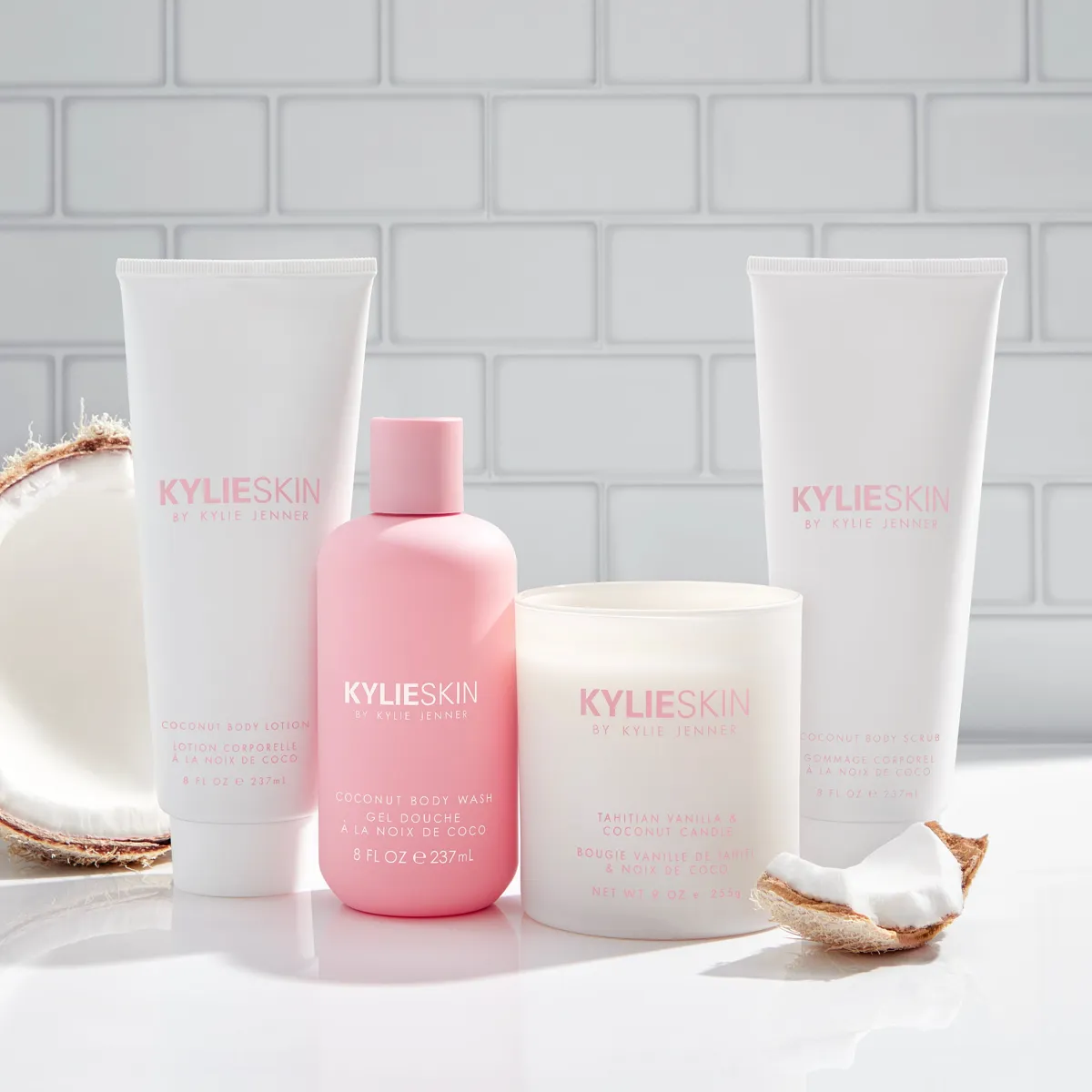 Photo: Kylie Cosmetics, via kyliecosmetics.com
The Real Housewives universe has perfected this formula across franchises, with crossover friendships that span cities and generate their own storylines. When Miami's Larsa Pippen hangs with Beverly Hills' Kyle Richards, it's not just friendship — it's content that drives engagement across multiple shows and social platforms.
The Unspoken Rules of Squad Membership
Every successful celebrity girl gang operates by an invisible code. Members must be equally supportive but never overshadow the perceived "leader" of the group. They attend each other's launches, like each other's posts within minutes of posting, and coordinate their public appearances to maximize collective exposure.
The most successful squads maintain what industry insiders call "complementary relevance" — each member brings something different to the table without direct competition. Swift's original squad worked because it mixed musicians, models, and actresses who could cross-promote without cannibalizing each other's markets.
But perhaps most crucially, squad members must never, ever air dirty laundry publicly. The friendship brand depends on the illusion of effortless harmony, and any crack in that facade threatens everyone's investment.
When the Squad Turns Sour
The most fascinating aspect of these friendship franchises is watching what happens when someone gets quietly edited out of the group photo. Karlie Kloss's gradual disappearance from Swift's inner circle became its own form of entertainment, with fans analyzing Instagram likes and red carpet absences like forensic evidence.
The fallout from these friendship divorces can be career-defining. When someone gets frozen out of a powerful squad, they lose access to that collective promotional power, shared opportunities, and the social proof that comes with belonging to an exclusive club. It's not just personal — it's professional suicide in an industry built on relationships.
Recent squad casualties include various influencers who were once fixtures in the Kardashian orbit, only to find themselves mysteriously absent from family events and business ventures. The message is clear: loyalty to the brand comes first, friendship second.
The New Rules of Celebrity Sisterhood
Today's celebrity girl gangs have evolved beyond Swift's original model. The current generation is more strategic, more diverse, and more explicitly business-focused. Groups like the collective around Dua Lipa mix musicians, fashion icons, and social justice advocates, creating a brand that feels both aspirational and socially conscious.
Meanwhile, the TikTok generation has created their own version with collaborative content houses and cross-platform friendships that generate millions in ad revenue. These digital-native squads understand that friendship content is content, period.
The Price of Perfection
But maintaining these friendship brands comes at a cost. Multiple sources close to various celebrity circles describe the pressure to always be "on" when together, the careful coordination required for seemingly spontaneous moments, and the underlying competition that exists even within the closest groups.
"It's exhausting," one entertainment publicist admits off the record. "Every dinner becomes a photo shoot, every vacation becomes content, and every personal moment becomes potential brand damage if it goes wrong."
The most telling sign of how transactional these relationships have become? The rise of "friendship contracts" — informal agreements between celebrities' teams about cross-promotion, appearance fees for each other's events, and protocols for public disputes.
What's Next for Squad Goals
As Hollywood's friendship industrial complex continues to evolve, the next generation is already writing new rules. Gen Z celebrities are more transparent about the business aspects of their relationships, often openly discussing collaboration deals and mutual promotion strategies.
The question isn't whether celebrity friendships are authentic — it's whether authenticity matters when the friendship franchise model is this effective at building brands, generating content, and creating cultural moments that define entire eras of pop culture.
After all, in an industry where everything is performance, maybe the most honest thing about these squads is how obviously they're performing friendship — and making millions while they're at it.