The Franchise Trap: Why Hollywood's Biggest Stars Keep Getting Locked Into Movies They Secretly Hate
When Robert Downey Jr. first suited up as Iron Man in 2008, it looked like the perfect marriage of actor and character. Fast-forward to 2019's Endgame, and even the most die-hard Marvel fans could sense something had shifted. The spark was dimmer, the quips more mechanical, and Downey's famous improvisation felt increasingly scripted. The truth? He'd been ready to hang up the suit years earlier, but those ironclad contracts had other plans.
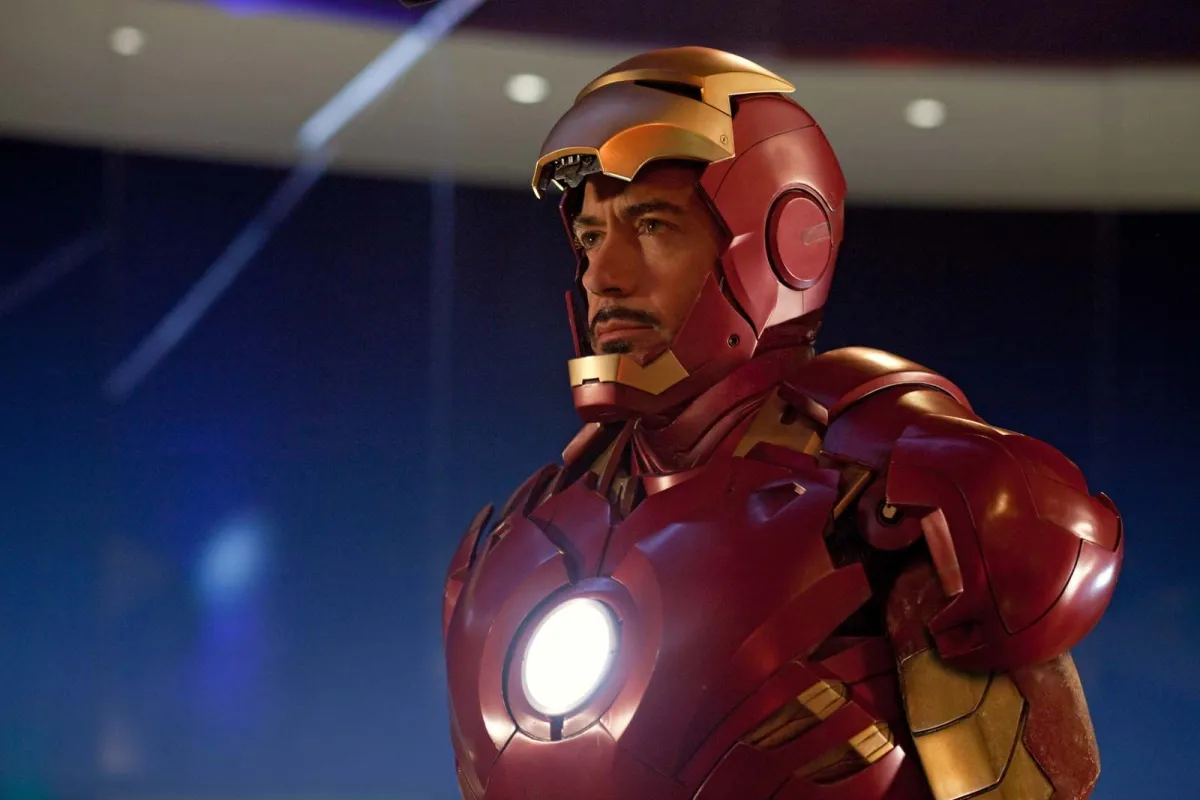 Photo: Robert Downey Jr., via cdn.britannica.com
Welcome to Hollywood's franchise trap — where today's dream role becomes tomorrow's creative prison, and escape comes at a price most stars simply can't afford to pay.
The Golden Handcuffs Get Tighter
The numbers tell the story. In the 1990s, a typical franchise deal might lock an actor into two or three films. Today's contracts routinely span six to nine pictures, with options that can extend indefinitely. When Disney acquired Marvel, they didn't just buy characters — they bought actors' entire careers for the next decade.
"These contracts are basically indentured servitude with better catering," one prominent entertainment lawyer told The Hollywood Reporter last year. "The studios learned from the Harry Potter kids. They're not letting anyone age out of their golden goose again."
The financial incentives are impossible to ignore. Chris Evans reportedly earned over $75 million across his Captain America tenure, while Scarlett Johansson's Black Widow deal included backend participation that pushed her total Marvel earnings past $100 million. But money, as it turns out, can't buy creative fulfillment — or the right to say no.
When the Magic Dies
The warning signs are everywhere once you know where to look. There's the thousand-yard stare Harrison Ford developed by Return of the Jedi, the increasingly mechanical delivery Daniel Craig brought to his later Bond films, and the barely concealed exhaustion in Jennifer Lawrence's voice during Mockingjay press tours.
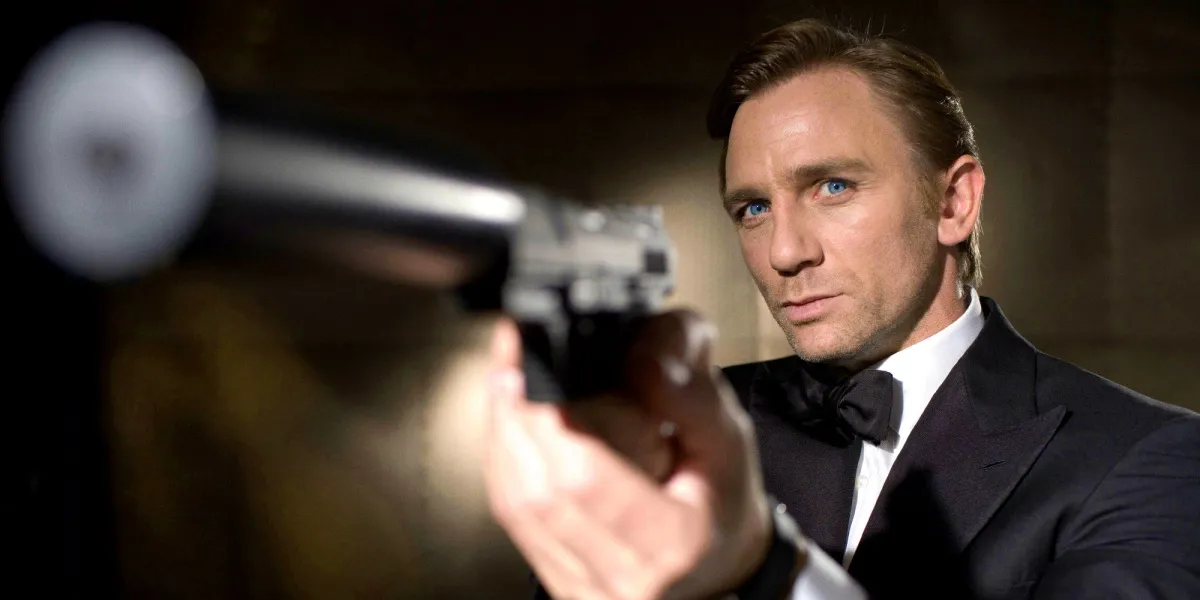 Photo: Daniel Craig, via static1.srcdn.com
"You can see it in their eyes," notes film critic David Ehrlich. "There's a moment when an actor realizes they're not playing a character anymore — they're playing a brand. And brands don't get to have bad days or creative input."
Some stars have been more direct about their frustrations. Shia LaBeouf famously called the Transformers franchise "irrelevant" while still contractually obligated to promote it. Katherine Heigl's public criticism of Grey's Anatomy writing effectively ended her time on the show — and arguably damaged her film career in the process.
More recently, social media has become a window into actors' real feelings. Fans have noted the stark difference between Chris Evans' enthusiastic early Marvel posts and his later, perfunctory promotional tweets. The shift from genuine excitement to professional obligation plays out in real time across Instagram stories and red carpet interviews.
The Escape Artists
Some stars have managed to break free, but the cost is always steep. Edward Norton was famously "replaced" as the Hulk after creative differences with Marvel — effectively blacklisting him from the most profitable franchise in Hollywood history. Terrence Howard's departure from the Iron Man series came down to money, but also his desire for more creative control.
The most successful escape might be Daniel Craig's eventual exit from Bond. After publicly stating he'd "rather slash his wrists" than return to the role, Craig negotiated one final film on his terms — complete with creative input and a character death that permanently closed the door on his return.
But for every successful escape, there are dozens of actors who simply endure. The Fast & Furious franchise has become a case study in actors who've clearly outgrown their roles but remain contractually bound. Watch Vin Diesel's recent interviews — the passion that once drove Dom Toretto feels increasingly forced.
The New Generation's Dilemma
Young actors entering the franchise system today face an even starker choice. Take Tom Holland, who signed his Spider-Man deal as a teenager. Now in his mid-twenties, he's contractually committed to a character that could define — and potentially limit — his entire career.
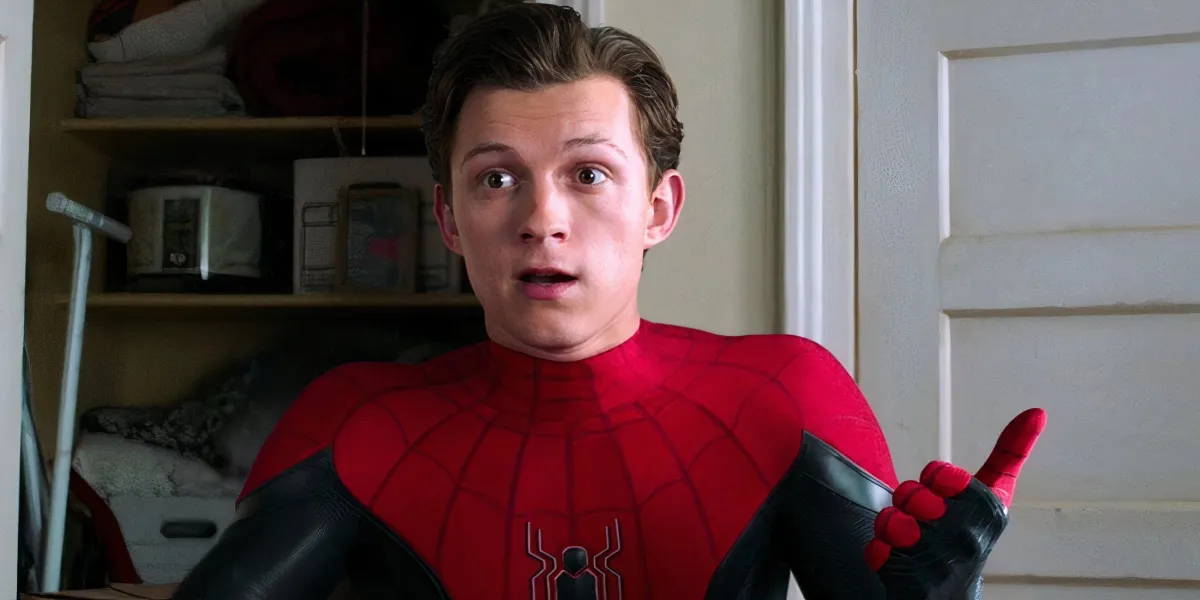 Photo: Tom Holland, via static0.gamerantimages.com
"The kids signing these deals today don't understand what they're giving up," explains one veteran agent who spoke on condition of anonymity. "They see the money and the fame, but they don't see the creative death that comes with playing the same character for fifteen years."
The streaming era has only intensified the pressure. Netflix's multi-season commitments for original series can lock actors into characters for years, while Amazon and Apple's franchise ambitions mean even more long-term contracts flooding the market.
The Studios' Perspective
From the studio side, these contracts make perfect business sense. Why risk recasting a beloved character when you can lock in the original actor from day one? The Marvel Cinematic Universe's success proves the model works — at least financially.
"Audiences connect with actors, not just characters," notes box office analyst Paul Dergarabedian. "Recasting Batman every few years worked in the past, but today's franchise success depends on continuity. Studios can't afford to let actors walk away when they feel like it."
The contracts have also evolved to prevent the kind of salary negotiations that once plagued franchises. Backend participation and escalating pay scales are now built into initial deals, theoretically keeping everyone happy for the long haul.
The Creative Cost
But what gets lost in all the financial calculations is the artistic toll. Many of today's most talented actors spend their prime creative years locked into roles that offer little room for growth or experimentation.
"You watch someone like Oscar Isaac in Moon Knight and you can see a brilliant actor trying to find something interesting in material that's been focus-grouped to death," observes film professor Janet Staiger. "The franchise system is creating a generation of actors who are technically proficient but creatively frustrated."
The impact extends beyond individual careers. When A-list talent is tied up in franchise work, it limits the kinds of original, mid-budget films that once provided creative outlets for established stars. The result is a Hollywood ecosystem increasingly divided between franchise tentpoles and micro-budget indies, with little room for the character-driven star vehicles that once defined careers.
What Comes Next
The industry is starting to recognize the problem. Some newer franchise deals include creative input clauses, allowing actors more say in their character's development. Others build in sabbatical periods, giving stars time to pursue passion projects between franchise installments.
But the fundamental tension remains: in an industry increasingly driven by intellectual property and brand recognition, the individual artist becomes just another asset to be managed and controlled.
As audiences become more aware of the creative constraints facing their favorite stars, the question becomes whether the franchise bubble can sustain itself — or whether we're heading for a reckoning where artistic integrity finally trumps box office security.
For now, the machine keeps churning, and the contracts keep getting signed, but the cracks in the foundation are starting to show.