The Real Money Isn't in Movies Anymore
Forget the $20 million paychecks and backend deals — the smartest celebrities figured out years ago that the real wealth comes from what happens between action and cut. While we were debating their Oscar snubs and relationship drama, stars like Rihanna, Ryan Reynolds, and Jessica Alba were quietly building business empires that would make their entertainment earnings look like tip money.
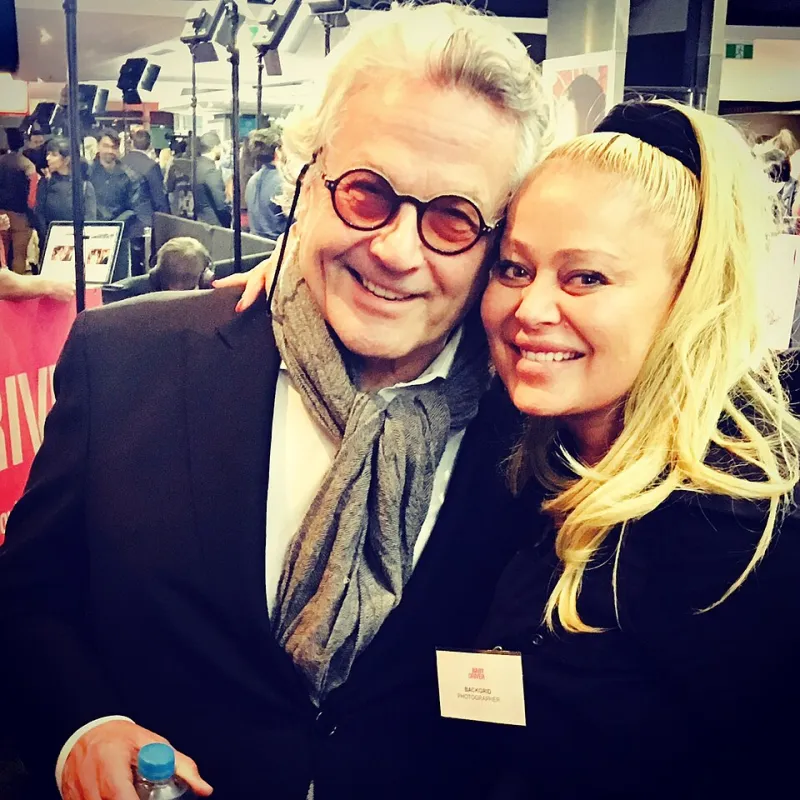
 Photo: Ryan Reynolds, via www.usanetwork.com
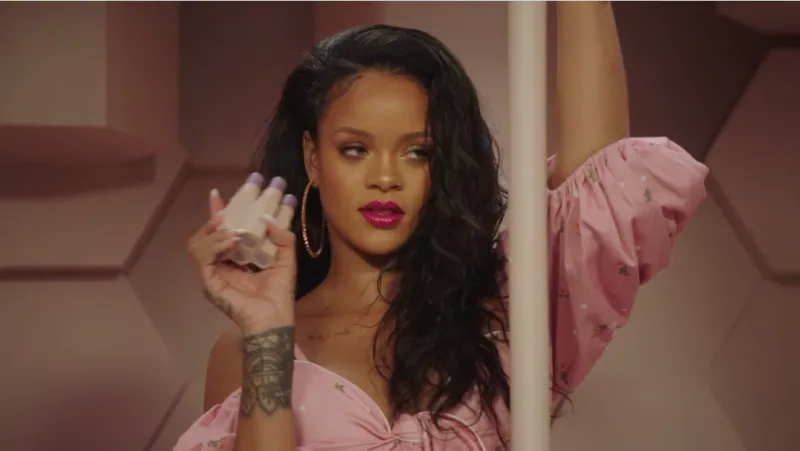
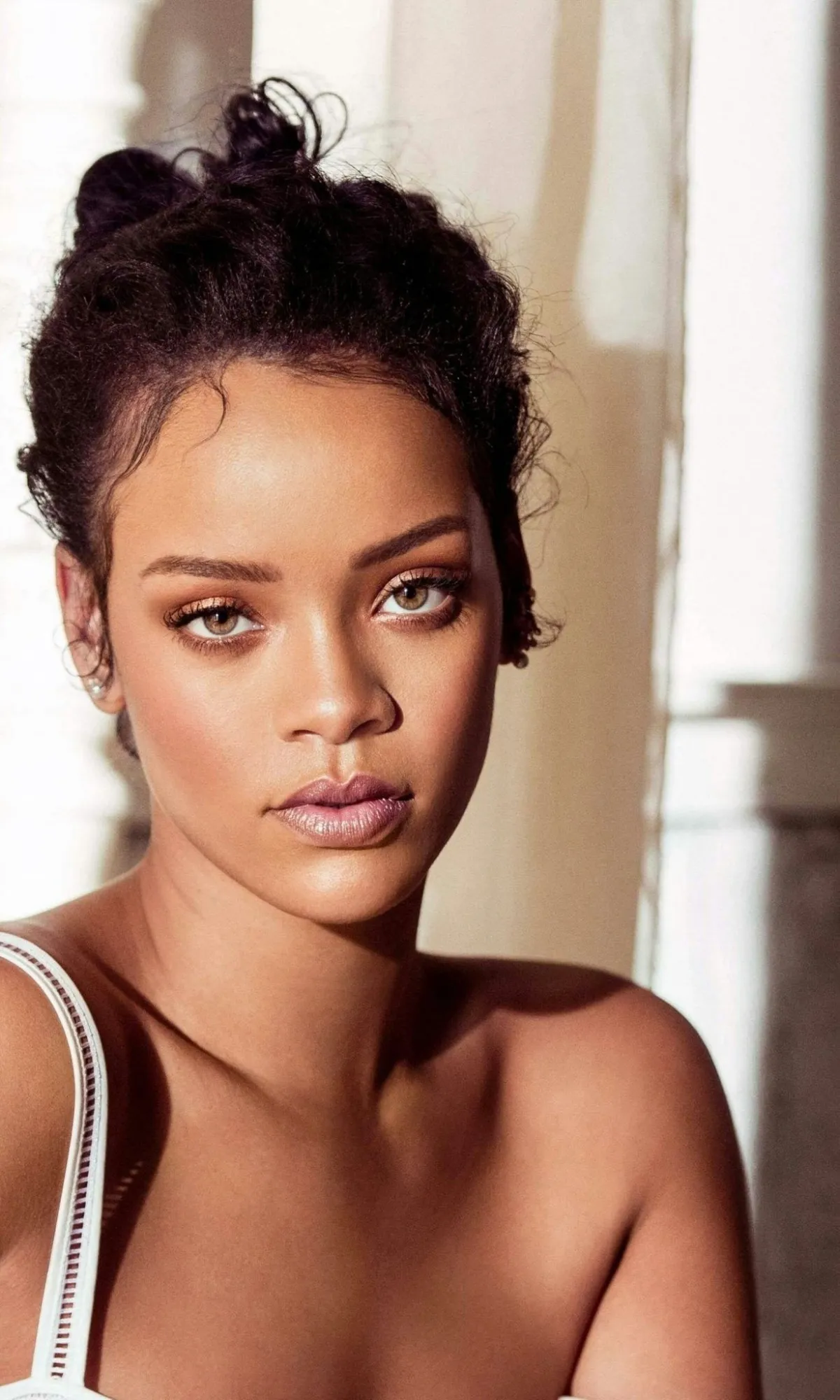 Photo: Rihanna, via i.pinimg.com
Rihanna didn't just stumble into billionaire status by accident. When Fenty Beauty launched in 2017, it wasn't another celebrity vanity project slapping a famous name on existing products. The singer-turned-mogul identified a massive gap in the beauty market — 40 different foundation shades at launch when most brands offered maybe 12 — and built an entire empire around inclusivity that competitors are still trying to copy. The result? A $2.8 billion valuation that officially made her richer than Madonna, Celine Dion, and Barbra Streisand combined.
The Reynolds Method: Charm Your Way to the Bank
Ryan Reynolds turned his signature wit into a business strategy that's practically a masterclass in celebrity entrepreneurship. His approach with Aviation Gin wasn't to slap his face on a bottle and call it a day — instead, he became the brand's creative director and chief marketing officer, turning every social media post into a mini-commercial that felt more like entertainment than advertising.
When Diageo bought Aviation Gin for up to $610 million in 2020, Reynolds reportedly walked away with a nine-figure payday. But here's the kicker: he immediately used that success to launch Maximum Effort, a marketing company, and then flipped that expertise into investments in Mint Mobile (which T-Mobile bought for $1.35 billion) and Wrexham AFC, a Welsh soccer team that's become a Netflix documentary goldmine.
 Photo: Wrexham AFC, via hdsunflower.com
The Alba Formula: Mom Problems = Million-Dollar Solutions
Jessica Alba's Honest Company journey reads like a case study in turning personal frustration into profit. After struggling to find safe, non-toxic products for her children, Alba didn't just complain on Instagram — she co-founded a company that would eventually go public with a $1.4 billion valuation.
The actress admits she knew nothing about business when she started, but that outsider perspective became her superpower. While established companies were focused on what they'd always done, Alba was asking why baby shampoo needed to contain formaldehyde releasers in the first place. The answer launched a thousand products and made her worth an estimated $200 million.
The Goop Phenomenon: Controversy as Currency
Say what you want about Gwyneth Paltrow's jade eggs and vampire facials, but Goop's $250 million valuation proves there's serious money in being polarizing. Paltrow took the wellness space's biggest criticism — that it's all pseudoscience and overpriced nonsense — and turned it into her brand identity.
Every FDA warning and medical professional eye-roll became free publicity for a company that's somehow convinced people to pay $120 for a candle that supposedly smells like Paltrow's vagina. It's marketing genius disguised as new-age spirituality, and the numbers don't lie.
The Failures: When Famous Names Aren't Enough
Not every celebrity business venture becomes a unicorn. 50 Cent's headphone company, SMS Audio, couldn't compete with Beats by Dre despite the rapper's business acumen in other areas. Lady Gaga's Haus Beauty line quietly disappeared after failing to capture the magic of her music career. Even Martha Stewart's partnership with Macy's ended in a bitter legal battle that cost both parties millions.
The difference between success and failure often comes down to one thing: genuine involvement versus lazy licensing deals. The celebrities who treat their businesses like passion projects tend to build lasting value, while those who just show up for photo shoots usually flame out within a few years.
The New Hollywood Math
Today's smartest entertainers view their fame as startup capital rather than the end goal. They're using their platforms to build businesses that can outlast their relevance and generate wealth long after their last movie premiere.
Rihanna hasn't released an album since 2016, but Fenty Beauty keeps printing money. Reynolds could never act again and still be set for life thanks to his business portfolio. Alba's acting career may have peaked with "Fantastic Four," but her net worth has only grown since then.
What's Next: The TikTok Generation Takes Notes
The next wave of celebrity entrepreneurs is already learning from these success stories. Selena Gomez's Rare Beauty launched with mental health advocacy built into its DNA. The Weeknd's XO brand extends far beyond merchandise into hospitality and experiences. Even TikTok stars are skipping the traditional entertainment pipeline entirely, going straight from viral videos to business empires.
The message is clear: in 2024, the real stars aren't just entertaining us — they're building the companies that will define the next decade of consumer culture, one strategic side hustle at a time.