When Saying No Becomes the Ultimate Power Move
In a town where actors would literally sell their souls for a Marvel contract and pop stars mortgage their futures for streaming numbers, there's a rare breed of celebrity who does the unthinkable: they walk away. Not from scandal, not from failure, but from success so massive it could fund small countries. Welcome to Hollywood's most exclusive club — the stars who quiet quit their own goldmines.
While the rest of us are doom-scrolling through LinkedIn posts about "quiet quitting" our 9-to-5s, these celebrities were pioneering the concept long before it had a catchy name. They looked at guaranteed paychecks, cultural immortality, and fan devotion, then said "nah, I'm good" with the kind of confidence that only comes from having your face on a billion-dollar movie poster.
The Superhero Who Said 'Save Yourselves'
Robert Downey Jr.'s exit from the Marvel Cinematic Universe after "Avengers: Endgame" might seem like natural story progression, but industry insiders know better. RDJ reportedly turned down offers that would have made Scrooge McDuck weep — we're talking nine-figure deals to keep Tony Stark alive in alternate timelines, What If scenarios, and enough cameos to retire on.
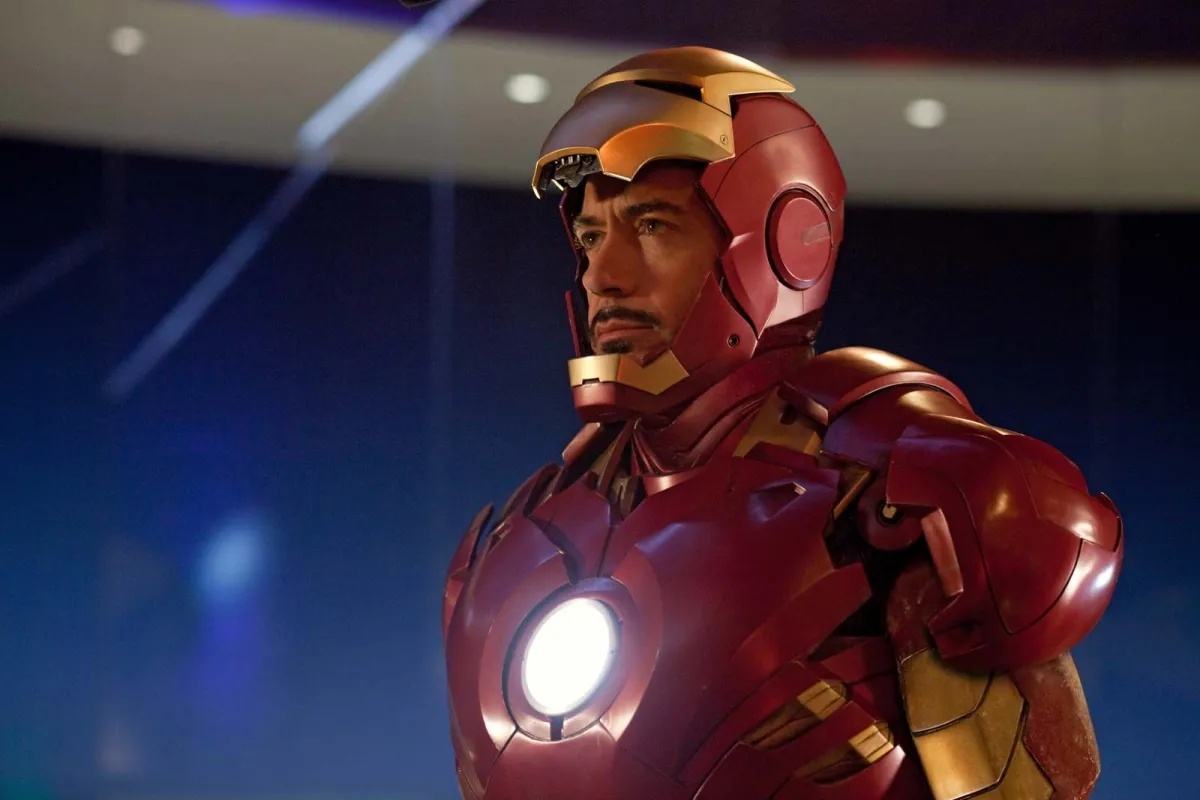 Photo: Robert Downey Jr., via cdn.britannica.com
"He could have literally phoned it in for the next decade," says one former Marvel executive who spoke on condition of anonymity. "The fan demand was there, the money was obscene, and Kevin Feige would have built entire phases around his availability. But Bob wanted to go out on top."
The result? RDJ preserved his legacy as the man who launched a cinematic universe, avoided the diminishing returns that plague franchise veterans, and freed himself to pursue passion projects. Meanwhile, Marvel is still trying to fill the Iron Man-shaped hole in their roster, proving that sometimes the best career move is knowing when to leave the party.
Pop Stars and the Great Tour Dodge
The music industry has its own version of franchise fatigue, and nobody embodies it quite like Lauryn Hill. After "The Miseducation of Lauryn Hill" made her one of the most acclaimed artists of the '90s, the logical next step was a massive world tour, follow-up album, and the kind of commercial domination that prints money.
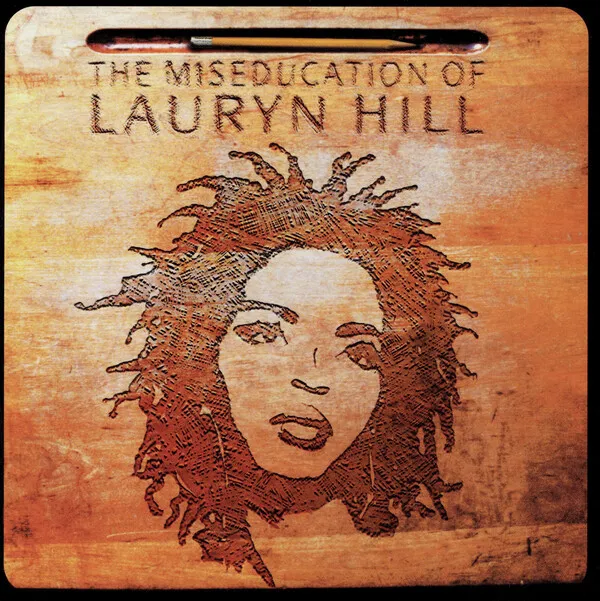 Photo: Lauryn Hill, via e.snmc.io
Instead, Hill essentially vanished from the mainstream machine, turning down lucrative touring opportunities and major label advances that would have set her up for life. When she did perform, it was on her terms — often arriving hours late, reworking classic songs beyond recognition, and generally operating outside industry norms.
"People call it self-sabotage, but maybe it's the opposite," argues music journalist Touré. "She protected her artistry from becoming a commodity. How many artists from that era are still creating authentic work versus just cashing nostalgia checks?"
Hill's approach influenced a generation of artists who learned that saying no to the machine doesn't mean saying no to relevance. Frank Ocean's irregular release schedule, Beyoncé's surprise album drops, and even Taylor Swift's decision to re-record her masters all trace back to artists who realized their power lay in scarcity, not saturation.
The TV Stars Who Ghosted Golden Geese
Television history is littered with actors who walked away from sure things. Katherine Heigl's departure from "Grey's Anatomy" at the height of the show's cultural dominance raised eyebrows, but her public criticism of the writing and work conditions revealed the hidden cost of franchise success.
"Everyone assumed she was crazy to leave," recalls a former ABC executive. "But Katherine was working 16-hour days, the storylines were getting repetitive, and she wanted creative fulfillment beyond playing the same character for a decade."
More recently, Henry Cavill's exit from "The Witcher" — despite the show's massive Netflix success and his obvious passion for the source material — sent shockwaves through the industry. Reports of creative differences and scheduling conflicts with other projects suggest that even dream roles can become golden handcuffs.
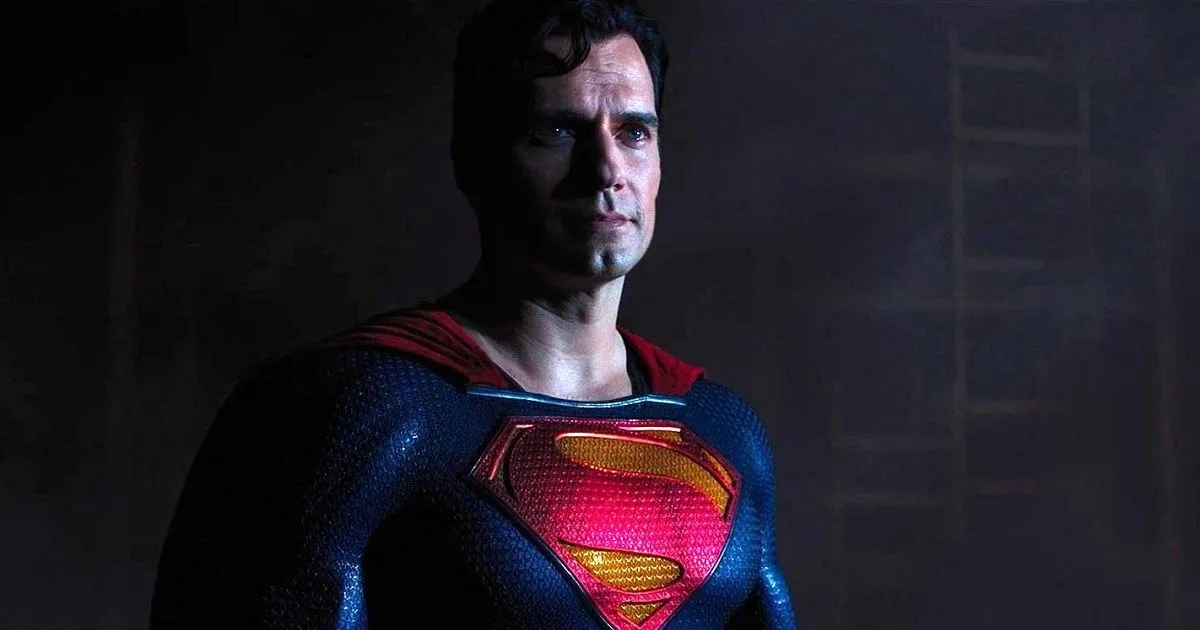 Photo: Henry Cavill, via static1.moviewebimages.com
The Psychology of Walking Away
What drives A-listers to abandon guaranteed success? According to celebrity psychologist Dr. Ramani Durvasula, it often comes down to autonomy and artistic integrity.
"When you're locked into a franchise, you become a brand asset rather than a creative individual," she explains. "For artists who entered the industry for creative expression, that can feel like a form of professional death, no matter how lucrative."
There's also the fear of typecasting and cultural stagnation. Daniel Craig's very public reluctance to continue as James Bond — including his infamous "I'd rather slash my wrists" comment — reflected the anxiety many franchise stars feel about being defined by a single role.
The Fan Reaction: Love, Hate, and Understanding
Fan reactions to celebrity "quiet quitting" reveal our complicated relationship with fame and money. Social media explodes with accusations of ingratitude and privilege, but there's also growing respect for stars who prioritize artistic integrity over commercial success.
"When RDJ left Marvel, I was devastated," admits longtime MCU fan Sarah Chen. "But looking back, I respect that he went out on his own terms. Too many franchises drag on until they become parodies of themselves."
The memes write themselves — "Celebrities complaining about being too successful" — but underneath the jokes lies recognition that creative burnout affects everyone, regardless of tax bracket.
The New Rules of Fame
Today's entertainment landscape rewards scarcity differently than previous generations. Social media has shortened attention spans while also creating infinite content hunger, making strategic absence a form of brand management.
Young stars are watching and learning. Zendaya carefully balances blockbuster commitments with indie projects. Timothée Chalamet selects roles like he's curating a museum exhibition. They understand that in an age of content overload, being selective isn't just artistic — it's strategic.
What Happens Next?
As streaming services multiply and franchise fever reaches new heights, expect more stars to embrace strategic withdrawal. The next generation of celebrities grew up watching the cautionary tales of franchise burnout and overexposure.
"We're entering an era where saying no is the new saying yes," predicts entertainment strategist Mark Harris. "The stars who master this balance will have the longest, most fulfilling careers."
In Hollywood's attention economy, sometimes the boldest move isn't chasing the spotlight — it's knowing exactly when to step out of it.