Pay to Stan: How Your Favorite Celebrity Just Turned Your Devotion Into Their Side Hustle
Remember when being a fan meant buying an album and maybe catching a concert? Those days are dead and buried, replaced by a sophisticated extraction machine that turns your emotional investment into cold, hard cash. Welcome to the loyalty tax era, where loving a celebrity has become more expensive than a college education — and twice as addictive.
Your favorite star isn't just selling music or movies anymore. They're selling access, intimacy, and the illusion that your devotion makes you special. Spoiler alert: the only thing special here is how efficiently they're separating you from your money.
The Premium Fan Experience Scam
Let's start with the most obvious cash grab: tiered fan experiences that make airline pricing look generous. Take Taylor Swift's Eras Tour, where "VIP packages" started at $899 and climbed to over $5,000 for the privilege of... standing in a different line and getting a tote bag.
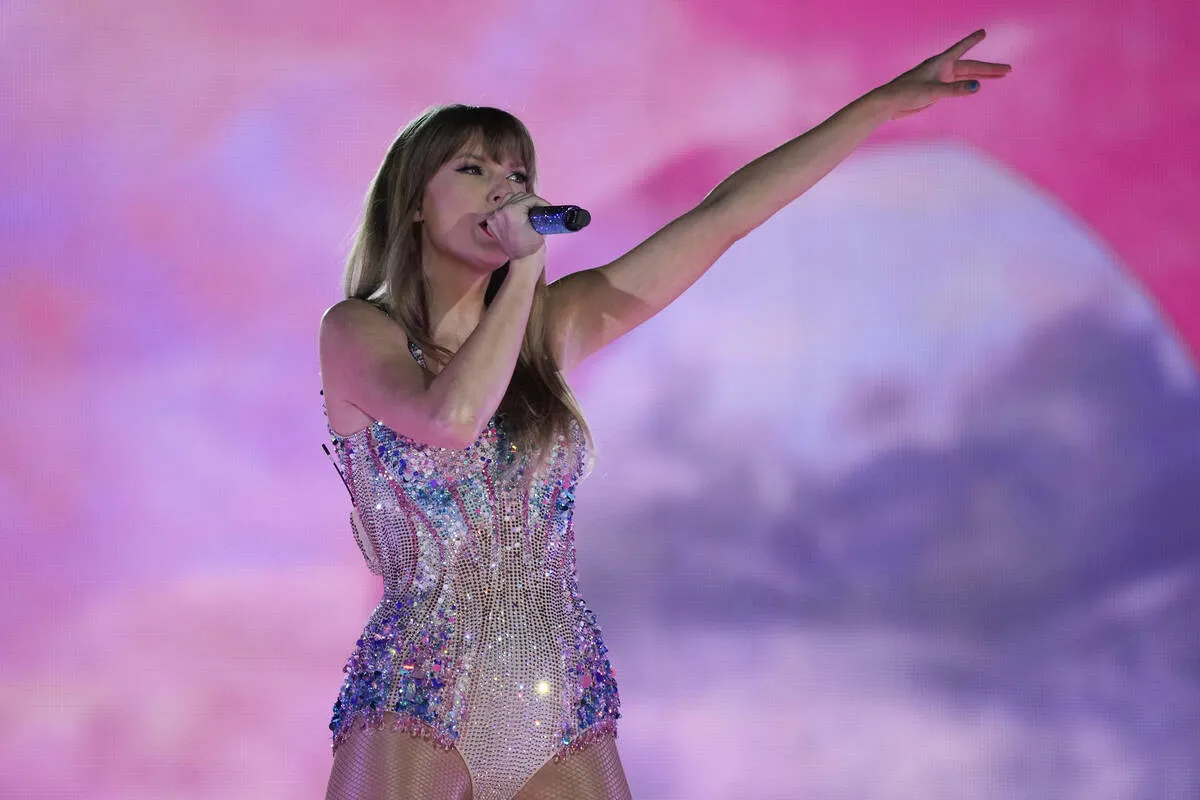 Photo: Taylor Swift, via www.reviewjournal.com
But Swift's operation looks almost charitable compared to some of her peers. K-pop groups regularly charge $300-600 for "hi-touch" events where you get approximately three seconds of contact with your idol. BTS fans have paid upwards of $1,000 for video calls that last under a minute.
"It's emotional manipulation disguised as exclusivity," says Dr. Sarah Chen, who studies parasocial relationships at UCLA. "These packages prey on fans' deepest desire — to feel seen and acknowledged by someone they idolize. But what they're actually buying is a manufactured moment designed to feel personal while being completely transactional."
The Subscription Trap
If one-time payments were the gateway drug, subscription services are the full-blown addiction. Celebrities have discovered they can monetize fan devotion monthly through exclusive apps, premium social media tiers, and "member-only" content platforms.
Ariana Grande's "r.e.m. beauty" loyalty program charges fans $9.99 monthly for early product access and "exclusive content." Rihanna's Fenty Beauty "VIP" tier costs $19.99 monthly for the privilege of buying limited-edition products before they sell out to regular customers.
The genius here is psychological: fans aren't just buying products anymore, they're buying status within the fandom hierarchy. Miss a month of payments? You're back to peasant-level access while the "real fans" get first dibs on everything.
The Artificial Scarcity Engine
Perhaps the most insidious tactic is manufactured scarcity. Limited-edition merchandise drops, numbered collectibles, and "exclusive" items that will "never be available again" — until the next drop three months later.
Travis Scott's McDonald's collaboration generated $20 million in merchandise sales by creating artificial urgency around $90 hoodies and $35 chicken nugget-shaped pillows. The items weren't rare because they were special — they were special because they were artificially rare.
Olivia Rodrigo's recent strategy exemplifies this approach: releasing multiple vinyl variants of the same album, each with slightly different artwork or colored pressing. Hardcore fans feel compelled to buy all versions to maintain their collector status, turning a $25 album purchase into a $150+ investment.
The Parasocial Payday
Social media has weaponized intimacy in ways that would make a casino blush. Celebrities now sell the illusion of personal connection through paid live streams, exclusive behind-the-scenes content, and "intimate" video messages that feel personal but are sent to thousands of paying subscribers.
Cameo pioneered this model, but celebrities quickly realized they could cut out the middleman. Many now offer direct "video message" services through their own platforms, charging $50-500 for generic birthday wishes that mention your name.
"The parasocial relationship has become a business model," explains media psychologist Dr. Pamela Rutledge. "Fans are paying for the feeling of connection, but what they're getting is a product designed to simulate intimacy while maintaining complete emotional distance."
The Stan Economy Pyramid Scheme
The most successful celebrity money-making operations now function like multilevel marketing schemes, with super-fans recruited as unpaid brand ambassadors who promote exclusive drops to their networks in exchange for early access or minor perks.
Swifties who spend thousands on merchandise get invited to "secret sessions" where they promote upcoming releases to their social media followers. K-pop fans organize group purchases of albums to boost chart positions, with the biggest spenders earning "recognition" from fan accounts affiliated with the artists' labels.
These fans aren't just customers — they're an unpaid sales force, generating buzz and driving purchases from their social circles while paying for the privilege of doing so.
The Mental Health Cost
Beyond the financial drain, this monetized fandom culture takes a serious psychological toll. Fans report feeling anxious about missing drops, guilty about not being able to afford premium experiences, and competitive with other fans over who can prove their devotion through spending.
"I've spent over $3,000 on Harry Styles merchandise this year," admits 22-year-old college student Maya Rodriguez. "I know it's too much, but I'm afraid if I don't keep up, I'll miss something important or won't be seen as a 'real fan' in the community."
The fear of missing out isn't accidental — it's engineered. Limited-time offers, countdown timers, and "while supplies last" warnings create artificial urgency that bypasses rational decision-making and targets pure emotional response.
The Celebrity Perspective
To be fair, many celebrities claim they're simply giving fans what they want. And there's truth to that — the demand for exclusive access and personalized experiences is real and growing.
But there's a difference between meeting demand and manufacturing it. When celebrities hire teams specifically to maximize fan spending through psychological manipulation tactics borrowed from gambling and addiction research, they've crossed from service into exploitation.
Fighting Back Against the Loyalty Tax
So what can fans do? First, recognize that your worth as a supporter isn't measured by your spending. True appreciation doesn't require premium packages or exclusive access — it's about genuine enjoyment of the art and artist.
Set spending limits before emotional manipulation kicks in. If you wouldn't pay that much for a similar experience with a non-celebrity, don't pay it for your idol either.
Most importantly, remember that healthy fandom enhances your life rather than draining your bank account. If supporting your favorite celebrity is causing financial stress or emotional anxiety, it's time to step back and reassess.
The loyalty tax is optional, even when it doesn't feel that way. Your favorite star will survive without your $500 meet-and-greet fee — and so will your genuine appreciation for their work.