
In 2005, Fiona Apple fans got the shock of their lives when her third album leaked online in its entirety. The problem? Sony had shelved the record a year earlier, deeming it "uncommercial." What followed was one of the most unprecedented fan campaigns in music history, with supporters literally chanting "Free Fiona" outside Sony's headquarters until the label finally agreed to release what became Extraordinary Machine.
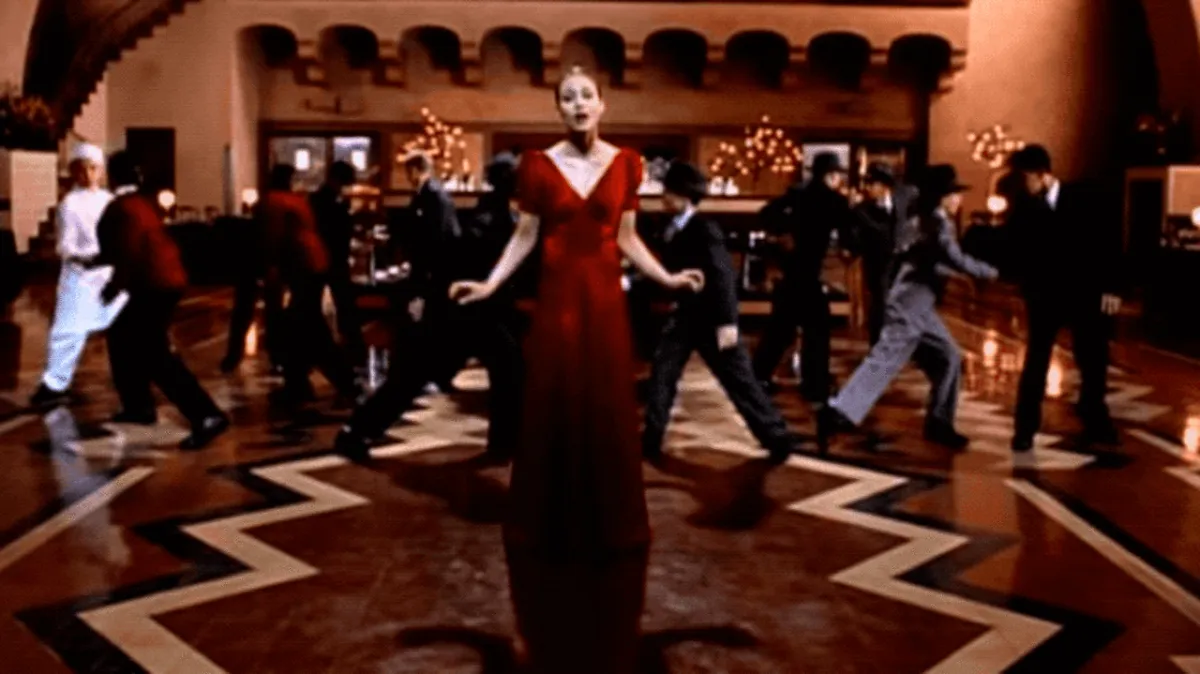 Photo: Fiona Apple, via images.fastcompany.net
But Apple was lucky — her album eventually saw daylight. For every rescued record, there are dozens more gathering digital dust in label vaults, victims of corporate politics, creative differences, or simple bad timing. Welcome to music's most exclusive club: albums so legendary that their absence has become part of pop culture mythology.
The Business of Burial
The economics behind shelving a completed album are brutal but simple. Labels routinely spend $500,000 to $2 million producing a record, only to write it off entirely if they don't believe it'll recoup costs. Sometimes it's about timing — an album that feels perfect in the studio can feel dated by the time it reaches marketing departments months later.
"I've seen labels shelve albums because the lead single tested poorly with focus groups," reveals one A&R executive who spoke anonymously. "It doesn't matter if the other ten tracks are brilliant. If that first impression doesn't hit, the whole project can disappear overnight."
Other times, it's about image management. When an artist's public persona shifts dramatically — through scandal, creative evolution, or simple market changes — labels panic about how to position work that no longer fits their carefully crafted narrative.
The Janet Files
Perhaps no artist has more legendary vault material than Janet Jackson. Industry insiders whisper about at least three complete albums that never saw release, including a rumored collaboration-heavy project recorded after The Velvet Rope that featured everyone from Prince to Lauryn Hill.
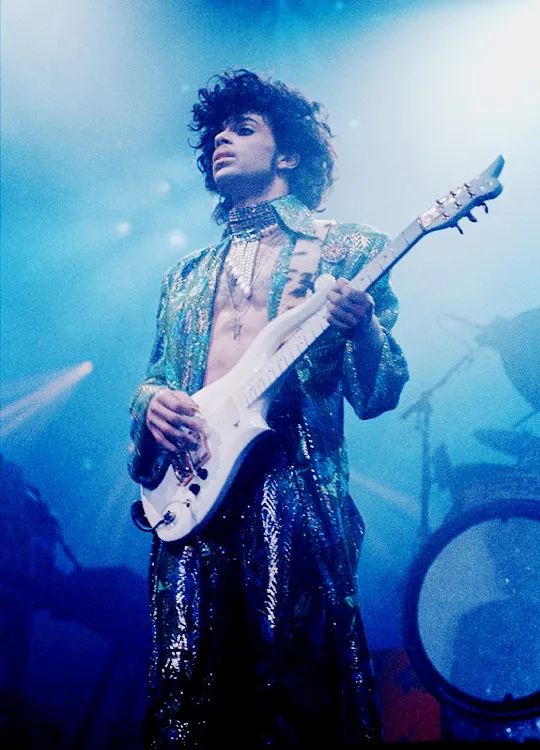 Photo: Prince, via 64.media.tumblr.com
 Photo: Janet Jackson, via images.squarespace-cdn.com
The most talked-about phantom Janet album allegedly came together in 2004, right before the Super Bowl halftime controversy derailed her career momentum. Sources close to the sessions describe a deeply personal record that dealt with family trauma and industry pressures — exactly the kind of raw honesty that might have felt too risky for Viacom-owned CBS Records to release in the aftermath of "Nipplegate."
"She had this whole album ready to go," claims one former label insider. "It was supposed to be her Confessions on a Dance Floor moment, but then everything changed overnight. The label got cold feet about anything that might seem controversial."
Janet herself has remained diplomatically silent about her unreleased work, though she's hinted in interviews about having "enough material for several albums" in her personal archives.
The Hip-Hop Holy Grail
Rap music's vault culture runs particularly deep, with entire albums becoming the stuff of legend among collectors and fans. Jay-Z's The Black Album was famously supposed to be his retirement record — but few know about the completely different version he recorded first, reportedly featuring more introspective tracks and fewer radio-friendly anthems.
The most mythical unreleased hip-hop album might be Nas's lost collaboration with producer Pete Rock, recorded sometime in the late '90s but never released due to sample clearance issues and label politics. Bootleg snippets have circulated for decades, with fans treating each leaked track like archaeological treasure.
"There's this whole underground economy around unreleased rap albums," notes music journalist Jeff Weiss. "Collectors will pay thousands for studio-quality leaks of albums that officially don't exist. It's like a black market for creativity."
The Pop Casualties
Pop music's perfectionist culture creates its own graveyard of abandoned projects. Britney Spears' Original Doll — a more experimental follow-up to In the Zone — was scrapped in favor of the more commercial Blackout. Christina Aguilera's rumored jazz standards album, recorded during her Back to Basics era, never materialized despite reports of completed sessions with legendary musicians.
More recently, Lady Gaga's ARTPOP Act II became fan legend after she hinted at a companion album that would never come. The project allegedly featured collaborations with Azealia Banks and other experimental artists, but creative differences and commercial pressures killed it before completion.
"Pop labels are terrified of alienating the fanbase they've spent millions cultivating," explains music industry analyst Mark Mulligan. "So when an artist wants to experiment or evolve, there's this constant tension between artistic growth and commercial safety."
The Rock Rebels
Rock artists have their own complicated relationship with unreleased material. Neil Young famously has enough vault recordings to release posthumous albums for decades, but his refusal to compromise artistic vision has led to numerous shelved projects over the years.
Prince, of course, elevated unreleased material to an art form. His Paisley Park vault reportedly contained thousands of songs, with complete albums recorded and abandoned based on his ever-changing creative whims. The ongoing release of his vault material has revealed just how prolific — and how particular — he really was.
More recently, Jack White's Third Man Records has made a business model out of rescuing abandoned projects, releasing everything from forgotten Detroit garage rock albums to unreleased country sessions. But for every rescued record, industry insiders estimate dozens more remain locked away.
The Streaming Era Paradox
You'd think the low-cost, instant-release nature of streaming platforms would eliminate the shelved album problem, but it's actually created new complications. Artists can release music instantly, but they're also under constant pressure to maintain algorithmic momentum and playlist placement.
"Now you have artists recording full albums but releasing them as a series of singles because that's what the streaming economy rewards," notes digital music strategist Cherie Hu. "The 'album' as a complete artistic statement is becoming almost quaint."
Some artists have found creative ways around label restrictions in the streaming era. Frank Ocean famously fulfilled his Def Jam contract with the visual album Endless, then immediately released Blonde independently. But not every artist has Ocean's leverage or legal savvy.
The Leak Culture
Fan communities have become increasingly sophisticated at hunting down unreleased material. Trading forums, private Discord servers, and encrypted file-sharing networks have created a parallel music ecosystem where abandoned albums live on through bootlegs and leaks.
"There are people who've built entire identities around collecting unreleased music," observes one longtime trader who goes by the handle VaultKeeper. "We're not just fans — we're archivists preserving music history that the industry wants to forget."
Some artists have embraced leak culture, with Radiohead famously releasing 18 hours of OK Computer session material after hackers tried to ransom it back to them. Others, like Taylor Swift, have turned vault releases into major commercial events, proving there's real value in that abandoned material.
The Human Cost
Behind every shelved album is an artist who poured months or years of creative energy into work that may never be heard. The psychological impact can be devastating, particularly for newer artists who don't have the industry clout to fight label decisions.
"I know artists who've never fully recovered from having their passion projects killed," admits one veteran producer. "You spend two years perfecting something you believe in, then some executive decides it doesn't fit the quarterly projections. It's soul-crushing."
Some artists have found ways to channel that frustration into future work — Fiona Apple's experience with Extraordinary Machine clearly influenced her approach to subsequent albums, giving her more control over the creative process.
The Future of the Vault
As the music industry continues evolving, the fate of unreleased material remains uncertain. Some labels are exploring "vault subscription" services, where fans can access rare and unreleased tracks for premium fees. Others are using AI to analyze shelved material and identify tracks with commercial potential.
But perhaps the most interesting development is artists taking control of their own archives. From Taylor Swift's re-recording project to Prince's estate methodically releasing vault material, there's a growing recognition that unreleased music isn't just a commercial asset — it's cultural heritage that deserves preservation.
Until then, music fans will keep trading whispered rumors about the albums that might have been, building mythology around the music they'll never hear, and occasionally getting lucky when an artist or label decides to crack open the vault and let a little light in.
After all, sometimes the music that doesn't get released tells us just as much about the industry — and the artists — as the songs that do.