The Same Faces, Different Capes
Walk into any multiplex and you'll notice something strange: the same actors keep popping up in every major franchise, like a Hollywood game of Where's Waldo that nobody asked for. Chris Evans went from Captain America to voicing Buzz Lightyear. Ryan Reynolds bounced from Green Lantern to Deadpool to Free Guy. Margot Robbie somehow became both Harley Quinn and Barbie. The pattern is so obvious it's become a meme — and yet studios keep doubling down on this casting carousel like it's the only ride in the theme park.
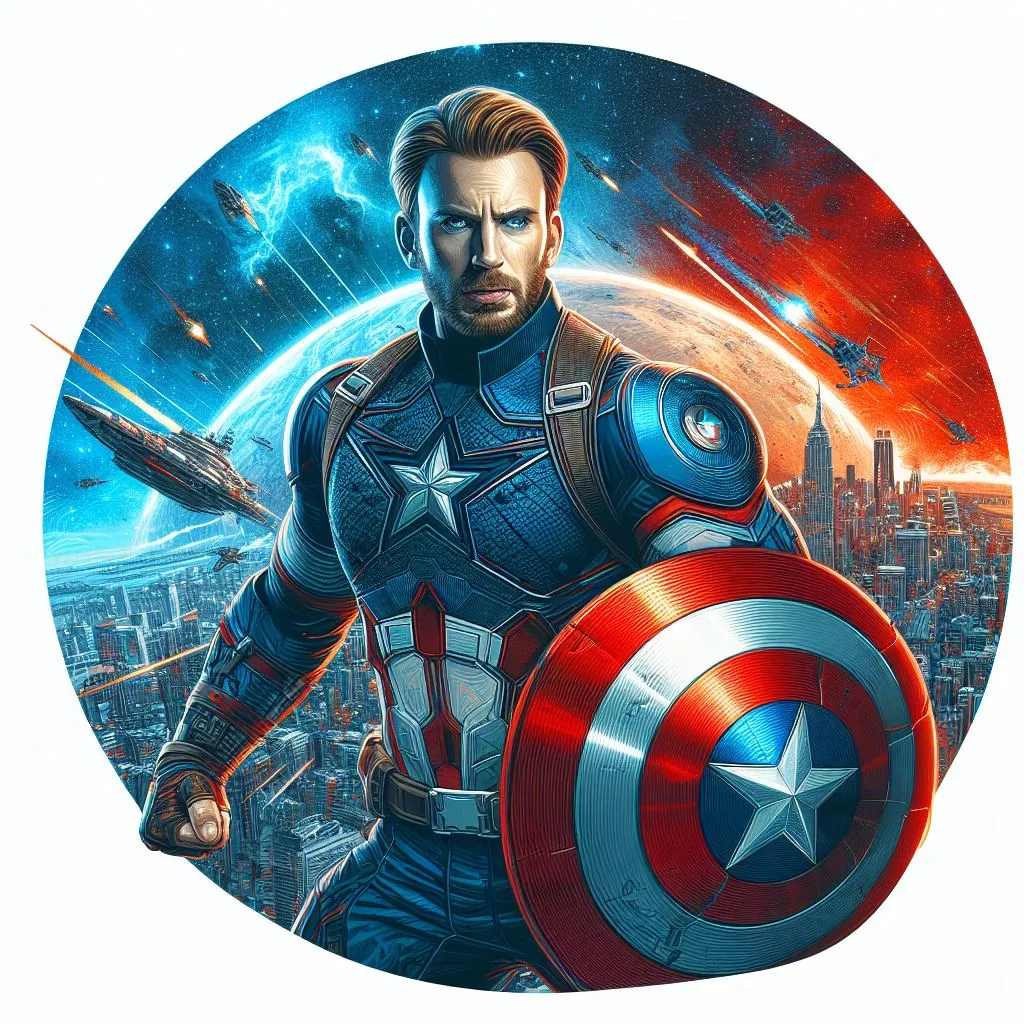 Photo: Chris Evans, via marvelism.com
This isn't just about star power anymore. It's about an industry so terrified of risk that they'd rather pay premium prices for recognizable faces than take a chance on fresh talent that might actually surprise audiences.
The Safe Bet Syndrome
The math seems simple on the surface: familiar faces equal familiar box office returns. But dig deeper and the logic starts to crack. When was the last time you walked into a Marvel movie specifically because Chris Hemsworth was in it, versus walking in because it was a Marvel movie? The brand has become bigger than the star, yet Hollywood keeps acting like it's 1995.
"Studios have become addicted to perceived safety," says one former studio executive who requested anonymity. "They'd rather overpay for someone who's already proven they won't tank a $200 million movie than take a risk on someone who might be the next big thing."
The result? A feedback loop where the same actors keep getting cast because they've been cast before. It's Hollywood's version of requiring five years of experience for an entry-level job.
The Franchise Trap
The real kicker is how this system traps both studios and actors in a cycle of diminishing returns. Take Chris Evans, who spent nearly a decade as Captain America before publicly expressing his desire to move away from franchise filmmaking. Or Robert Downey Jr., who became so synonymous with Tony Stark that his non-Marvel projects started feeling like expensive side quests.
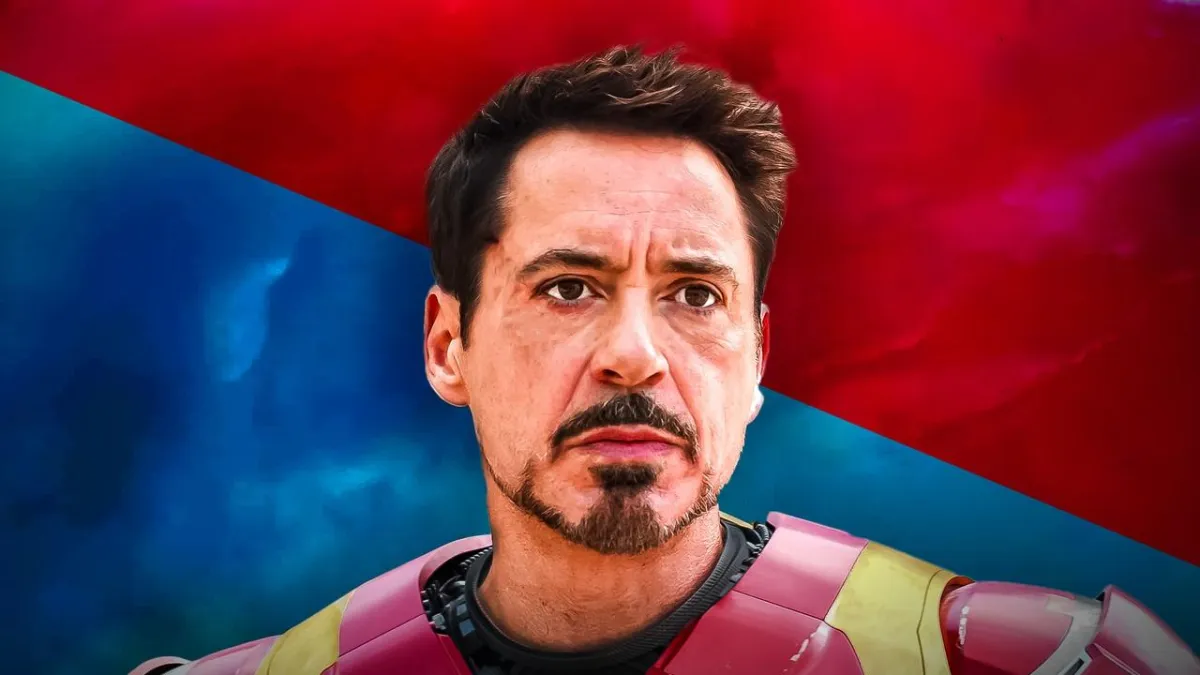 Photo: Robert Downey Jr., via images.thedirect.com
Meanwhile, actors like John Boyega and Oscar Isaac have spoken openly about feeling sidelined in major franchises despite their obvious talent. The industry's obsession with "bankable" stars means that diverse talent often gets relegated to supporting roles, even when they're clearly leading-actor material.
The Economics of Familiarity
Here's where it gets interesting: the data doesn't actually support Hollywood's safe-bet strategy. Some of the biggest breakout hits of recent years — from "Everything Everywhere All at Once" to "Top Gun: Maverick" — succeeded because of strong storytelling, not just star power. Meanwhile, expensive franchise entries with A-list casts have been bombing left and right.
"The Rock" Dwayne Johnson, despite being one of Hollywood's most bankable stars, has seen diminishing returns with each franchise entry. His "Black Adam" flopped despite massive marketing spend and his proven track record. Similarly, Will Smith's "Gemini Man" and Ryan Reynolds' "6 Underground" proved that star power alone can't save a mediocre concept.
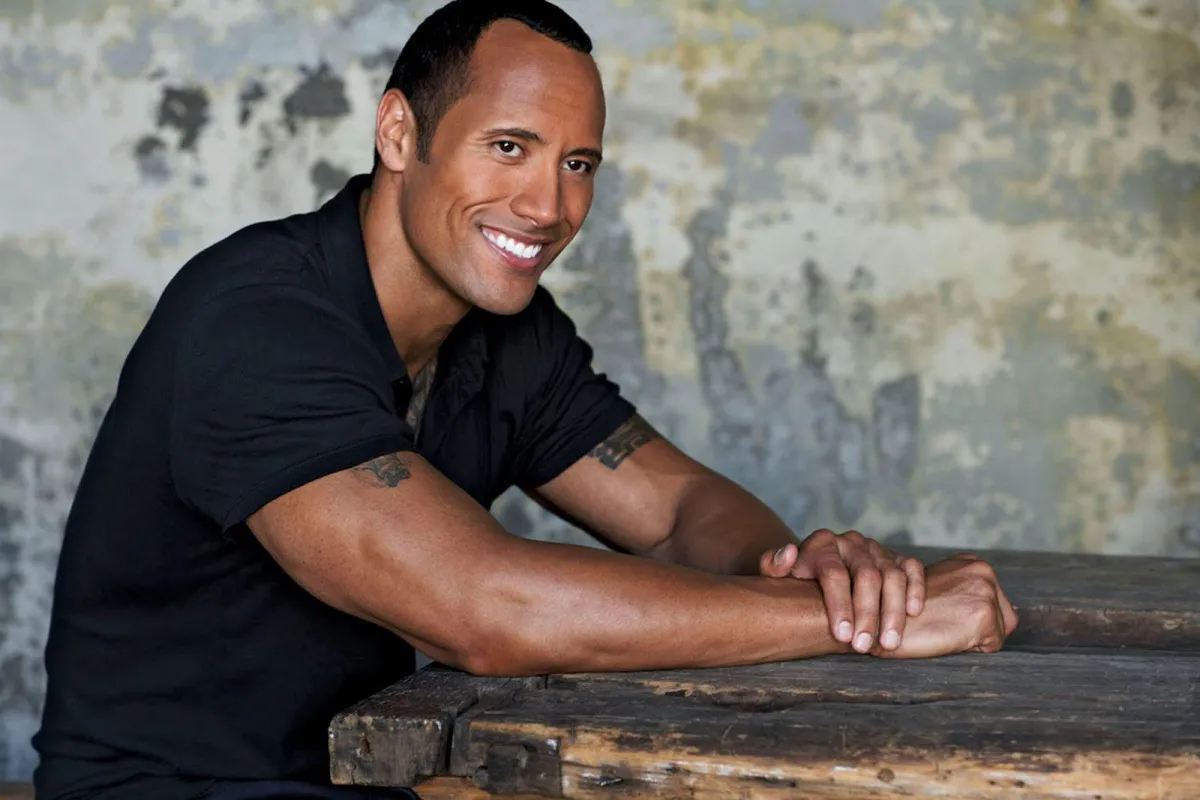 Photo: Dwayne Johnson, via cdn.britannica.com
The Streaming Shuffle
Streaming has complicated this dynamic even further. Platforms like Netflix and Amazon are willing to pay astronomical fees for recognizable names to anchor their original content, creating a bidding war that's inflated actor salaries while potentially limiting creative risk-taking.
Ryan Reynolds reportedly earned $27 million for "6 Underground," a Netflix original that came and went without much cultural impact. That's more than some entire indie films' budgets — money that could have been used to develop new talent or take creative risks.
The Diversity Deficit
Perhaps most frustratingly, this casting carousel has created a diversity bottleneck at the exact moment when audiences are demanding more representation. When studios only trust a handful of proven commodities, it becomes nearly impossible for actors from underrepresented backgrounds to break into the top tier.
Actors like John Cho, Lupita Nyong'o, and Brian Cox have the talent and charisma to anchor major franchises, but they're often passed over for "safer" choices. The result is a self-perpetuating system where lack of opportunity gets mistaken for lack of audience interest.
Breaking the Cycle
Some studios are starting to recognize the problem. Marvel's decision to cast relatively unknown actors like Tom Holland and Brie Larson in major roles paid off handsomely. "Shang-Chi" proved that audiences will show up for fresh faces when the story is compelling.
But these success stories remain outliers in an industry still dominated by sequel thinking. Until studios start measuring success beyond opening weekend numbers and start considering the long-term costs of creative stagnation, we'll likely keep seeing the same faces in different costumes.
The Real Cost
The casting carousel isn't just limiting opportunities for new talent — it's making Hollywood's output increasingly predictable and stale. When every blockbuster feels like a reunion special for the same group of actors, audiences start to tune out.
Maybe it's time for Hollywood to realize that the biggest risk isn't casting an unknown actor in a major role — it's continuing to recycle the same faces until audiences get bored enough to find their entertainment elsewhere.